Startling new data has revealed a dense concentration of licensed firearms in Sydney's suburban areas, prompting an urgent national review of gun laws in the wake of the Bondi Beach terrorist attack that claimed 15 lives.
Metropolitan Firearm Hotspots Exposed
An analysis of the NSW firearms registry shows that approximately one third of the state's estimated one million registered firearms are located within major cities. The local government areas of Penrith, Hawkesbury, Canterbury-Bankstown, and Blacktown hold the highest numbers in Sydney, correlating with some of the most populous regions in New South Wales.
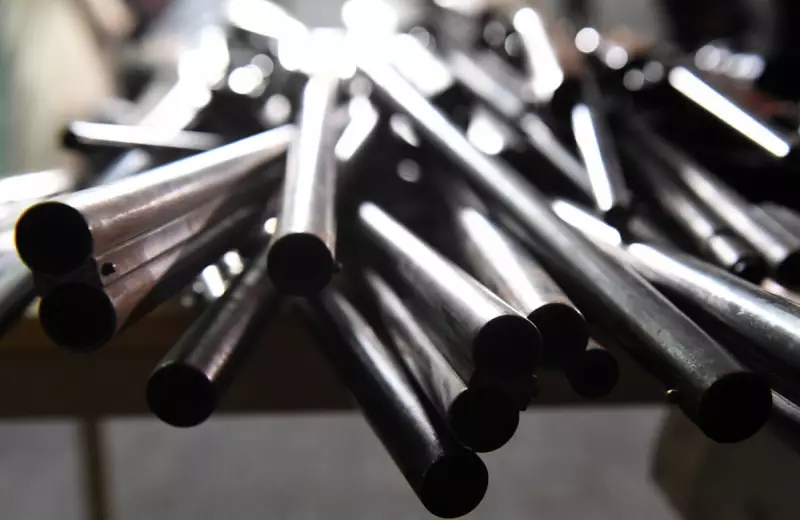
Perhaps more concerning is the concentration of ownership. The top 100 firearm licence-holders in NSW collectively own more than 13,000 weapons. Alarmingly, six of the state's top ten individual gun owners reside in suburban Sydney, with some licences linked to nearly 300 firearms each. Authorities confirm these individuals are not registered collectors or dealers.

Political Pledge for Tighter Controls
The revelations follow Sunday's devastating attack at the Chanukah by the Sea event, where a 50-year-old licensed gunman, Sajid Akram, and his 24-year-old son, Naveed, killed 15 people, including a 10-year-old girl. Police confirmed Akram senior held a 'category A/B' licence and legally owned six weapons, which were used in the assault.
In response, NSW Premier Chris Minns has pledged a comprehensive review of the state's firearm legislation. "The short answer is yes," Minns stated when asked if laws needed changing. "It means introducing a bill to parliament to... make it more difficult to get these horrifying weapons that have no practical use in our community."
Minns questioned why individuals not involved in primary industries like farming needed access to such powerful weapons, which he said endanger the public and complicate police work.
National Cabinet Agrees on Firearms Agreement Reform
On Tuesday evening, Prime Minister Anthony Albanese announced that national cabinet had resolved to take "strong, decisive and focused action" on gun law reform. This includes renegotiating the National Firearms Agreement (NFA), first established after the 1996 Port Arthur massacre that killed 35 people.
Potential reforms under consideration include:
- Limiting the number of firearms one person can own.
- Restricting firearm licences to Australian citizens only.
- Ending open-ended firearms licensing in favour of time-limited permits.
- Reassessing 'genuine reasons' for ownership, potentially removing recreational hunting.
The Greens are pushing for a strict three-gun limit per licence holder and a ban on high-powered hunting rifles. However, any crackdown is expected to face fierce resistance from gun lobby groups in NSW.
System Failures and Intelligence Gaps
The case has exposed critical gaps in the system. It was disclosed that the younger alleged attacker, Naveed Akram, had come to the attention of the Australian Security Intelligence Organisation (ASIO) in October 2019 due to associations with persons of interest. However, ASIO assessed he posed no ongoing threat. It remains unclear if this intelligence was shared with the NSW firearms registry or affected his father's gun licence.
Greens NSW justice spokesperson Sue Higginson labelled the situation "unfathomable," stating, "That is a system that is not working and it needs fixing." She described the gun concentration in Sydney's outer suburbs as "frightening."
Furthermore, the slow progress on a promised national firearm register, first recommended after Port Arthur, has drawn sharp criticism. Australian Federal Police Association president Alex Caruana argued that a robust, real-time national database accessible to agencies like ASIO might have allowed for a dynamic risk assessment of the Akrams.
As the community mourns, the political focus has sharpened on closing loopholes, limiting firearm access, and finally delivering on the long-promised national register to prevent future tragedies.