Supreme Court Rules Trump's Global Tariffs Illegal, Democrats Hail Victory
The US Supreme Court has delivered a landmark ruling, declaring that former President Donald Trump overstepped his legal authority by imposing sweeping tariffs on global imports. In a 6-3 decision, the court found that Trump's use of a 1977 emergency powers law did not justify most of the administration's aggressive tariff measures, marking a significant blow to one of his most assertive claims of executive power.
Democratic Leaders Celebrate Ruling as Win for Consumers
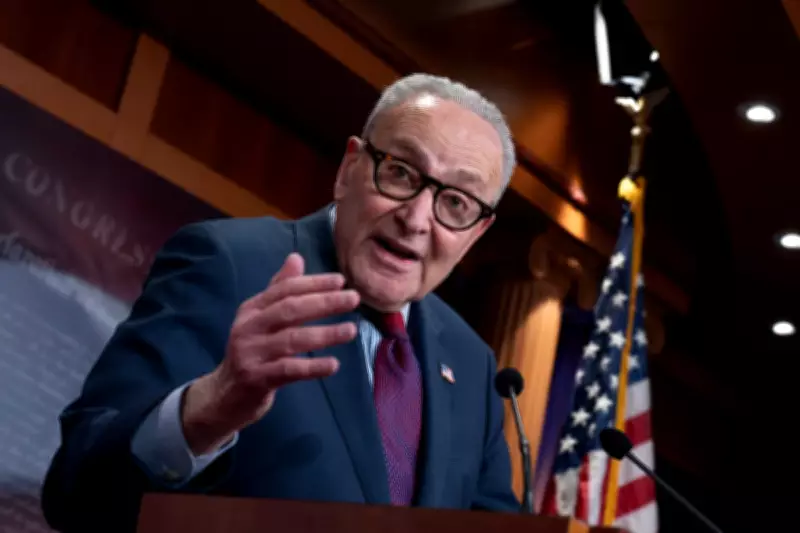
Senate Minority Leader Chuck Schumer framed the ruling as a triumph for "American consumers" and a clear example of how Trump's "overreach failed." He emphasized, "We've said from day one: a president cannot ignore Congress and unilaterally slap tariffs on Americans. Now Trump should end this reckless trade war for good and finally give families and small businesses the relief they deserve."
House Democratic Whip Katherine Clark of Massachusetts echoed this sentiment, calling the decision "a win for the American people," and criticizing Trump's tariffs as an illegal tax that hiked costs on essentials like groceries and utility bills. She affirmed that Democrats will continue fighting to make life more affordable.

Constitutional Clash Over Taxing Power
The ruling centers on a foundational constitutional question: who controls the power to tax? Typically, tariffs require congressional approval, but Trump argued he could bypass this using the International Emergency Economic Powers Act (IEEPA), which allows presidents to regulate international transactions during declared national emergencies. Chief Justice John Roberts, speaking for the majority, countered that "the vehicle is the imposition of taxes on Americans, and that has always been a core power of Congress."
Republican Reactions and Broader Implications
Trump responded defiantly, reportedly calling the ruling a "disgrace" during a White House breakfast with governors, though he offered no details on a backup plan. Some Republicans, like Kentucky Senator Rand Paul, viewed the decision as a safeguard against future executive overreach, warning it could prevent any president from unilaterally enacting sweeping economic policies. Virginia Representative Morgan Griffith struck a more conciliatory tone, suggesting Congress could work with Trump on trade reforms.
Impact on Economically Vulnerable Districts
Democrats from trade-dependent districts welcomed the ruling. Representative Henry Cuellar of Texas, whose district relies on cross-border trade, noted it reaffirms congressional authority over tariffs, while Nevada Representative Susie Lee highlighted how tariffs had damaged southern Nevada's tourism economy. However, New Hampshire Senator Maggie Hassan cautioned that the ruling cannot undo the economic damage already inflicted.
A Message on Executive Limits
New York Representative Tom Suozzi emphasized the broader message of the ruling: "It is a clear message that the president cannot act unilaterally and must negotiate and try and find common ground with the co-equal branch of government: the Congress." This decision underscores ongoing tensions between executive authority and legislative oversight in US politics.