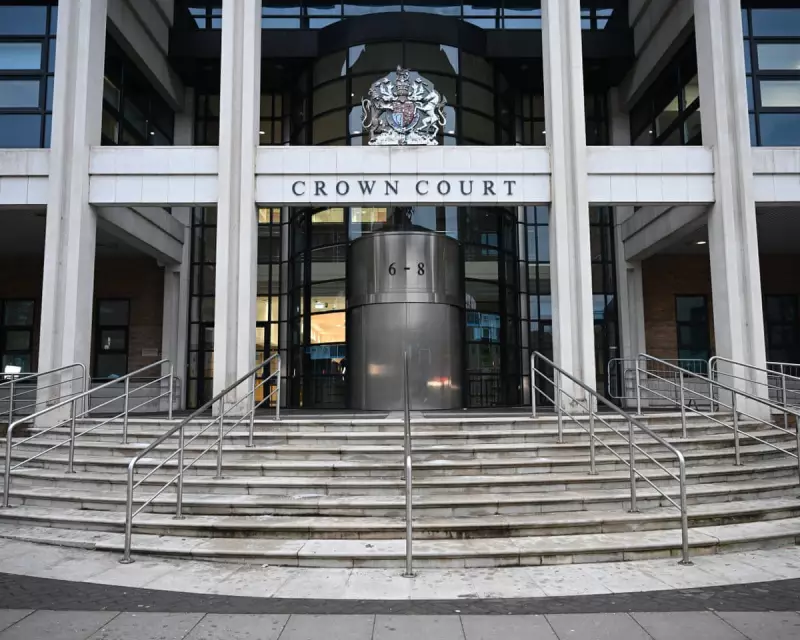
Prosecutions for non-fatal strangulation and suffocation have skyrocketed in England and Wales, with charges increasing almost sixfold in the three years since specific legislation was introduced. Data from the Crown Prosecution Service (CPS) highlights the profound impact of the new law, which was brought in to close a dangerous gap in legal protections, particularly for victims of domestic abuse.
A Legal Shift Recognising Grave Harm
The offence was created under the Domestic Abuse Act 2022, granting courts significantly greater sentencing powers. Previously, unless a case was severe enough to be charged as grievous bodily harm or attempted murder, perpetrators often faced only a common assault charge, carrying a maximum of six months in prison. The new law allows for a sentence of up to five years' imprisonment.
Kate Brown, the CPS's lead prosecutor for domestic abuse, stated the legislation marked "a significant shift in recognising the serious nature of the offence." She explained that prior options "didn't really hit the mark," as strangulation is a terrifying and high-risk act where victims genuinely believe they may die.

Explosive Rise in Charges and Prosecutions
The CPS figures show a dramatic upward trajectory. Charges rose from 1,483 in 2022–23 to 8,545 in 2024–25. In just the first quarter of the current financial year (2025–26), a further 2,656 charges were recorded, indicating the total is likely to climb again.
The increase has been stark across regions:
- In London, charges rose by over 550%, from 140 to 919.
- In north-west England, numbers jumped from 238 to 1,104.
- In Yorkshire and Humberside, 989 people were charged, compared to 179 three years prior.
Brown attributes the rise to prosecutors making greater use of the legislation, improved police identification of the crime, and potentially more victims feeling empowered to come forward.
A High-Harm Offence Within a Pattern of Abuse
The CPS emphasises that strangulation is rarely an isolated incident. It is frequently charged alongside other offences like coercive control, sexual assault, or image-based abuse, with 90% of strangulation cases occurring in a domestic abuse context. The CPS is training prosecutors to recognise these "layers of abuse."
Recent cases underscore the law's use. In September, Michael Cosgrove of Greater Manchester was jailed for 20 years for attempted murder and intentional strangulation. In a separate case, Sean Duffin was sentenced to 12 years for rape, sexual assault, and strangulation.
Brown stressed the gravity of the act: "It's a complete exploitation of power. You have somebody's life in your hands, and that could ultimately lead to a murder." She also warned that the offence is finding its way into sexual relationships among young people, clarifying that consent is not a legal defence for strangulation or suffocation.
Solicitor General Ellie Reeves reinforced the government's commitment, stating: "This government is committed to halving violence against women and girls... Prosecutors play a vital role in taking down the perpetrators of strangulation." The CPS continues to urge victims to report these crimes, assuring that a lack of visible physical injury will not deter a prosecution where evidence exists.