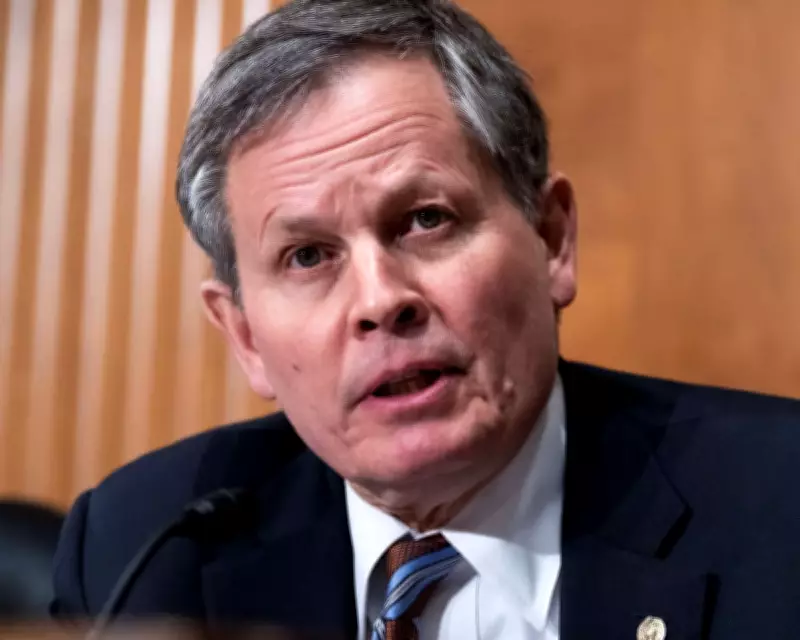
Montana Senator Steve Daines Abruptly Ends Re-election Campaign
In a surprising political development, Republican US Senator Steve Daines of Montana announced his withdrawal from the upcoming Senate re-election race, just minutes before the official filing deadline on Wednesday. Daines, a close ally of former President Donald Trump, confirmed his decision in a formal statement, marking a significant shift in the state's electoral landscape.
Last-Minute Withdrawal and Statement
Daines submitted his resignation from the race shortly before the deadline with the Montana secretary of state's office, ending his bid for a third term. In his statement, he expressed, "After wrestling with this decision for months, I have decided I will not seek re-election. It is time for new leaders like Tim Sheehy to spearhead the fight for Montana in the United States Senate." This move underscores internal party dynamics and a push for fresh faces in leadership roles.
Immediate Political Fallout and New Entrants
Following Daines' withdrawal, the race saw rapid changes. Republican Kurt Alme, the US attorney for Montana, entered the contest just before the deadline, adding to the Republican field. Simultaneously, former University of Montana president Seth Bodnar launched an independent campaign for the Senate seat, highlighting the fragmented political environment in the state.

Democratic Challenges and Broader Context
Democrats in Montana face an uphill battle, as evidenced by their diminished influence. With no well-known Democratic candidates entering the Senate race and the party controlling no statewide offices after the 2024 defeat of Senator Jon Tester, their prospects appear limited. Bodnar's independent run further complicates the electoral dynamics, potentially splitting votes and reshaping traditional party alignments.
National Implications and Senate Balance
Daines' departure comes at a critical time for Republicans, who hold a slim majority in the Senate with 53 seats compared to Democrats' 45 and two independents. As a former business executive and key Trump supporter, his exit could impact party strategy and resource allocation in the upcoming elections, with Montana now becoming a focal point for both parties seeking to gain or maintain control.
The unfolding scenario in Montana reflects broader trends in US politics, where incumbents are increasingly facing pressure from within their own ranks and independent candidates are gaining traction. The race will be closely watched as a bellwether for the November elections and the future direction of Senate leadership.