Introduction
Keir Starmer's speech and press conference on Monday morning were widely described as his final opportunity to rescue his premiership. The address, delivered at the Coin Street community centre in London, was met with intense scrutiny from Labour MPs and political commentators alike. This analysis examines the key points of his speech and whether it was sufficient to quell mounting speculation about a leadership challenge.
1. 'The British people are tired of a status quo that has failed them. Change cannot come quickly enough'
This line could have been taken from any Starmer speech over the past year. However, many Labour MPs were hoping for new and substantial policy proposals to back up such rhetoric. Unfortunately, the speech lacked fresh policy offerings. The only announcements were either not new—such as a youth experience scheme as part of a reset with the EU—or already effectively in place, like the nationalisation of British Steel. To appease sceptics within the party, Starmer would have needed a significant surprise, but he failed to deliver one.
2. 'I'm not going to walk away'
When asked directly if he would fight any leadership challenge, Starmer affirmed his commitment. He argued that removing him would be damaging to both Labour and the country, stating, 'I take responsibility for not walking away, not plunging our country into chaos as the Tories did time and again.' While many Labour MPs understand and sympathise with this argument, some feel that after such poor election results, even a risky change might be preferable to maintaining the status quo.

3. The decision would be one for the NEC
Regarding whether Andy Burnham could leave his mayoral role to seek a Westminster seat and potentially challenge Starmer, the prime minister deferred to the party's national executive committee (NEC). This echoes the stance taken earlier this year when Burnham was blocked from contesting a by-election, a seat Labour subsequently lost. Burnham's allies among Labour MPs are likely to be frustrated by this response.
4. 'Stories beat spreadsheets. People need hope'
Starmer attempted to show a more emotional side, but his natural tendency toward robotic delivery remains a challenge. While his speech was better than many, the lengthy Q&A session reverted to the detail-heavy style he is known for. Notably, the introductory speech by MP Jade Botterill conveyed more genuine emotion in three minutes than Starmer did in nearly 20.
5. 'What I want to do is take a big leap forward with the EU-UK summit this year'
Starmer openly acknowledged that Brexit had left the UK poorer and less secure—a statement that would have been politically risky not long ago. However, beyond already-announced policies like the youth experience scheme, it remains unclear what concrete steps he will take. When asked about shifting his 'red lines' on EU single market and customs union membership, his answer was vague but suggested no change.
6. 'If we don't get this right, our country will go down a very dark path'
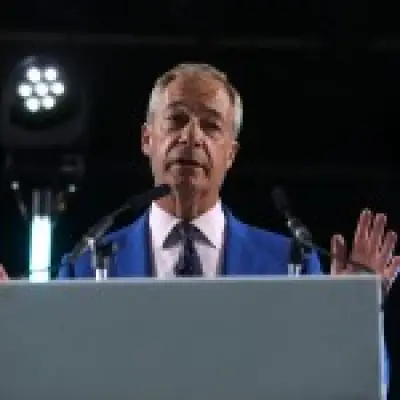
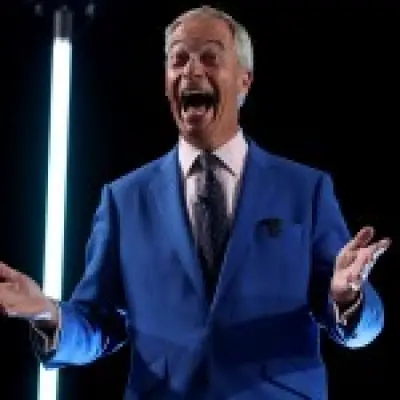
Starmer warned that continued Labour missteps could lead to a Nigel Farage-led Reform government. He used this to argue against a leadership change, stating, 'We are not just facing dangerous times, but dangerous opponents, very dangerous opponents.' However, some MPs may interpret this warning as a reason to seek a new leader.
Overall, Starmer's speech offered passion and determination but lacked the substantial policy shifts needed to satisfy critics. Whether it will be enough to save his premiership remains uncertain.