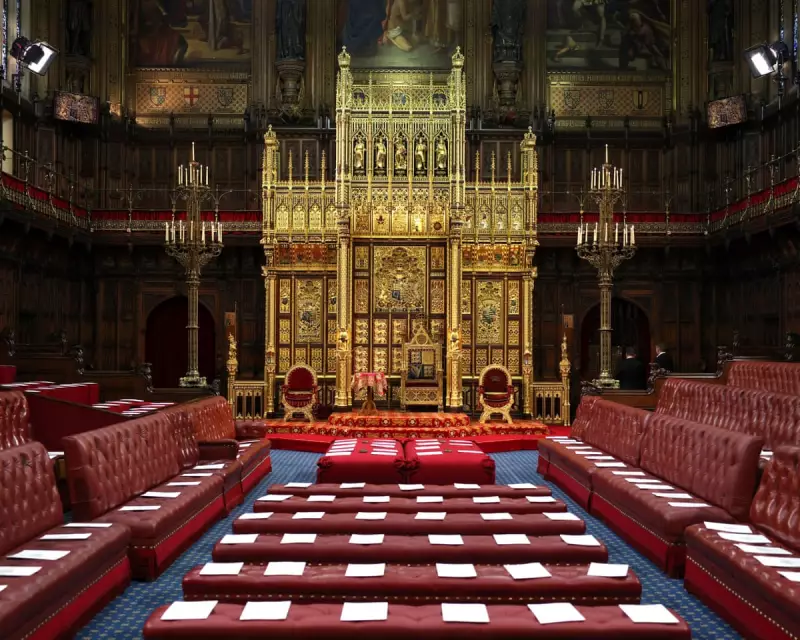
Prime Minister Keir Starmer is finalising a list of approximately 25 new Labour peerages in a significant move to strengthen his party's position in the House of Lords. The appointments, expected to be announced before Christmas, aim to address the current imbalance where the Conservatives hold a substantial majority.
Key Figures and Political Strategy
The list, seen by the Guardian, includes several prominent Labour figures and former advisers. Katie Martin, who served as Chancellor Rachel Reeves's chief of staff for nearly five years, is a notable inclusion. Described by Reeves as her "most trusted adviser," Martin has already transitioned to a Treasury role but is also tipped for a ministerial position in the Lords.
Another expected appointment is Matthew Doyle, a former Downing Street director of communications under Starmer, who is considered a "dead cert" for a peerage. The list also features outgoing union leaders, such as former Usdaw general secretary Paddy Lillis, and veteran party aide Carol Linforth, known for her role managing Labour's annual conference.

Addressing the Lords Imbalance
This will be the second batch of new Labour peers in just over a year, following the 30 appointed in December 2023. The strategic move is designed to rebalance the upper chamber, where the government currently faces a numerical disadvantage. The Conservatives currently have 283 peers, compared to Labour's 210. Even discounting the 44 Conservative hereditary peers, the Tories would still outnumber the government's representation by around 30.
This imbalance has allowed the opposition to slow down government legislation, notably on issues like renters' rights and the recent employment rights bill, where ministers had to abandon a key proposal to get it passed before Christmas. The government aims to appoint enough new peers over this parliament to finally tip the scales in its favour.
Broader Reform and Future Plans
Alongside these new appointments, Labour is pushing forward with its manifesto pledge to reform the Lords. Angela Smith, the leader of the Lords, is set to initiate the next phase of reform in the new year. Key proposals include:
- Introducing a mandatory retirement age of 80 at the end of the parliament in which a peer turns that age.
- Enforcing participation requirements to ensure peers play an active, working role.
- Strengthening rules to remove "disgraced" members and reforming the appointments process.
It is understood that the House of Lords Appointments Commission has not yet formally signed off on Starmer's latest list. Meanwhile, the Conservatives are also expected to appoint a handful of new peers, while Reform UK's request from Nigel Farage for peerages has reportedly gone unanswered.