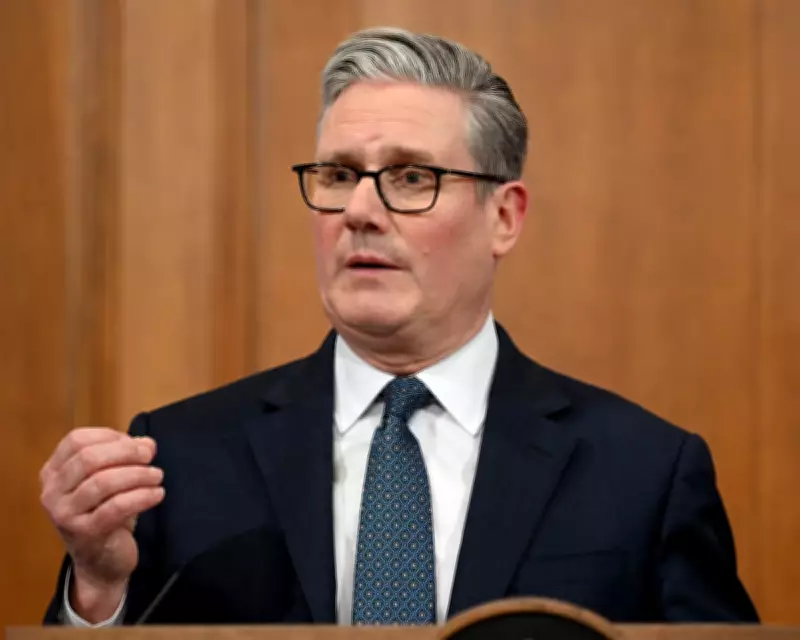
Starmer Commits to Protecting Public from War-Induced Economic Shock
Prime Minister Keir Starmer has moved to reassure the British public about the cost of living as oil prices surge past $100 per barrel for the first time since 2022, driven by the escalating US-Israeli war with Iran. Governments worldwide are bracing for major disruptions to energy supplies, with the UK facing particular vulnerability due to its reliance on Middle Eastern gas.
Prime Minister's Pledge Amid Mounting Pressure
"No matter the headwinds, supporting working people and their families with the cost of living is always top of my mind," Starmer declared ahead of a Monday visit to a London community centre. He emphasized addressing public concerns directly, stating: "People are also rightly worrying what this means for life at home – their bills, their jobs, their communities. I want to address those concerns head on. I will always be guided by what is best for the British public."
The prime minister is reportedly under significant pressure from trade unions and backbench MPs to prepare a support package for households already grappling with the ongoing cost of living crisis, particularly if the conflict becomes prolonged.

Energy Market Vulnerabilities and Immediate Impacts
While most UK households are protected in the short term by the energy price cap, the nation's dependence on gas from the Middle East creates substantial risk. An effective blockade of the Strait of Hormuz—through which approximately 20% of global liquid natural gas transits—could severely impact supplies.
The immediate effect of rising oil prices is already visible at petrol stations, where motor fuel costs are climbing. Consumers face further pressure if these energy cost increases drive inflation upward, compounding existing financial strains.
International Response and Emergency Measures
In response to the crisis, G7 finance ministers will convene an emergency virtual meeting later today to discuss a potential coordinated release of petroleum reserves through the International Energy Agency. Chancellor Rachel Reeves is expected to participate in these critical talks aimed at stabilizing global energy markets.
The Financial Times reports that this international coordination represents a crucial step in mitigating the economic fallout from the conflict, as nations work collectively to address supply disruptions and price volatility.