Starmer Clarifies North Sea Decision-Making Authority
Prime Minister Sir Keir Starmer has publicly stated that he does not possess the legal powers to approve new exploration projects in the North Sea for oil and gas fields. According to Starmer, this authority is held by Net Zero Secretary Ed Miliband, who is responsible for making quasi-judicial decisions on such matters.
Legal Framework and Parliamentary Exchanges
Starmer explained that current legislation designates Miliband as the decision-maker for cases involving increased gas extraction at sites like Shell's Jackdaw and Equinor's Rosebank oil field. The Prime Minister emphasized the government's commitment to expanding renewable energy sources, arguing that introducing new legislation would only delay the process.
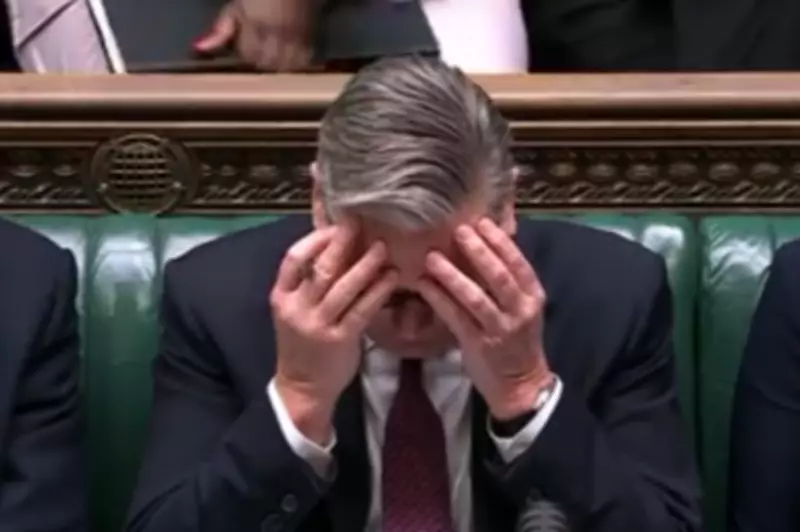
During a heated Prime Minister's Questions session, Starmer accused Opposition Leader Kemi Badenoch of lacking knowledge about the law before raising inquiries in Parliament. "It's absolutely clear that the quasi-judicial process lies with the secretary of state," Starmer asserted. He highlighted the urgency of energy security, noting, "In the last four weeks, because we are on a fossil fuel rollercoaster, everyone is being held to ransom." Starmer added that de-escalating global conflicts is crucial for ensuring energy stability.

Support and Criticism from Political Figures
Scottish courts previously ruled government approvals for additional extraction at these fields unlawful on environmental grounds. Now, the energy secretary must weigh economic and environmental factors when making decisions. Badenoch criticized Starmer, accusing him of "hiding behind legal process every time." However, Liberal Democrat leader Ed Davey, a former energy secretary, expressed agreement with Starmer's position.
Badenoch heckled Davey during the session, urging him to "stop sucking up" and shouting, "You can change the law," while repeatedly calling the Prime Minister "weak." These exchanges occurred just after Offshore Energies UK (OEUK) urged the government to urgently permit new drilling projects, warning that by 2035, up to half of the UK's liquefied natural gas (LNG) could come from international suppliers.
OEUK's Warnings and Energy Security Concerns
David Whitehouse, OEUK's chief executive, cautioned that weakening domestic supply would increase reliance on imported LNG, exposing consumers to global market volatility and higher emissions. This backdrop intensified the parliamentary debate, which also saw Reform UK MPs storm out of the chamber due to dissatisfaction with Starmer's responses.
Political Donation Reforms Announced
Amid the energy policy discussions, the government confirmed it would cap political donations from British citizens living abroad at £100,000 per year, based on a review recommendation. This change could impact Reform UK's fundraising efforts, particularly from major crypto investor Christopher Harborne, who has donated over £12 million to the party from Thailand in the past year.
Additional recommendations include preventing donations from shell companies by ensuring funds come from post-tax profits rather than revenue, requiring foreign consultant lobbyists to join an official register, and implementing stricter checks on political donors' fund sources. Starmer also confirmed that political donations made through cryptocurrencies would be addressed in an upcoming statement by Communities Secretary Steve Reed.