Prime Minister Keir Starmer Opens No 10 to Women Changemakers, Makes Bold Pledges
In a week marked by global political turbulence, Sir Keir Starmer turned attention to domestic progress by welcoming dozens of influential women to 10 Downing Street. Metro secured exclusive access to the reception, titled 'Women of Impact,' which gathered campaigners, military and police advocates, and frontline community workers. The Prime Minister spoke directly with Metro about urgent issues including the escalating deepfake crisis, pervasive sexism in medical fields, and the critical need to confront misogyny at all levels of society.
Government Commitments to a Safer, Fairer Britain
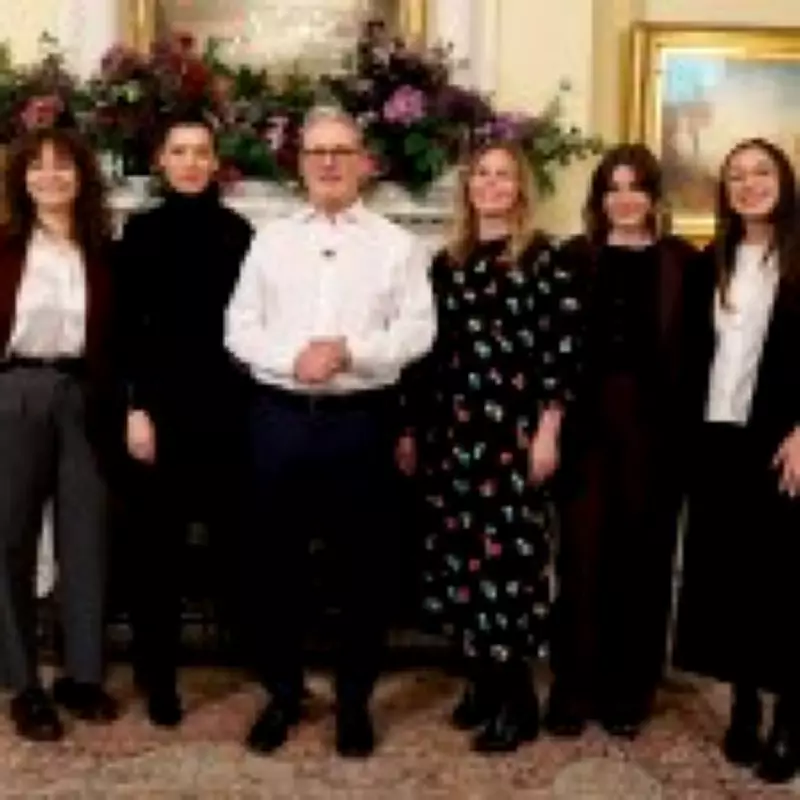
With Education Secretary Bridget Phillipson and his wife, Lady Victoria, in attendance, Sir Keir outlined his vision for a 'fair, inclusive and safe' nation where women and girls can thrive. He emphasized the government's ambitious pledge to reduce violence against women and girls by half over the next ten years, describing this mission as 'huge, important and personal.'
'We are absolutely determined to make the change that is necessary to build a better country,' Starmer declared. This commitment responds to alarming statistics: a woman is killed by a man every three days in the UK, with senior police leaders labeling violence against women and girls a national emergency. The plan includes:

- Tougher actions against perpetrators
- Specialist domestic abuse courts
- Enhanced online safety enforcement
- Improved coordination between police and health services
Regarding non-consensual sexually explicit deepfakes, the Prime Minister announced that government measures will now align with legislation targeting terrorist material. Beyond the 48-hour takedown rule implemented in February, secondary measures will prevent the cross-platform sharing of such abusive images.
Confronting Misogyny in Politics and Beyond
The event coincided with International Women's Day, shortly after the fifth anniversary of Sarah Everard's murder, which sparked widespread reflection on women's safety and institutional trust. 'Whether it's world leaders, politics and media or in my old profession of law, misogyny is everywhere. Everybody has to call it out, myself included,' Starmer told Metro.
He highlighted structural misogyny in politics, where women face disproportionate abuse and decision-making power remains uneven. 'All of this, we have to change. I understand and recognise it is my responsibility to call it out, and to lead change. On that, I am working with many brilliant women around me in my team.'
Historic Representation in Government
Starmer noted a milestone: for the first time in British history, the 800-year-old office of Chancellor is held by a woman, Rachel Reeves. She joins Foreign Secretary Yvette Cooper, Home Secretary Shabana Mahmood, and Education Secretary Bridget Phillipson in key roles, creating a cabinet with equal gender representation in top positions—11 women out of 22 members, a significant rise from the previous government's less than one-third.
Reeves stated, 'Having more women in government is about unlocking the talents of the whole country to build a stronger economy, better public services, safer streets, and a society where your destiny isn't determined by postcode or parental income.' She added, 'As this country's first female Chancellor, I'm proud to play my part in making sure no girl or woman sees any ceiling on their ambition.'
Grassroots Impact and Guest Perspectives
In a lighthearted moment, Starmer joked about being the 'support act' and used a gavel to keep remarks brief before handing over to his wife, Victoria, at their first joint official reception. She focused on grassroots efforts, praising women like Sgt Merini Sevakasiga, who aids domestic abuse survivors in the Army; Molly Bulmer, tackling knife crime in Sheffield; and Valerie Lolomari, founder of Women of Grace, supporting FGM survivors. 'When women give to each other, families, work and communities, everybody gains,' she said.

Guests included campaigners Ashley James and Payzee Mahmod, disability advocate Lucy Edwards, and broadcaster June Sarpong. In relaxed spirits afterward, Starmer shared a family moment with his children in Downing Street.
Voices from the Event: What Needs to Change?
Metro asked attendees what improvements are needed for women's lives:
- Lucy Edwards, blind TV presenter and disability activist: 'I'm going through IVF and it's obvious that female healthcare is so underfunded. People don't understand disability, leaving you vulnerable when seeking care as a disabled woman.'
- Payzee Malika, campaigner for Iranian and Kurdish Women's Rights: 'We need honesty about issues like FGM, child marriage, honour-based abuse, virginity testing, and hymenoplasty in the UK.'
- Patricia Bright, social media influencer and financial education advocate: 'Greater understanding of women's bodily needs, plus paid menstrual leave or remote work options.'
- Sophie Hulm, CEO of Progress Together: 'Redesign workplaces for performance-based progression. Government should encourage transparency in pay and advancement.'
- Ashley James, broadcaster and author: 'Address unpaid labor by women; provide affordable childcare, better parental leave, and flexible work to avoid financial penalties for motherhood.'
- Aleks Tokarz-Tyler of Safer Places: 'Recognize children affected by domestic abuse as victims. Fund specialist community services to support them and their mothers.'
The event underscored a collective call for systemic change, with the government pledging action amid ongoing challenges for women across the UK.