Slovakia's Leader Advocates for EU to End Russian Energy Sanctions
In a significant diplomatic move, Slovak Prime Minister Robert Fico has publicly called on the European Union to terminate sanctions imposed on Russian oil and gas imports. This appeal aims to mitigate the escalating energy crisis, which Fico attributes to the ongoing conflict in Iran. Following a discussion with Hungarian Prime Minister Viktor Orbán, Fico emphasized the necessity for the EU to re-engage in dialogue with Russia. He argued that such a step would enable member states to secure vital gas and oil supplies from diverse sources, including Russia, thereby stabilizing energy markets.
Divergence Within the EU
Fico and Orbán stand out within the EU for their continued diplomatic ties with Moscow, positioning them as outliers in a bloc largely united against Russian aggression. Their stance comes as oil prices have surged dramatically since late February, when the United States and Israel initiated military actions against Iran. This conflict has disrupted shipments from the Gulf region, leading the International Energy Agency to label it the most significant oil supply disruption in recorded history.
Ukraine's Security and Diplomatic Efforts
Amid these developments, Ukrainian President Volodymyr Zelenskyy announced enhanced security cooperation with Turkey after meeting with Turkish President Recep Tayyip Erdoğan in Istanbul. Zelenskyy highlighted Ukraine's intent to share its wartime expertise, technology, and experience with Turkey, leveraging its combat knowledge on the global stage. Erdoğan reaffirmed Turkey's commitment to supporting negotiations between Ukraine and Russia to end the war, underscoring Ankara's role as a mediator.

Escalating Violence and Casualties
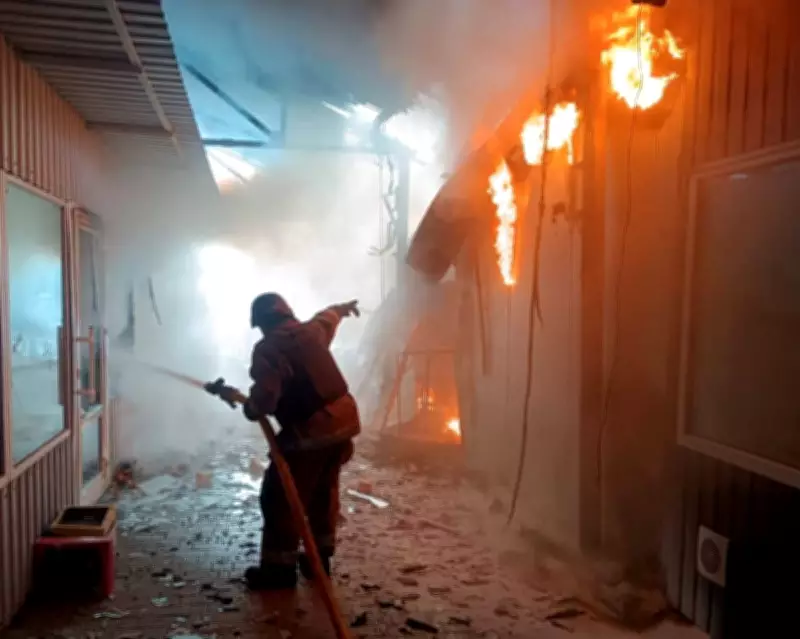
The war's toll continues to mount, with a Russian drone strike hitting a covered market in the eastern Ukrainian city of Nikopol. The attack resulted in five fatalities and 25 injuries, according to local officials. Regional Governor Oleksandr Ganja confirmed that the victims included three women and two men. This incident is part of a broader pattern of intensified aerial assaults by Russia, which has recently increased daytime attacks after years of predominantly nighttime bombardments.
In other regions, the conflict has caused further devastation. A strike in Sumy wounded 11 people, while a drone attack in Kyiv ignited a fire in an office and warehouse building, though no casualties were reported. In the Donetsk region, a drone strike on a civilian car killed one woman and injured another. Conversely, the Russian-installed leader in Luhansk claimed that Ukrainian forces targeted railroad infrastructure and residential areas, resulting in the deaths of a family of three.
Potential Diplomatic Visits
Looking ahead, there are indications of renewed diplomatic efforts. Kyrylo Budanov, a top aide to President Zelenskyy, suggested that US envoys Steve Witkoff and Jared Kushner might visit Kyiv in April to revive stalled peace talks with Russia. This potential meeting, which could occur shortly after Orthodox Easter, would mark the first official trip to Ukraine for Witkoff and Kushner, who have previously engaged with Ukrainian representatives in the US and held discussions in Moscow.
As the war persists, with Ukraine reporting the interception of 260 out of 286 drones launched overnight, the international community watches closely. The interplay of energy politics, military escalation, and diplomatic maneuvering underscores the complex and far-reaching impacts of the conflict, affecting not only the immediate region but global stability and economic security.