A new and eclectic opinion poll has lifted the lid on the peculiar and often private opinions of the British public, moving beyond the usual political battlegrounds to explore everyday dilemmas.
The survey, commissioned by Channel 5 and conducted by More in Common, delved into a range of topics under the banner of "every little thing", offering a fascinating snapshot of the nation's interior life.
Family Finances and Intergenerational Debates
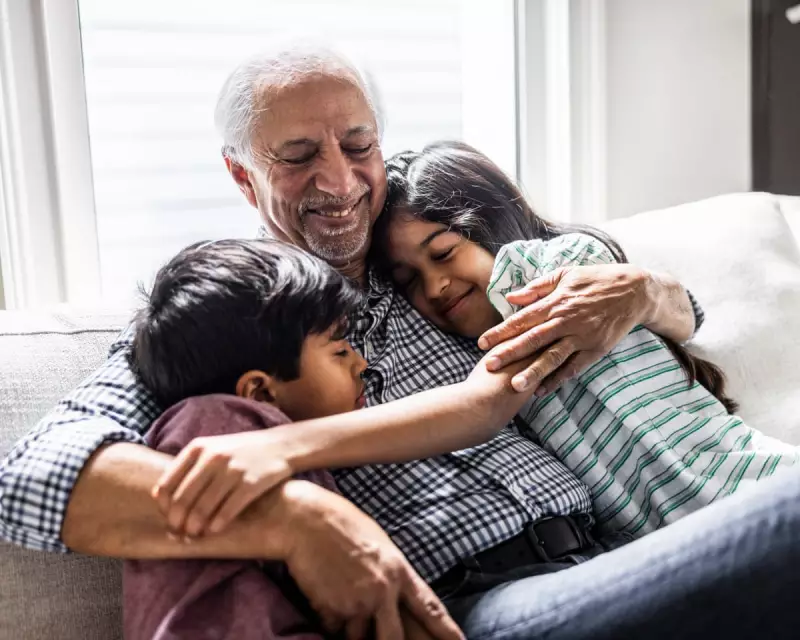
The poll sparked debate on several family-centric issues. It found that a third of respondents believe grandparents should be paid for providing childcare, leaving a significant two-thirds majority opposed to the idea.

Another finding revealed that two-thirds of people think adult children living with their parents should contribute rent. Guardian columnist Zoe Williams, commenting on the results, suggested the nuance of family income and relationships might be lost in such a binary question.
On the matter of inheritance, a sizeable majority of nearly two-thirds believe wills should always be split equally between children, highlighting prevailing attitudes towards wealth transfer and family equity.
Age, Autonomy, and Social Judgement
The survey also explored societal limits on personal choice. Approximately one in three people believe there is an age at which it becomes unacceptable to have a child, setting the bar at 45 for women and 53 for men.
Furthermore, nearly two-thirds of respondents support the idea of retaking a driving test in old age. These questions collectively touch on a broader theme of when society feels it appropriate to intervene in individual decisions.
Health, Ethics, and Everyday Curiosities
In the realm of health, the poll asked about weight-loss jabs. A majority said they would use such a treatment if it were freely available on the NHS, provided they wanted to lose weight. However, over a third of people considered using these jabs to be "cheating".
Williams contrasts these "curtain-twitchy" and random questions favourably against the "vindictive kite-flying" often seen in political polling on issues like refugees or the cost of net zero. She argues they reveal a richer, weirder portrait of the public psyche and suggests expanding such surveys to include more random and cheerful topics.
The results paint a picture of a nation grappling with modern family dynamics, ethical boundaries in health, and the perennial tension between personal freedom and social judgement.