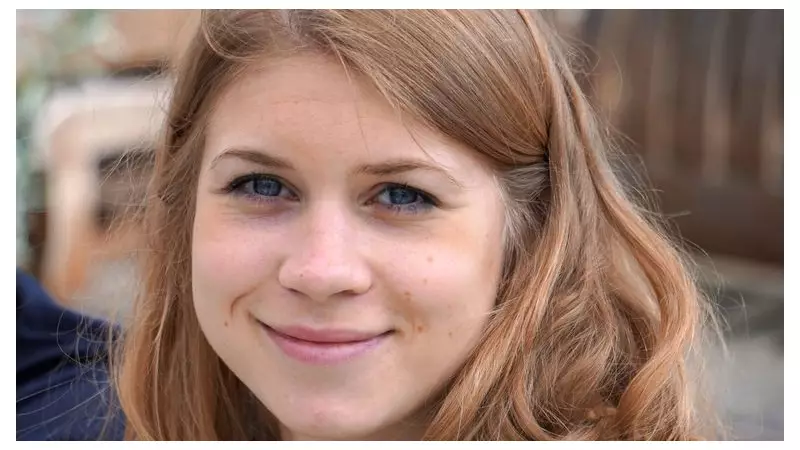
A major independent inquiry has delivered a damning verdict, finding that sexually motivated crimes against women in public spaces are not afforded the same urgent response as other high-priority crimes. The findings come from the second part of the inquiry established after the rape and murder of Sarah Everard by off-duty Metropolitan Police officer Wayne Couzens in March 2021.
A Call for Urgent Action from Inquiry Chair
Publishing her report on Tuesday 2 December 2025, the inquiry chair, Lady Elish Angiolini, issued a stark warning to authorities. The former solicitor general for Scotland stated unequivocally: "There is no better time to act than now. I want leaders to, quite simply, get a move on. There are lives at stake."
She emphasised that despite violence against women and girls being labelled a "national threat" in official policing requirements, the reality of the response falls critically short. Lady Elish found the "response overall lacks what is afforded to other high-priority crimes", branding prevention efforts as mere words without substantive action.

Systemic Failures and Unrelenting Grief
The inquiry was launched to investigate how Couzens was able to commit his crimes and to examine wider issues in policing and women's safety. Sarah Everard's mother, Susan, provided a heartbreaking testimony to the inquiry, describing the permanent void left by her daughter's death.
"After four years the shock of Sarah's death has diminished but we are left with an overwhelming sense of loss and of what might have been," she said. "All the happy ordinary things of life have been stolen from Sarah and from us... Sarah will always be missing and I will always long for her."
The report highlights specific, ongoing failures. Notably, a key recommendation from the inquiry's first part—that individuals with convictions or cautions for sexual offences should be barred from joining the police—has not been implemented. Furthermore, 26% of police forces have yet to institute basic policies for investigating sexual offences, including crimes like indecent exposure.
Data Gaps and a Culture of Fear
One of the critical failures identified is a severe lack of reliable data on sexually motivated crimes against women in public. Lady Elish condemned this information gap as "patchy and incomplete," hindering effective prevention and response.
The human impact of this systemic failing is clear from the inquiry's own research. A public survey of 2,000 people revealed that 76% of women aged 18 to 24 feel unsafe in public because of men's actions or behaviour. This echoes a 2021 study for UN Women UK which found 71% of all women in the UK had experienced public sexual harassment.
"Women change their travel plans, their routines, and their lives out of fears for their safety in public, while far too many perpetrators continue to roam freely," Lady Elish stated. "Women deserve to feel safer. They deserve to be safer."
Recommendations and a Plea for Prevention
The inquiry chair stressed that these crimes are a whole-society issue requiring a coordinated response across government, police, and other agencies. She argued for recognising such violence as both a criminal and a public health matter, asserting these crimes are "not inevitable."
Lady Elish's report makes 13 key recommendations, including:
- A national focus on better data collection and sharing.
- Centrally managed, consistent public messaging on the issues.
- An information and intervention programme for men and boys, coordinated across government departments, to foster positive masculinity.
- Mandating police forces to follow specific procedures for investigating crimes against women and girls.
The report concludes there is "no silver bullet," instead demanding a long-term, cross-party commitment to prevention through education, thorough investigations, and a relentless focus on perpetrators.
Echoes in Other Tragedies
The findings resonate with other families who have suffered loss. Farah Naz, the aunt of Zara Aleena—a 35-year-old law graduate killed in June 2022 as she walked home in Ilford—said her niece's death was similarly preventable.

"It occurred because warnings were missed, risks were overlooked, and systems intended to safeguard the public did not function as they should," she said. "Reports must become reform. Reform must become implementation."
Following the publication, Sarah Everard's family said the report "shows how much work there is to do" and that it speaks for all women victimised in public spaces. They added: "We stand with them in recognising the urgent need for positive change and in expectation of a better future."
The first part of the inquiry, published in February 2024, detailed how Wayne Couzens used his police status to abduct Sarah Everard and concluded he should never have been an officer. The next phases will investigate misogynistic attitudes within police culture and examine the case of another convicted officer, David Carrick.