The US Senate is poised for a dramatic confrontation with the Department of Justice, as Democratic leader Chuck Schumer moves to initiate legal proceedings over the incomplete publication of documents related to the late financier and convicted sex offender, Jeffrey Epstein.
Senate Resolution Demands Full Compliance
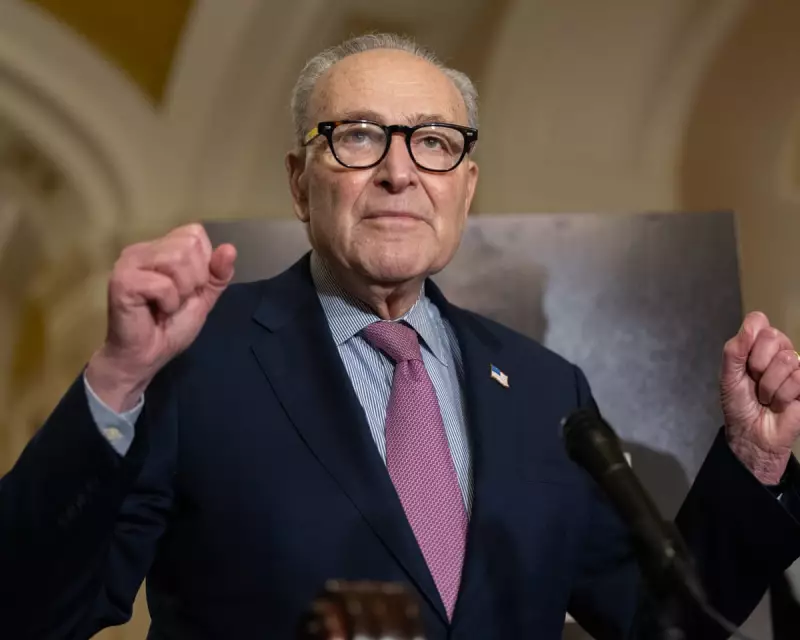
In a significant escalation, Senator Schumer announced on Monday his intention to introduce a resolution that would direct the Senate to take the Justice Department to court. This action is a direct response to what he termed the DoJ's "blatant disregard of the law" for failing to meet a statutory deadline to release the complete cache of Epstein-related files.
The deadline of 19 December was established by the Epstein Files Transparency Act, a law passed by Congress and signed by former President Donald Trump last month. The legislation explicitly mandated the Justice Department to disclose all documents pertaining to the Epstein case by that date.

"The American people deserve full transparency, and Senate Democrats will use every tool at our disposal to ensure they get it," Schumer stated on social media. "This administration cannot be allowed to hide the truth." If the resolution passes, it would authorise the Senate to file a lawsuit seeking a court order to compel the DoJ's full compliance.
A Partial Release and Mounting Criticism
Instead of the full disclosure required by law, the Justice Department published what it called "the first phase" of documents on Friday. This initial dump consisted of more than 7,700 links to photographs and court documents, a move that has drawn fierce bipartisan criticism for raising more questions than it answers.
Attorney General Pam Bondi and Deputy Attorney General Todd Blanche have defended the staggered approach. Appearing on NBC's Meet the Press, Blanche argued the ongoing review was necessary "to protect victims," suggesting critics "apparently don’t want us to protect victims."
The situation was further muddied over the weekend when the DoJ temporarily removed an image containing a photograph of Donald Trump before restoring it on Sunday, adding to the controversy surrounding the process.
Political Repercussions and Potential Consequences
The failure to comply has triggered calls for severe consequences from lawmakers across the political spectrum. California Representative Ro Khanna, a co-author of the transparency act, has called for impeachment proceedings against Attorney General Bondi, a sentiment echoed by New York Representative Alexandria Ocasio-Cortez.
Legal experts outline several paths forward for Congress. Neama Rahmani, a former federal prosecutor, noted that while Congress could hold officials in contempt, any prosecution referral would go to the Justice Department itself, making it an unlikely avenue. A more probable course is the lawsuit Schumer is advocating.
Eric Faddis, a trial lawyer and former prosecutor, highlighted that Congress could vote for contempt, potentially leading to detention by the sergeant at arms until compliance is achieved. He also noted officials could face federal charges for obstruction or evidence tampering, with impeachment remaining another viable tool.
House Minority Leader Hakeem Jeffries labelled the limited release "inadequate," stating on ABC's This Week that it "falls short of what the law requires." The DoJ now has 15 days to provide a written explanation to Congress detailing why certain documents were withheld, setting the stage for the next chapter in this ongoing battle for transparency.