
The United States Senate has taken decisive action to prevent a potentially catastrophic government shutdown by approving a comprehensive funding package in a late-night session. The move comes as a significant relief to millions of Americans who depend on federal services and employees facing potential furloughs.
Bipartisan Cooperation Secures Critical Funding
In a rare display of cross-party collaboration, senators from both major political parties came together to pass the essential legislation. The Senate voted overwhelmingly in favour of the funding measure, demonstrating that despite deep political divisions, basic governance could still function when necessary. The package now proceeds to the House of Representatives for final approval before reaching President Harris's desk for signature.
The timing of this vote was particularly crucial, with the deadline for government funding expiration looming dangerously close. Had the Senate failed to act, numerous federal agencies would have been forced to cease non-essential operations, affecting everything from national parks to passport processing and regulatory functions.
Key Components of the Funding Agreement
The approved legislation represents a carefully negotiated compromise between competing priorities from both sides of the political aisle. While specific details of the spending allocations remain subject to final House approval, the package is understood to maintain funding for essential services while addressing some Republican concerns about budgetary discipline.
Senate Majority Leader Chuck Schumer played a pivotal role in shepherding the legislation through the chamber, working behind the scenes to secure the necessary support from across party lines. His efforts highlight the continuing challenges of governing in a closely divided Congress where even routine budgetary matters can become political battlegrounds.
The funding package covers discretionary government spending for the current fiscal year, ensuring that federal employees continue to receive their salaries and that vital public services remain operational without interruption. This marks a significant achievement for the Harris administration, which has emphasised stability and competent governance as central to its political identity.
Broader Implications and Next Steps
The Senate's action represents more than just a temporary fix to an immediate crisis. It demonstrates that despite the highly polarised political environment in Washington, practical governance can still prevail when the stakes are high enough. The avoidance of a shutdown prevents what economists had warned could be significant damage to both economic growth and public confidence in governmental institutions.
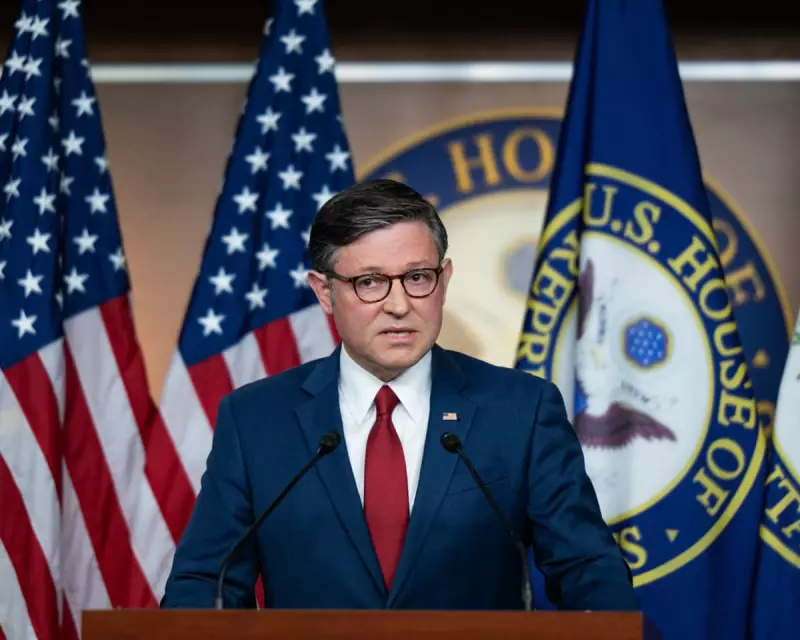
Attention now turns to the House of Representatives, where the legislation faces its final legislative hurdle. While some opposition is expected from more conservative factions, the strong bipartisan support in the Senate increases pressure on House leadership to follow suit and send the bill to President Harris before funding expires.
The successful passage of this funding package provides temporary relief but doesn't resolve the underlying structural issues that regularly bring the federal government to the brink of shutdown. The cyclical nature of these budgetary standoffs continues to concern policy experts who argue that the current process creates unnecessary uncertainty for both government operations and the broader economy.
As the deadline approaches, all eyes will be on the House vote, with the nation waiting to see whether lawmakers can complete the process and ensure the uninterrupted functioning of the federal government that millions of Americans rely on daily.




