Scottish Assisted Dying Bill Defeated Amid Labour MSP Opposition
Supporters of Scotland's assisted dying bill have expressed deep frustration after a significant majority of Labour MSPs voted against the proposals, despite substantial Labour support for similar legislation in the House of Commons. The bill was defeated in a late-night free vote at Holyrood on Tuesday by a larger-than-expected 12-vote margin, marking the end of a five-year legislative journey that began with its initial proposal.
Devastation and Disappointment from Proponents
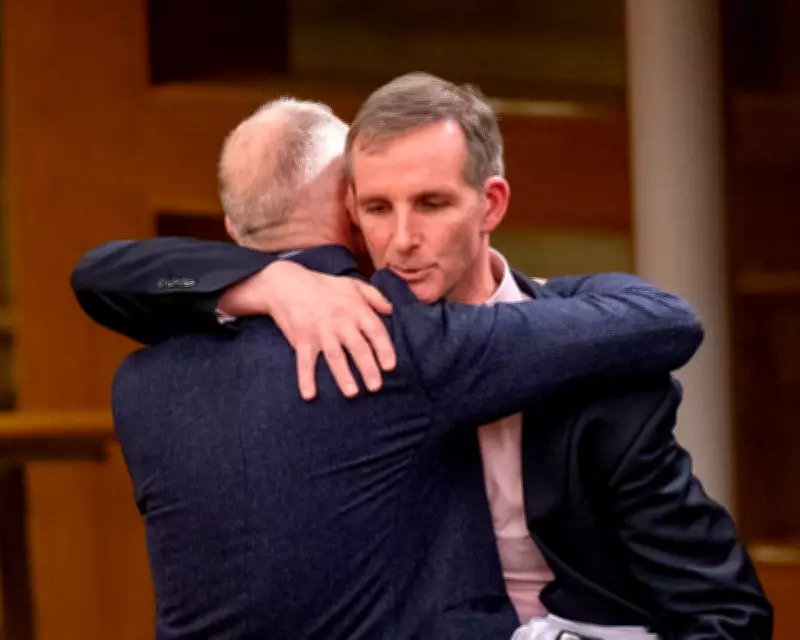
Liam McArthur, the Liberal Democrat MSP who tabled and championed the bill, stated he was "devastated" by the result and confirmed he would not reintroduce it after the May election. The bill aimed to legalise assisted dying in Scotland, but faced stiff opposition, particularly from Labour members. Only three of Scottish Labour's 20 MSPs supported the measure, with three others switching from yes to no votes at the last minute.
In stark contrast, a significant majority of Labour MPs backed the assisted dying bill for England and Wales last year. At its final Commons reading in June, 224 Labour MPs voted in favour, while 160 opposed it. This disparity has left proponents questioning the motivations behind the Scottish Labour stance.

Political Dynamics and Election Pressures
A Liberal Democrat source acknowledged that opposition from SNP and Tory backbenchers played a crucial role in the bill's defeat but highlighted the oddity of Labour's position. "It seems a little bit odd when in the House of Commons Labour MPs overwhelmingly backed this, but they've been more conservative here," the source remarked. McArthur suggested that Labour's vote may have been influenced by the upcoming difficult Holyrood election in May, with the party under intense pressure to secure votes.
However, Jackie Baillie, deputy leader of Scottish Labour, rejected this suggestion, asserting there was "absolutely no" whipping of MSPs and no instructions on how to vote. She explained that the three Labour MSPs who changed their votes did so because McArthur's bill lacked adequate safeguards and had alienated medical professionals and palliative care groups.
Demographic and Personal Factors at Play
Baillie pointed to social demographic differences as a factor in Labour's overall stance. Many Labour MSPs and MPs represent regions with significant Catholic or Protestant electorates and socially conservative voters. Under Anas Sarwar's leadership, Scottish Labour has adopted more centrist policies, which may have influenced the vote. "It's partly about demographics, it is partly about who you represent," she said, emphasising that decisions were based on personal views rather than party directives.
Monica Lennon, one of the three Labour backbenchers who voted yes, comes from a Catholic background and reported being targeted by activists and named in Catholic diocese newsletters due to her stance. Other MSPs noted receiving disproportionately heavy mail from religious groups opposing the proposals.
Concerns Over Safeguards and Future Implications
Daniel Johnson, a Labour MSP who switched to vote no, expressed alarm that McArthur refused to adopt safeguards similar to those in Australian and New Zealand assisted dying laws, such as independent tribunals and oversight boards. He categorically denied that his vote was related to the election. McArthur lamented the missed opportunity, stating, "What troubles me [is] that in this parliament there is a majority of MSPs that recognise the ban on assisted dying is leading to too many bad deaths." He warned that many would regret the decision in the coming years.
The defeat leaves Scotland without legalised assisted dying, despite growing public and political support elsewhere in the UK. The issue remains contentious, with debates likely to continue as advocates push for reform in future sessions.