The remote settlement of Kerchomya, nestled in Russia's northwestern Komi Republic, once maintained a quiet existence with its wooden houses and unpaved roads. Today, residents describe a village steadily emptying, its streets growing quieter with each passing month as the consequences of Russia's full-scale invasion of Ukraine reshape this community of just over 700 people.
A Village Transformed by Loss
According to village head Olga Bulysheva, fifty-six men from Kerchomya have departed to fight in Ukraine, representing approximately one-third of all working-age males in the settlement. Twelve have been confirmed killed, with several more believed missing. These losses have created tangible voids in a community where, as resident Vladimir explains, "every pair of hands is needed."
"When I go out for a walk now, I barely run into anyone," said Alina, who periodically returns from the regional capital Syktyvkar to visit family. "Over the past four years, my village has become deserted. The men are all fighting in Ukraine."

Economic Strain and Labor Shortages
Even before the 2022 invasion, Kerchomya faced challenges common to many rural Russian communities: younger residents migrating to cities, unemployment, and alcoholism. The village economy traditionally relied on small-scale farming and limited public-sector employment.
Now, positions at local farms, the post office, and a recently opened bread factory have become difficult to fill. Residents also report rising food prices as economic pressures from the war spread across Russia.
"If you lose one or two men, you feel it straight away," Vladimir noted. "The village starts to thin out."
Grief Embedded in Community Life
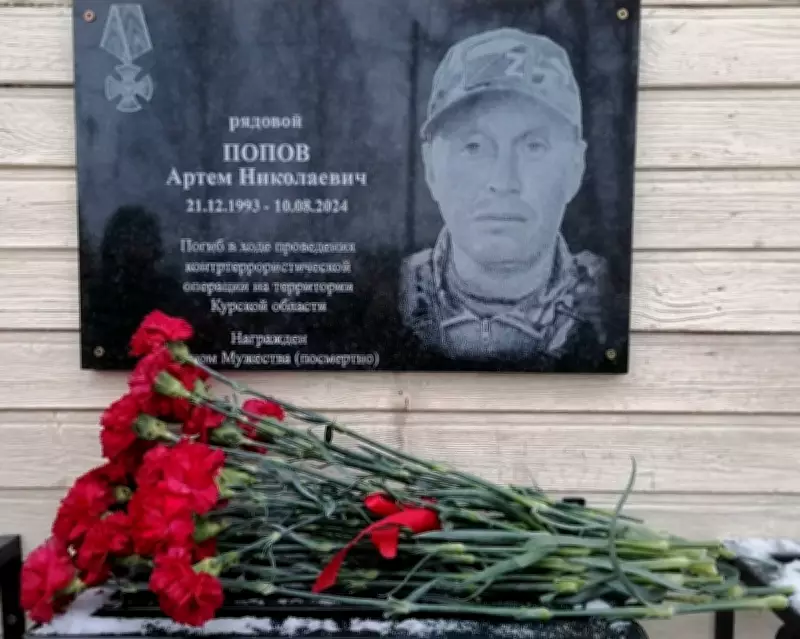
The war's human cost permeates Kerchomya's communal spaces. The village school displays plaques honoring former pupils killed in Ukraine, while teachers implement the "patriotic" curriculum introduced after the invasion, drawing parallels between current fighting and World War II sacrifices.
This Valentine's Day, children gathered in the local library to write cards for soldiers at the front. The cultural center, previously used for plays and choir performances, now regularly hosts memorial gatherings before funerals. At the village pensioners' collective, women assemble humanitarian aid for troops.
Personal Tragedies Multiply
Tatyana Popova represents the devastating personal toll, having lost one son at the front in 2023 and another a year later. "It's hard to think back on how I had to bury my own children," she said.
Nina Ladigina, whose son Anton has been declared missing, told a Russian television program she clings to hope for his return. She recalled that during previous breaks from the front, Anton would sometimes withdraw and cry quietly when he believed himself alone. "I just want him back ... in whatever state he is," she said.
Recruitment Dynamics in Poorer Regions
Kerchomya exemplifies a broader pattern identified by independent Russian media outlets. Analysis by BBC Russian Service and Mediazona reveals that a disproportionate share of confirmed Russian military deaths originate from rural areas and small towns.
According to Mediazona's data, two-thirds of Russia's confirmed losses come from settlements with fewer than 100,000 residents. The outlet described these as "poor regions with a high number of volunteers."
In Komi's isolated villages, where monthly wages typically range between 30,000 and 40,000 roubles (£285 to £380), military contracts offer rare economic mobility. Recruits receive lump sums up to 1 million roubles—several years' income by local standards—followed by salaries dwarfing civilian pay.
Geographic Disparities in Sacrifice
Mediazona's interactive map of confirmed military deaths illustrates stark geographic inequalities. While provincial cities and towns show dense clusters of casualties, wealthier Moscow districts appear noticeably sparse. In Rublyovka, the guarded neighborhood west of Moscow housing Russia's political and business elite near Vladimir Putin's residence, only a handful of names appear.
"It was always the Kremlin's priority to keep Muscovites happy and shielded from the war," said a Kremlin insider, speaking anonymously. "Any serious discontent only becomes dangerous if it comes from the capital."

Sustaining the War Effort
As losses mount, a critical question emerges: Can Russia continue drawing sufficient recruits from villages like Kerchomya to sustain its offensive?
A senior western official recently indicated that, for the first time since the war began, Russia's battlefield losses appear to be outpacing recruitment. Russia currently recruits an estimated 30,000 to 35,000 people monthly, but rising casualties combined with slowing enlistment have created challenges maintaining operational tempo along the front.
The official noted the Kremlin retains options, including increasing enlistment bonuses and recruiting more foreign fighters from poorer African and Asian nations.
Continued Willingness to Serve
Despite the losses, some Kerchomya residents express continued willingness to serve. Aleksei, whose brother was killed in Ukraine last year, has considered signing a contract himself, motivated by a desire for vengeance.
"The boys are out there defending the motherland," he said. "It's hard to stay here and just watch."
Village head Bulysheva echoed sentiments of pride and sacrifice: "We are proud that our boys are defending Russia. Our guys are really brave. Maybe they're a bit crazy here, but in a good way."
None of those interviewed openly challenged Moscow's rationale for the invasion or expressed resentment toward the capital. Many repeated Kremlin narratives about defending against "neo-Nazis" and Western aggression, even as their community bears disproportionate costs of a war transforming rural Russia from within.