In a striking policy reversal, Robert Jenrick, Reform UK's newly appointed Treasury spokesperson, has announced the party's intention to fully restore the controversial two-child benefit cap. This significant shift marks a departure from previous statements by party leader Nigel Farage, who had advocated for scrapping the limit to encourage larger families.
Major U-Turn on Welfare Policy
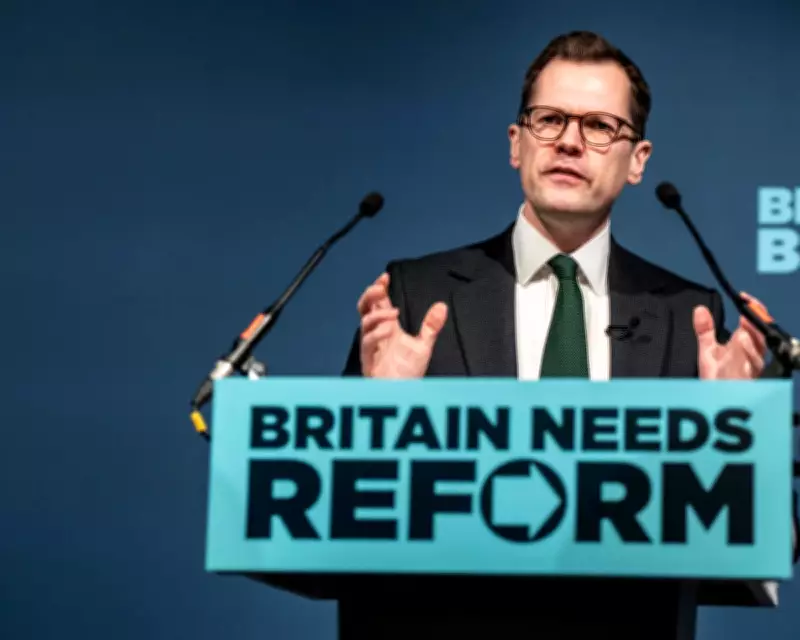
During his inaugural speech as Reform's Treasury representative, Jenrick positioned himself as the party's "shadow chancellor" and delivered a comprehensive critique of the current benefits system. The restoration of the two-child cap, which limits child tax credits and universal credit to the first two children in most households, represents what critics describe as a dramatic about-face that could impact hundreds of thousands of children nationwide.
Comprehensive Benefits Overhaul
Jenrick outlined a sweeping reform agenda targeting multiple aspects of the welfare system. He proposed significant changes to the Motability scheme, which assists disabled individuals with vehicle access, aiming to "end abuse" where "expensive cars are handed out for conditions like tennis elbow." Additionally, he announced that only British nationals would qualify for benefits under a Reform government, and individuals claiming for "mild anxiety, depression, and similar conditions" would face restrictions unless they possess clinical diagnoses.

"We want to help working families have more children," Jenrick stated during his City of London address. "But right now, we just cannot afford to do so with welfare. So it has to go. And, as Reform's shadow chancellor, I'm ending it. A Reform government will restore the cap in full."
Political Reactions and Internal Tensions
Prime Minister Keir Starmer swiftly condemned the announcement, labeling it "shameful" on social media and highlighting his government's elimination of what he termed the "cruel two-child limit." Meanwhile, internal party dynamics surfaced when Farage clarified that his previous position aimed specifically at lifting the cap for working British families, acknowledging his "pro-family" approach had "failed" and resulted in accusations of socialism.
Financial Institutions and Fiscal Policy
In a notable departure from Farage's earlier rhetoric, Jenrick affirmed the continued independence of the Bank of England and rejected proposals to abolish the Office for Budget Responsibility. This stance appears to contradict Farage's previous calls for greater political influence over the central bank and suggestions about replacing its governor, Andrew Bailey.
Jenrick emphasized Reform's commitment to "fiscal stability" alongside "radical reform," proposing to remove the Bank of England's sustainability mandates, which he characterized as "distractions." He advocated for hiring "super forecasters" to enhance economic modeling accuracy while maintaining that the OBR, despite imperfections, served a valuable role in promoting fiscal discipline.
Criticism and Scrutiny
Treasury minister Dan Tomlinson accused Jenrick of attempting to "pull the wool over people's eyes," citing what he described as billions in unfunded Reform spending commitments. Shadow chancellor Mel Stride dismissed Reform's economic credibility, pointing to an alleged £10.5 billion funding gap in their policies and noting the party's previous dismissal of numerical scrutiny.
This policy announcement represents a significant recalibration for Reform UK, balancing populist welfare reforms with reassurances to financial markets about institutional stability. The tension between Jenrick's technocratic assurances and Farage's more radical instincts highlights ongoing strategic debates within the party as it positions itself for future political contests.