Chancellor Rachel Reeves is facing intense scrutiny over whether her latest budget decisions have broken Labour's manifesto promises on taxation. The controversy centres around her decision to freeze income tax thresholds for three additional years, a move that will see more Britons paying income tax as wages rise.
The Budget Announcement and Immediate Backlash
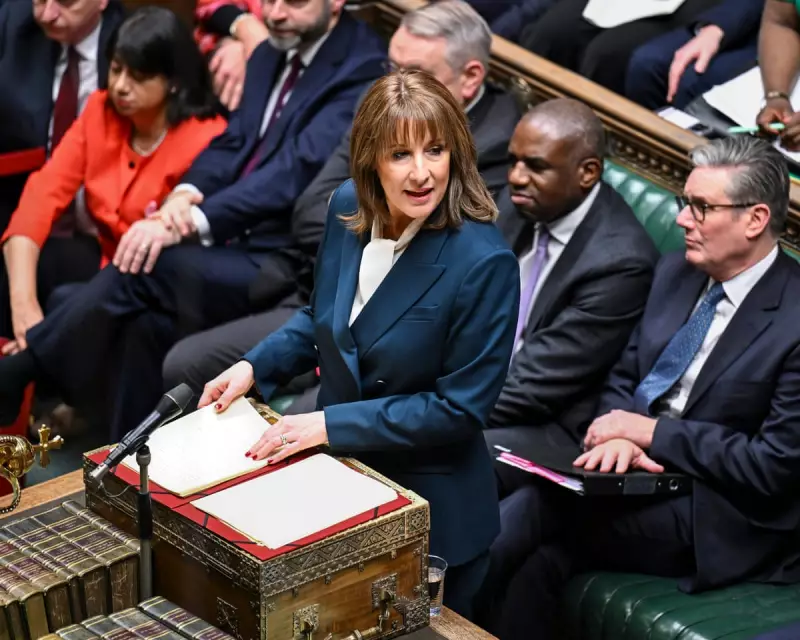
During Wednesday's budget speech in the House of Commons, Rachel Reeves made a bold declaration to MPs: "I have cut the cost of living – with money off bills and prices frozen – all while keeping every single one of our manifesto commitments." This statement came despite implementing significant tax changes that have drawn criticism from opposition parties.
Conservative leader Kemi Badenoch delivered a sharp rebuttal, accusing the Chancellor of breaking her word. "Because taxing your home, your car, your savings and your pension was not enough, the chancellor has, by her own admission, broken her manifesto promise on income tax," Badenoch stated in her response to the budget announcement.
Labour's Original Tax Pledge
During the election campaign, Labour made clear tax commitments that now face examination. The party's manifesto explicitly stated: "The Conservatives have raised the tax burden to a 70-year high. We will ensure taxes on working people are kept as low as possible."
The document went further with specific promises: "Labour will not increase taxes on working people, which is why we will not increase national insurance, the basic, higher, or additional rates of income tax, or VAT." These words now form the basis of the current political dispute.
Reeves' Tax Decisions Under Scrutiny
The Chancellor's tax strategy has unfolded over two budgets. In last year's budget, Reeves significantly increased public spending funded by £40 billion worth of tax rises, with the largest measure being a 1.2p rise in employers' national insurance contributions. This move alone is projected to raise an additional £25 billion annually by 2028/29.
This year, Reeves faced a different challenge. After considering raising income tax rates – which would have been an undeniable breach of manifesto commitments – she instead opted to freeze tax thresholds for three extra years. The Office for Budget Responsibility estimates this will generate £8 billion per year by 2029/30.
The threshold freeze means that as wages increase through inflation, more people will be pulled into paying income tax or pushed into higher tax brackets. Notably, this will affect some individuals whose only income comes from the state pension.
Arguments For and Against Broken Promises
Critics point to two main breaches of Labour's tax promises. The increase in employers' national insurance last year appears to directly contradict the manifesto pledge not to raise national insurance. Furthermore, while freezing thresholds doesn't technically break the promise on income tax rates, Reeves herself previously described such a move as a tax on working people, potentially violating the commitment to keep taxes "as low as possible."
The government defends its position with two key arguments. Officials claim last year's national insurance increase applied only to employers, not employees, and therefore didn't affect "working people" as specified in the manifesto. Regarding the threshold freeze, ministers argue they only promised not to change income tax rates, not thresholds, making the current policy compliant with their election promises.
However, the Office for Budget Responsibility delivered sobering context on Wednesday, noting that Reeves' decisions would push taxes higher than ever recorded in UK history, exceeding even the 70-year high that Labour criticised the Conservatives for achieving.
The political battle over these tax measures highlights the difficult balance between manifesto commitments and fiscal reality, with both sides preparing for prolonged debate about what constitutes a broken promise versus necessary economic management.