Reeves Faces Mounting Criticism Over Economic Growth Strategy
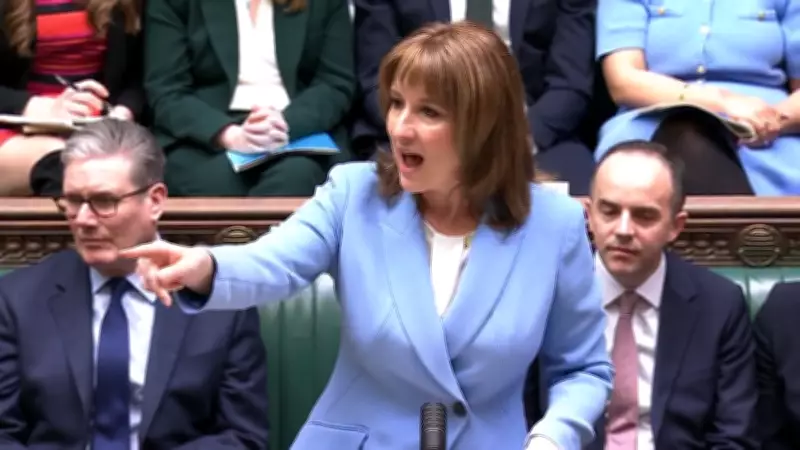
Following Chancellor Rachel Reeves' Spring Statement delivered to the House of Commons, significant scrutiny has emerged from leading policy institutions and economic analysts. The initial assessment suggests that the Chancellor's optimistic portrayal of economic progress may not align with the harsh realities facing British households.
Think Tanks Challenge Chancellor's Economic Claims
Multiple respected think tanks have raised serious concerns about the substance behind Reeves' statements. The Joseph Rowntree Foundation presented analysis indicating that, when accounting for essential housing costs including rent and mortgage payments, the actual increase in disposable income for average citizens would amount to merely £40 annually between April 2024 and April 2029. This figure stands in stark contrast to the Chancellor's assertion that individuals would be £1,000 better off each year by the next general election.
Further criticism emerged from the Resolution Foundation, which calculated that working-age families would experience a 0.5 percent decline in income between 2026 and 2029. The organization characterized this outlook as particularly bleak, with middle-income households expected to bear the brunt of these economic pressures. These assessments collectively undermine the Chancellor's confident declaration that the economy is performing exceptionally well.

The Persistent Challenge of Stagnant Living Standards
The issue of stagnant income growth and declining living standards has plagued Westminster policymakers and the broader population for two decades. However, this longstanding problem now falls squarely within Chancellor Reeves' responsibility, prompting legitimate questions about her proposed solutions. While Labour traditionally favors approaches involving subsidies, wealth redistribution, increased welfare spending, and regulatory price adjustments, these measures alone may prove insufficient to address the fundamental economic challenges.
The central solution, according to economic experts, lies in achieving sustainable economic growth—a concept that remains frustratingly elusive despite its critical importance. Reeves has indicated that she will elaborate on her growth strategy during the upcoming Mais Lecture later this month, but this delayed timeline has drawn criticism from those who argue that the economic situation demands more immediate action.
Urgent Calls for Policy Reform in Key Sectors
Prominent City analyst Simon French recently identified three critical areas where government policies are effectively restricting supply: land availability, energy production, and capital investment. This analysis arrives alongside policy recommendations from the centre-right think tank Bright Blue, which advocates for substantial deregulation in the housing sector and comprehensive reforms to energy policy.
These proposals suggest that the government possesses both the capability and responsibility to implement swift measures that would stimulate economic activity while simultaneously streamlining the complex regulatory environment that currently hinders investment and contributes to higher costs. The pressing question remains why the Chancellor insists on delaying the presentation of her comprehensive plan until a formal academic lecture, rather than addressing these urgent matters with immediate policy announcements.
The economic landscape demands decisive leadership and concrete action, not merely promises of future revelations. As households continue to grapple with financial pressures, the government's response—or lack thereof—will significantly influence both short-term economic stability and long-term prosperity.