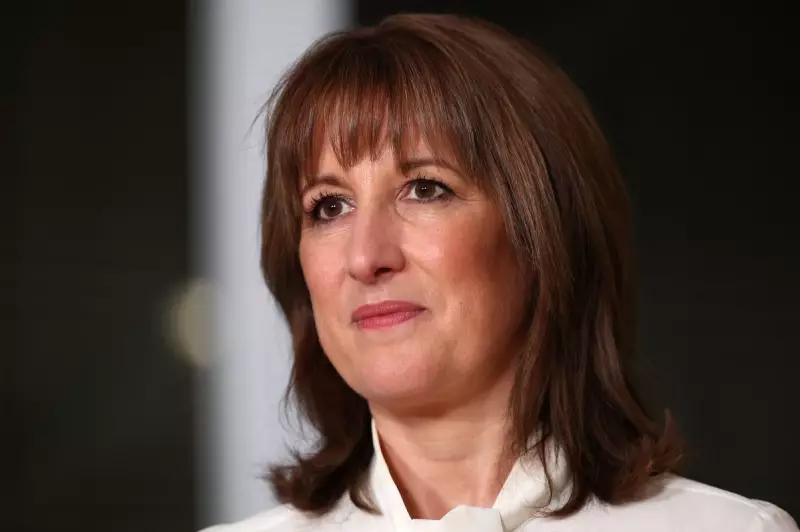
Chancellor of the Exchequer Rachel Reeves is facing mounting demands for her resignation following a controversial Autumn Budget that has seen her break a core election promise and draw accusations of deception from critics.
A Broken Manifesto Pledge
The central controversy stems from the Chancellor's decision to freeze income tax thresholds, a move widely characterised as a stealth tax rise. During the election campaign, Reeves and Labour pledged to "end austerity" without raising taxes on "working people". The freeze, however, will pull an estimated 4.8 million more people into the higher rate of tax and reduce take-home pay for many, directly contradicting that promise.
Initially, the Treasury suggested the Office for Budget Responsibility (OBR) forecasts had forced their hand. This justification has since been abandoned. Both Prime Minister Keir Starmer and Chancellor Reeves now admit the policy was a political choice, explicitly to fund the abolition of the two-child benefit cap.

The Political Choice: Ending the Two-Child Cap
"Look, I’m a Labour Chancellor. I want to reduce child poverty. I make no apologies for that," Reeves stated in a recent BBC interview. The move aims to address relative child poverty, defined as children in households with incomes below 60% of the national median.
Critics, however, highlight the abruptness of this shift. The Labour manifesto mentioned 'welfare' only twice, both times in reference to animal welfare. Furthermore, the party withdrew the whip from seven of its own MPs just last year for opposing the very same cap. Commentator Alys Denby argues this indicates the decision is driven by expediency rather than principle, noting the policy is unpopular with the wider public who voted for a government to protect "working people".
Mounting Pressure and a Defence That Fell Flat
The Chancellor's defence has done little to quell the storm. Her claims of being "underestimated" and "mansplained to" have been branded as self-pitying and an insult to taxpayers funding the decisions. With a commanding 148-seat majority, pressure is mounting on Prime Minister Starmer to act, yet he has publicly stated he is "proud" of his Chancellor.
The episode has severely damaged Reeves's credibility. Opponents argue her position became untenable the moment she misled colleagues and the public about the OBR's role. Combined with what critics call a lack of progress on growth and a failure to cut public spending, the calls for her resignation are growing louder. The Autumn Budget, intended to showcase stability, has instead triggered a major political crisis for the fledgling Labour government.