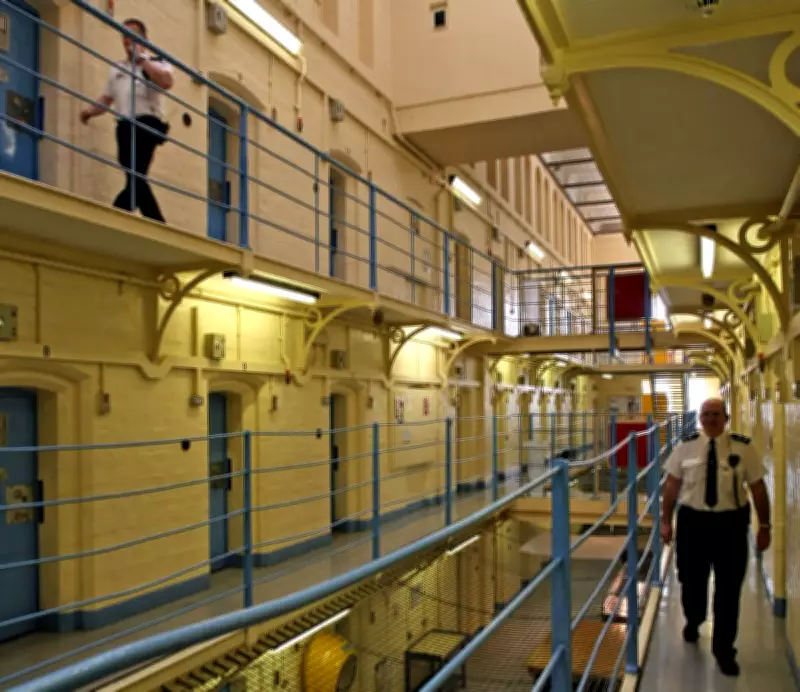
Prison officers are frequently undervalued and misrepresented, yet they hold a pivotal role in transforming the criminal justice system. As highlighted in recent discussions, frontline staff are uniquely positioned to foster change, with effective officers significantly enhancing outcomes for inmates. To develop a prison system that prioritizes rehabilitation, it is imperative to place staff at the core of these initiatives, focusing on recruiting, training, and nurturing exceptional leaders on the ground.
The Critical Influence of Frontline Staff
The well-documented challenges within prisons, including persistently high reoffending rates that cost taxpayers billions annually, underscore the urgency of reform. With many prisoners confined to their cells for over 22 hours each day, officers on the landings become the most influential figures in these environments. They possess the unique ability to connect with all prisoners, even those who resist engagement with other aspects of the system. The success of reform efforts, such as those introduced by the new Sentencing Act, hinges on the presence of transformative leaders at the frontline.
Building Relationships and Driving Change
Through initiatives like the Unlocked Graduates programme, it has been demonstrated that prison officers can forge relationships with some of the most difficult-to-reach individuals, operating in some of the toughest public sector settings. It is these officers who catalyze change through daily interactions, motivating prisoners to participate in education programmes, restore family ties, and establish positive objectives aimed at reducing reoffending. Sustained investment in this group is essential and non-negotiable for achieving lasting improvements.

In summary, the rehabilitation-focused prison system relies heavily on the dedication and skills of frontline staff. By empowering prison officers, we can address systemic issues, lower reoffending rates, and create a more effective and humane criminal justice framework.