Prickly Garden Wins Gold at Chelsea Flower Show, Celebrates Imperfection
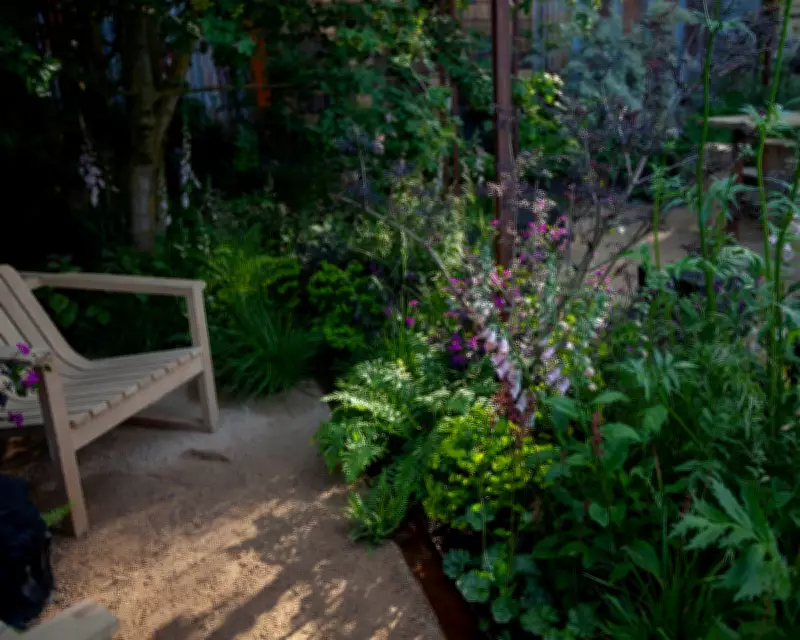
A garden designed to help teenagers embrace their imperfections has won a gold medal at this year's RHS Chelsea flower show. The Children's Society garden, created by designer Patrick Clarke, features plants with visible flaws such as prickly poppies, a bird's nest fern planted in a drain, and verbascum arcturus, a delicate yellow flower with hairy stems.
The central message of the garden is 'beauty in imperfection,' a concept Clarke believes is crucial for young people. 'Perfection is the most debilitating thing for young people because it's something that is unattainable,' he said. 'When they are bombarded with images of perfection on social media, that is very threatening to people's mental health.'
Visitors must navigate a slightly crooked path, stepping around small plants placed deliberately in their way and crossing steel water rills that encircle the design. 'You have to be quite brave to step into the garden,' said project manager Clarissa Freeman. 'There are a few obstacles you have to weave around – and that's just life. Life isn't always a straight line, and it isn't always perfect.'

The path leads to a sunken seating area surrounded by dense, lush planting, offering a space for young people to sit and talk. 'You get that feeling of being enclosed in green space, which we know is beneficial to the mental health of young people,' Freeman said. She hopes the teenagers who will use the garden when it is relocated to a youth club in Bedfordshire will feel as if it is 'giving them a hug.'
The prickly poppy, one of the standout plants, has a 'beautiful, dainty flower, a really soft buttery yellow,' but it also has prickles. 'It shows you can have beauty with prickliness, that prickly doesn't necessarily mean bad,' Freeman explained. She added that the garden conveys a message of resilience: 'What the Children's Society are really trying to push against is the idea that we should be trying to eliminate all challenges in life, which is impossible. Life isn't always easy, but the journey is what makes us who we are.'
At the back, near a waterfall feature, there is a solo seating area tucked under a twisted field maple tree, offering a calm, sheltered space for teens who wish to be alone. They can return to the social area via a concealed, unpaved path.
The garden furniture was crafted from fallen trees that were deemed too imperfect for standard use. Carpenter Olly Hill used timber that would otherwise be sent for biomass, creating bespoke chairs and tables with tiny joins that resemble stitches in the largest cracks. 'We're making an analogy about those tiny interventions that the Children's Society make in young people's lives, giving them additional resilience and strength to move forward,' Clarke said.
Discarded concrete paving slabs from skips and reclamation yards were cut to reveal their inner aggregate, creating a path that looks like terrazzo tiling. After Chelsea, the garden will be replanted at the Leighton Buzzard youth centre in Bedfordshire, creating the charity's first outdoor wellbeing space for young people, accessible to the wider community. 'It will be a haven for them that they can use on a daily basis,' Freeman said.