Peers Under Pressure: The Urgent Need for House of Lords Reform in Britain
The House of Lords, Britain's upper chamber of Parliament, is under increasing scrutiny as demands for reform grow louder. With debates intensifying over its composition, effectiveness, and role in modern governance, peers are facing mounting pressure to address long-standing issues that critics argue undermine democratic principles.
Composition and Criticisms
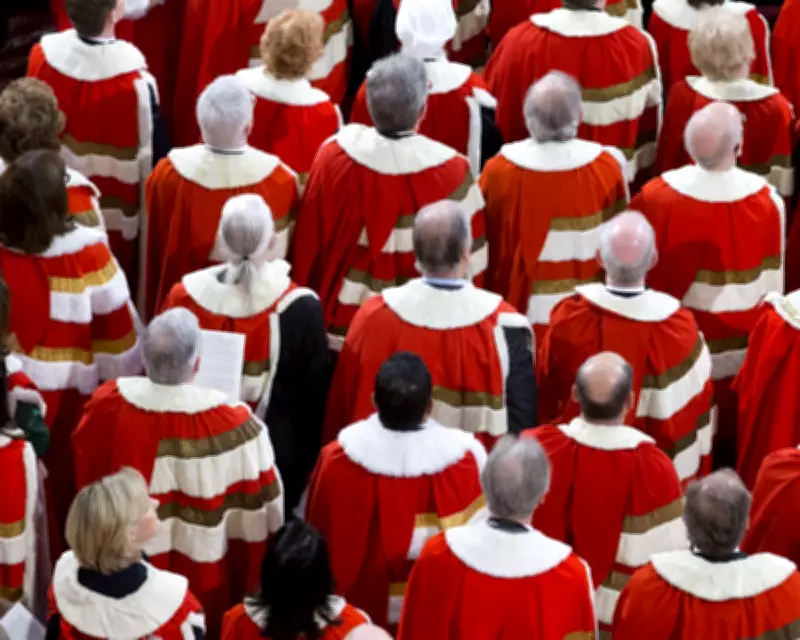
The current structure of the House of Lords, which includes hereditary peers, life peers appointed by political parties, and bishops from the Church of England, has been a focal point of criticism. Many argue that this system lacks democratic legitimacy, as members are not elected by the public. This has led to concerns about accountability and representation, with calls for a more transparent and inclusive selection process.
Additionally, the size of the House of Lords has ballooned in recent years, making it one of the largest legislative chambers in the world. This expansion has raised questions about efficiency and cost, with taxpayers funding the expenses of hundreds of peers. Reform advocates suggest capping the number of members or introducing term limits to ensure a more streamlined and effective body.

Role in Governance
Despite its unelected nature, the House of Lords plays a crucial role in scrutinizing legislation proposed by the House of Commons. It often provides expert oversight and amends bills, drawing on the diverse experiences of its members. However, critics contend that its powers are too limited, as it cannot block legislation indefinitely, leading to debates about whether it should have more substantive authority or be replaced entirely with an elected senate.
The chamber's ability to represent regional interests and minority voices is also under discussion. Some propose reforms that would include elected representatives from devolved nations or sectors like science and the arts, enhancing its role as a revising chamber that reflects Britain's diverse society.
Political and Public Pressure
Political parties have long debated House of Lords reform, with proposals ranging from incremental changes to complete abolition. Public opinion has shifted, with polls showing growing support for an elected upper house or significant restructuring. This pressure is compounded by high-profile scandals and controversies involving peers, which have eroded trust in the institution.
As Britain navigates post-Brexit challenges and evolving constitutional questions, the need for a modernized House of Lords becomes more urgent. Reform could involve steps such as:
- Introducing elections for some or all peers
- Reducing the number of members to improve efficiency
- Enhancing diversity and representation in appointments
- Clarifying the chamber's powers and responsibilities
In conclusion, the House of Lords is at a crossroads, with peers under pressure to embrace reform that aligns with contemporary democratic values. Whether through gradual adjustments or sweeping changes, the future of Britain's upper chamber will significantly impact its governance and public confidence.