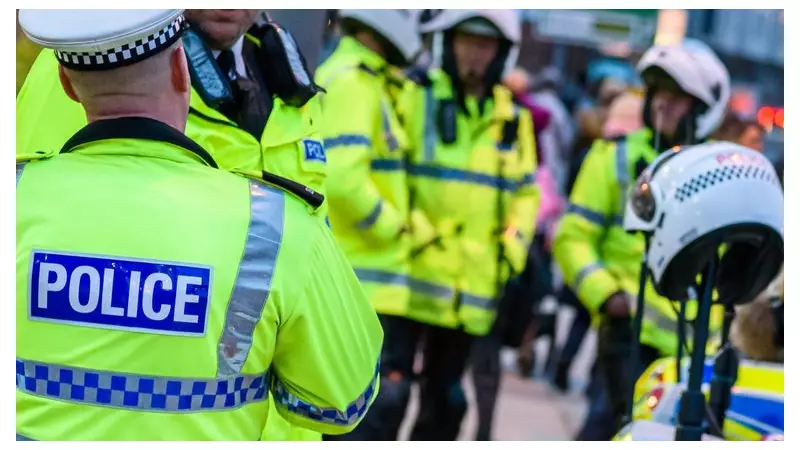
Senior police leaders are poised to recommend the abolition of the system for recording non-crime hate incidents, arguing it is no longer fit for purpose and should be replaced with a more targeted, common sense model.
What Are Non-Crime Hate Incidents?
These incidents are defined as actions perceived to be motivated by hostility or prejudice towards protected characteristics like race, religion, or gender, but which do not meet the legal threshold to be classed as a criminal offence. The scheme for logging them has been in operation across forces in England and Wales since 1999.
The forthcoming review, conducted by the National Police Chiefs' Council (NPCC) and the College of Policing, is due to be published and presented to Home Secretary Shabana Mahmood next month. It will propose a significant overhaul.

A Shift to Intelligence and Common Sense
Under the proposed new system, incidents that are currently logged as non-crime hate events would instead be treated as intelligence reports, rather than entries on a crime database. Officers would be guided by a "common sense" checklist designed to ensure focus is directed towards the most serious cases of anti-social behaviour.
Lord Herbert of South Downs, the chairman of the College of Policing, explained to The Telegraph that the concept of non-crime hate incidents would "go" entirely. He stated the checklist would help police target genuinely severe conduct, citing antisemitism as an example, rather than lower-level perceived slights.
Metropolitan Police Pre-empts National Review
This national review was announced after Britain's largest police force, the Metropolitan Police, declared in October 2024 that it would cease investigating non-crime hate incidents. That decision followed the case involving Graham Linehan, the creator of Father Ted.
Linehan was arrested at Heathrow Airport on suspicion of inciting violence over social media posts concerning transgender issues but faced no further action. The Met's move highlighted growing concerns within policing about the scope and impact of recording these incidents.
The push from police leaders signifies a major potential shift in how forces manage community tensions and perceived prejudice, aiming to balance public concern with proportionate use of police resources.