Plaid Cymru Leader Rhun ap Iorwerth Unveils Detailed 100-Day Governance Plan
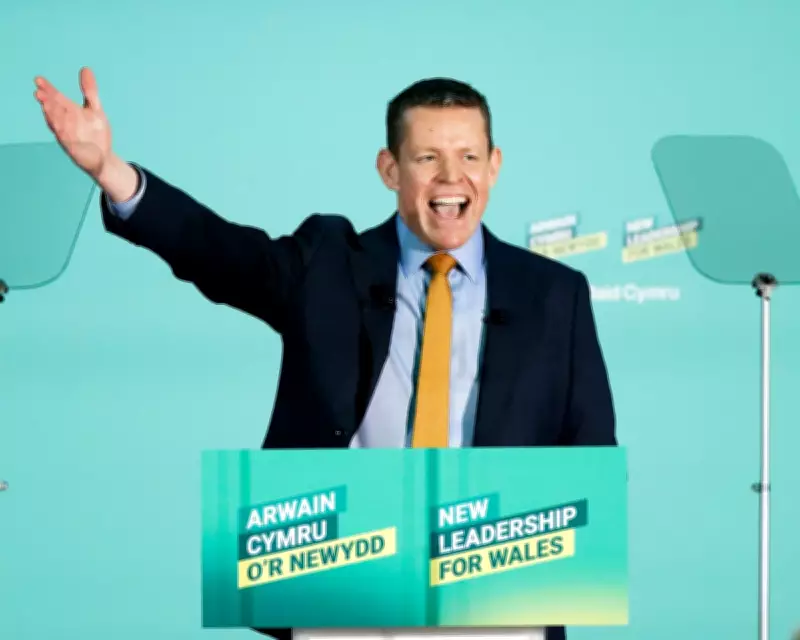
Rhun ap Iorwerth, the leader of Plaid Cymru, addressed delegates at the party's spring conference in Newport, Wales, launching a comprehensive 60-page "roadmap" detailing the party's plans for its first 100 days in government if it wins the upcoming Senedd elections in May. Ap Iorwerth described the prospect of leading Wales as "a heck of a task" but expressed confidence that voters are increasingly motivated by their Welsh identity, potentially ready for a "redesigned" Britain.
Preparedness and Vision for Welsh Governance
In an interview with the Guardian, ap Iorwerth emphasized that publishing the roadmap is not a sign of complacency but a demonstration of Plaid Cymru's seriousness about governing. "We want to persuade people of the seriousness with which we're approaching the business of preparing for government," he stated. "It most certainly isn't complacency. I argue it's the opposite of that. If we're asking people to put their trust in us, we have to show them that we're ready to start repaying that trust immediately."
He acknowledged feeling daunted by the challenge, noting that winning the election would involve addressing decades of missed opportunities. The roadmap focuses on five key areas:

- Cutting hospital waiting lists
- Tackling the cost of living crisis
- Boosting the economy
- Improving standards in schools
- Easing child poverty
Independence and Welsh Identity at the Core
While the roadmap does not explicitly highlight independence, a fundamental aspiration for Plaid Cymru, ap Iorwerth suggested it is implicit in promises to "resettle" Wales's relationship with the UK government. "Independence is a word that I'm happy to use," he said. "The concept that we're talking about is Wales reaching its potential. I happen to believe that it's through independence."
He framed independence not as isolationism but as part of redesigning Britain, emphasizing that the decision lies with the people of Wales. "We talk all the time about our view that Wales should take the levers of change into its own hands, and to argue that we shouldn't have that debate is to argue that Wales could never, and is unable to, stand on its own two feet," ap Iorwerth added, noting that voters are increasingly driven by their Welsh identity.
Electoral Dynamics and Cooperation Prospects
Plaid Cymru has been leading in Welsh polls, with Reform UK second and Labour third, but the new electoral system for May's election makes a majority unlikely. Ap Iorwerth expressed openness to cooperation, stating, "I'm making it explicitly clear that whilst my preferred option would be to lead a minority government ourselves, it would be a government that would be seeking out people who are willing to share common ground."
He dismissed concerns about a Green surge similar to recent English byelections, asserting that Plaid Cymru is the party to lead in Wales. "We need one party to be leading the charge. We need one party to be bigger than Reform. It is only Plaid Cymru who can be that party," he declared.
Conference Atmosphere and Policy Promises
The conference maintained a homely feel, with volunteers collecting donations for the party's fighting fund, as Plaid Cymru lacks the wealthy backers of Labour and Reform. The event was shared with a cheerleading competition, causing minor delays. Lindsay Whittle, a prominent Plaid figure, described the conference as "buzzing" and "electric," highlighting the mix of old friends and young attendees focused on the future.
Key promises in the blueprint include:
- Restricting smartphone use in schools for under-16s
- Launching an express coach service linking north and south Wales
- Creating a national agency to coordinate crime prevention and diversion
Growing International Recognition and Alliances
Liz Saville Roberts, Plaid Cymru's Westminster leader, noted that the party is no longer seen as a "quaint, regional quirk" but as a threat by Westminster. She revealed that diplomats from the European Union, France, Germany, Italy, the Netherlands, Poland, and Ireland attended the conference, reflecting rising global interest in Welsh politics.

In a video address, Scotland's First Minister John Swinney called for collaboration between the SNP and Plaid Cymru to advocate for greater devolved powers, underscoring the growing momentum for change in Wales.