Oxford Street Pedestrianization Plan Approved by Mayor Khan Amid Complex Challenges
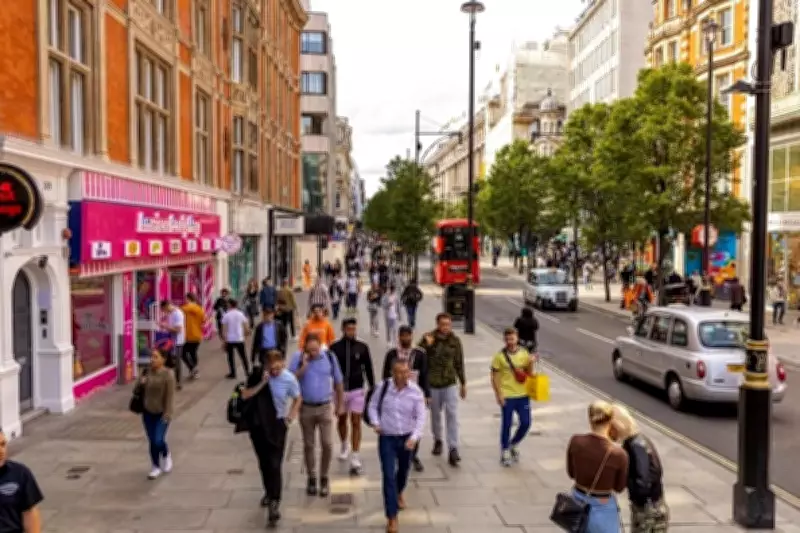
London Mayor Sadiq Khan has officially green-lit ambitious plans to pedestrianize Oxford Street, setting the stage for a major transformation of the capital's premier shopping destination. The announcement, made on Wednesday, outlines a vision to remove traffic from the stretch between Orchard Street and Great Portland Street by the end of this summer, creating a greener, safer, and more vibrant public space.
Retailers Embrace Transformation While Implementation Hurdles Loom
The pedestrianization proposal has garnered strong support from major retail figures who anticipate significant benefits for business. John Lewis managing director Peter Ruis praised the plan for creating a more "vibrant, green" environment, while Selfridges executive director Meave Wall described it as a project that will "revitalize" the iconic shopping strip.
ReDee Corsi, chief executive of the New West End Company representing over 600 businesses in the district, pointed to previous trial data showing substantial footfall increases during temporary pedestrianization events. "Our data revealed that the one-day pedestrianization drove large increases in footfall for both Oxford Street and neighboring streets across the district," Corsi told City AM.

However, experts caution that implementation will be complex. The plan requires rerouting heavy bus traffic that currently carries more than 200,000 passengers daily along the thoroughfare, raising concerns about potential knock-on effects for surrounding road networks and air quality in adjacent neighborhoods.
Political Tensions and Community Concerns Surface
The decision represents a significant victory for City Hall over Westminster City Council, which despite being Labour-led has maintained skepticism about the pedestrianization plans. Council leader Adam Hug acknowledged the mayor's decision while referencing his council's "long-standing criticism of the plans as a matter of public record."
Hug committed to working pragmatically with the Greater London Authority but emphasized the need to ensure the new Oxford Street "works for local communities, as well as for London." The council secured several concessions during negotiations, including maintaining bus traffic on Oxford Street East, which will not be pedestrianized.
Former Boris Johnson advisor James Ford noted the political complexities, telling City AM: "Westminster is traditionally a Conservative borough that went emphatically to Labour in the 2022 local elections, and there are ruffles in the Labour movement about the fact that a Labour mayor is gazumping a flagship Labour Council."
Ford also warned that wealthy residents in surrounding areas like Mayfair and Fitzrovia might oppose the changes as redirected traffic affects their neighborhoods. "Many will now find the bus coming outside their house, and find the traffic on their street a little slower moving," he said.
Design Elements and Safety Features Detailed
According to City Hall announcements, the transformed Oxford Street will feature enhanced greenery with additional trees and expanded seating areas. The Metropolitan Police will implement upgraded CCTV systems and improved street lighting to prioritize the safety of women and girls using the pedestrianized space.
Social media reactions to early computer-generated imagery of the project highlighted public sensitivity to design choices. A widely-shared mock-up featuring brightly-colored green paving and models of jumping men suspended between historic buildings drew criticism from some quarters. Samuel Hughes, fellow at the Centre for Policy Studies, commented on X: "No need for migraine-inducing diagonals, greenified asphalt, or sculpted athletes suspended on wires."
City Hall clarified that the controversial imagery represented a previous iteration of the plans and does not reflect current design ambitions for the project.

Property Market and Accessibility Considerations
The regeneration is expected to create significant opportunities for real estate investors. Paul Stenson, director of real estate investment management at IQ-EQ, told City AM that Oxford Street's "patchwork" of land ownership—including investment trusts, sovereign funds, high-net-worth individuals, and owner-occupiers—provides unique resilience and adaptability.
"It's very hard to think about a patchwork of ownerships that gives you such resilience anywhere else in London, never mind worldwide," Stenson said.
London Travelwatch, the capital's travel watchdog, expressed broad support for the pedestrianization but called on Transport for London to conduct extensive consultations with diverse groups to ensure the area remains "safe and accessible" for all users.
BusinessLDN director of planning and development Sarah Bevan welcomed the plans while emphasizing the importance of ongoing business consultation to align the pedestrianization with broader West End regeneration efforts.
The Oxford Street transformation represents one of the most significant urban planning initiatives in central London in decades, balancing ambitious regeneration goals with complex logistical, political, and community considerations that will require careful navigation in the coming months.