In a powerful reflection on the state of our world, a poignant metaphor of shattered glass has ignited a crucial conversation about the nature of our society. The image, central to author Elif Shafak's recent commentary, frames fragility not as a weakness but as a fundamental condition requiring careful attention.
The Danger of Societal Numbness
Writing in response to Shafak's piece, Simon Spiller from Budleigh Salterton, Devon, delves deeper into the peril she identifies. The core threat, he argues, is not the existence of crisis itself, but the creeping numbness that allows us to endure it. We have consciously constructed systems across geopolitics, media, institutions, and public services that prioritise and reward speed, certainty, and outrage. It is little wonder, Spiller suggests, that compassion struggles to survive within these rigid frameworks.
How Systems Harden Under Pressure
The letter outlines a troubling progression. Under sustained pressure, systems harden and language sharpens. This institutional rigidity transforms individuals from complex human beings into mere 'problems' to be managed or processed. Spiller is keen to note that this erosion of care is rarely born of direct malice. Instead, it is more often squeezed out by the relentless demands of efficiency and transaction.

This shift from the relational to the transactional lies at the heart of the issue. If everything is transactional, nothing is relational. The repair work needed for our trust, democracy, and shared culture cannot begin within this paradigm. It requires the deliberate reintroduction of space—space for doubt, for empathetic connection, and for genuine reflection.
A Final, Potent Warning
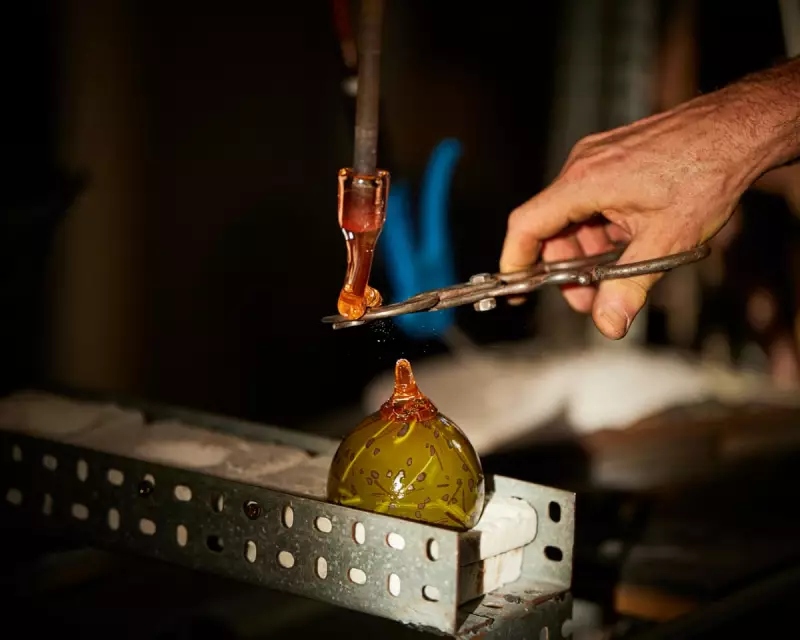
Spiller concludes with a resonant refinement of Shafak's glass metaphor, offering a stark warning. While broken glass can indeed be remelted and reformed, the process is not without cost. Relentless heat will always burn what it touches. The implication for our society is clear: constant crisis and pressure, without the counterbalance of compassion and care, will ultimately cause damage that cannot be fully undone.
The letter, published in the Guardian's correspondence section, serves as a compelling call to recognise the fragility woven into our collective life and to choose a path of mindful repair over one of detached endurance.