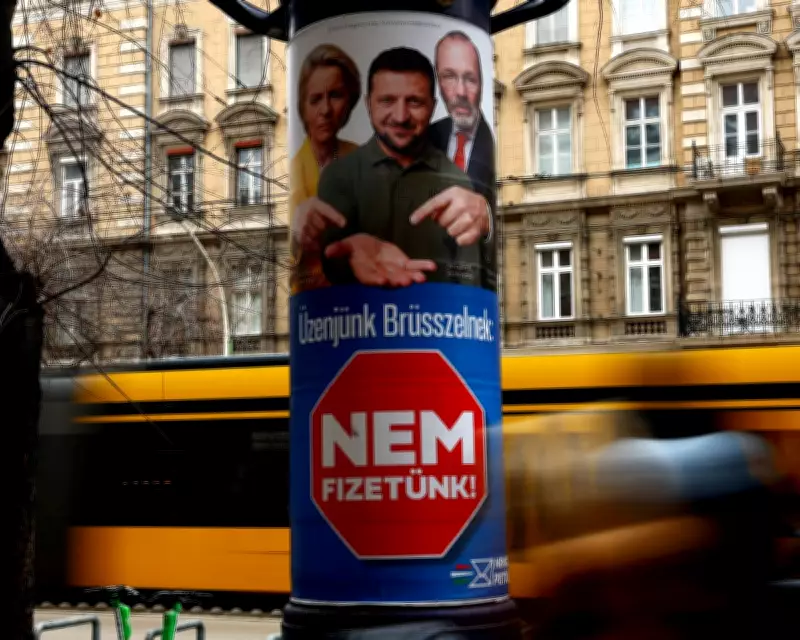
Orban's Political Gambit: Targeting Ukraine to Win Hungarian Votes
Hungarian Prime Minister Viktor Orban is reportedly escalating his anti-Ukraine rhetoric in a deliberate effort to galvanize support and secure votes in the lead-up to critical elections. Political observers note that this strategy leverages nationalist sentiments and positions Orban as a defender of Hungarian interests against external pressures, particularly from the European Union and NATO allies supporting Ukraine.
Analyzing the Tactical Shift
Orban's recent statements have sharply criticized Ukraine's government and its policies, marking a significant intensification from his previous diplomatic postures. Experts argue that this approach is designed to resonate with his core electorate, which often views international institutions and foreign interventions with skepticism. By framing Ukraine as a threat or a burden, Orban aims to consolidate his political base and distract from domestic issues such as economic challenges or governance controversies.
This move aligns with Orban's long-standing political playbook, which frequently involves stoking nationalist fervor and positioning Hungary as a bulwark against globalist agendas. The timing is crucial, as elections loom and public opinion polls indicate a tightening race, making voter mobilization a top priority for his party, Fidesz.

Broader Implications for European Politics
The escalation in rhetoric has not gone unnoticed in European capitals, where leaders are grappling with the implications for regional stability and unity. Orban's stance complicates efforts to maintain a cohesive EU and NATO response to the ongoing conflict in Ukraine, potentially undermining collective security measures. Some analysts warn that this could strain Hungary's relationships with key allies, leading to diplomatic isolation or economic repercussions.
However, Orban's supporters argue that his approach reflects a principled stand for sovereignty and national interest, rather than mere political opportunism. They point to Hungary's historical tensions with neighboring countries and its unique geopolitical position as justifications for a more independent foreign policy.
- Increased focus on anti-Ukraine messaging in public speeches and media appearances.
- Use of social media and state-controlled outlets to amplify nationalist narratives.
- Potential backlash from international partners affecting trade and aid.
- Impact on Hungarian diaspora communities and their voting patterns.
Looking Ahead: Election Dynamics and Voter Response
As the election campaign heats up, the effectiveness of Orban's strategy will depend largely on voter reception. While it may energize his base, it could also alienate moderate voters or those concerned about Hungary's international standing. Opposition parties are likely to counter by highlighting the risks of isolation and advocating for a more cooperative approach with European allies.
In summary, Viktor Orban's intensified criticism of Ukraine appears to be a calculated political maneuver aimed at drumming up votes in Hungary. By tapping into nationalist sentiments and positioning himself as a defender against external threats, he seeks to secure electoral success, though this comes with potential costs for Hungary's role on the global stage.