One Nation's South Australia Election Test: Can Poll Surge Translate to Seats?
In the lead-up to South Australia's March state election, the right-wing populist party One Nation is undergoing its first significant electoral examination since a notable surge in opinion polls. With the election set for Saturday, the party aims to convert widespread voter dissatisfaction into tangible parliamentary seats, challenging the dominance of major parties like Labor and the Liberals.
Campaign Launch and Voter Sentiment
At a recent campaign event in Williamstown Soldiers' Memorial Hall, north-east of Adelaide, about 60 attendees gathered for the launch of One Nation candidate Bruce Preece's bid for the Barossa Valley seat of Schubert. The event featured special guests, including state president Carlos Quaremba and New South Wales senator Sean Bell, who emphasized themes of grievance and disconnection from mainstream politics. Quaremba criticized what he termed the "uniparty" of Labor and Liberals, accusing them of ignoring ordinary citizens.
Voters like Chris and Tracey from Davoren Park in Adelaide exemplify the shift in allegiance. Chris, a longtime Labor voter and irrigation technician, now supports One Nation, citing a need for "big changes" and frustration with unfulfilled promises. He expressed concerns about housing affordability and renewable energy projects, echoing sentiments heard at campaign stops where issues like cost-of-living, migration, and cultural debates dominate discussions.
Poll Numbers and Electoral Prospects
Recent opinion polls in February placed One Nation's primary vote in the 20s, surpassing the Liberals in some surveys. The party is running candidates in all 47 lower house seats, a significant increase from 19 in 2022, and is expected to perform strongly in regional areas like York Peninsula and Mount Gambier. However, major party insiders remain skeptical, drawing parallels to the 2018 election where a similar surge by another minor party failed to materialize into seats.
One Nation's state leader, former Liberal senator Cory Bernardi, has tempered expectations, defining success as gaining any voice in parliament. The party's campaign faces challenges due to South Australia's new electoral laws banning donations, relying instead on public funding. Despite this, the large-scale effort could yield financial benefits through taxpayer-funded support per vote.
Strategic Challenges and Major Party Responses
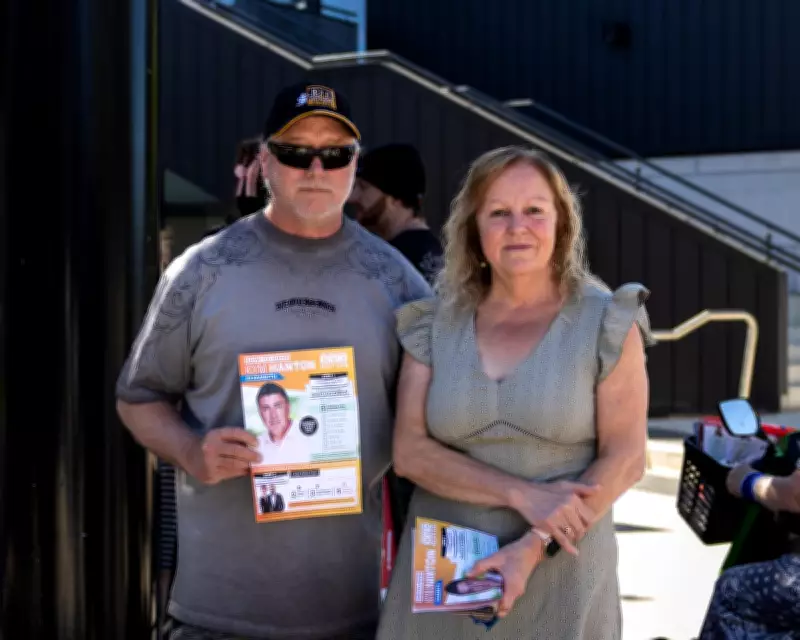
One Nation's appeal spans both Liberal and Labor voters, with the party targeting working-class suburbs like Elizabeth, where it polled over 10% in recent elections. At polling stations, voters like Alana, a 49-year-old former Labor supporter, voiced feelings of being overlooked, stating, "I feel like the little people just get stepped on all the time."
Labor Premier Peter Malinauskas has acknowledged voter frustration, linking it to economic inequality and housing crises, but criticized One Nation as a "policy-free zone." He highlighted contradictions in the party's image, such as Pauline Hanson campaigning via billionaire Gina Rinehart's private jet. Meanwhile, opposition leader Ashton Hurn has opted to avoid direct commentary, leaving One Nation to "row its own canoe."
Cultural Wars and Broader Messaging
Bernardi's campaign has often focused on culture war issues, including opposition to Indigenous voice proposals and criticism of the ABC. However, during the election period, he has shifted emphasis toward cost-of-living concerns, aiming to broaden the party's appeal. This strategic pivot reflects an attempt to resonate with mainstream voters beyond traditional grievance politics.
As South Australians head to the polls, the election serves as a litmus test for One Nation's ability to translate poll momentum into electoral success. Whether the party can overcome its historical associations with racism and internal dysfunction remains a key question, with outcomes likely to influence political strategies nationwide.