One Nation's Political Momentum Defies Controversies in Latest Polling
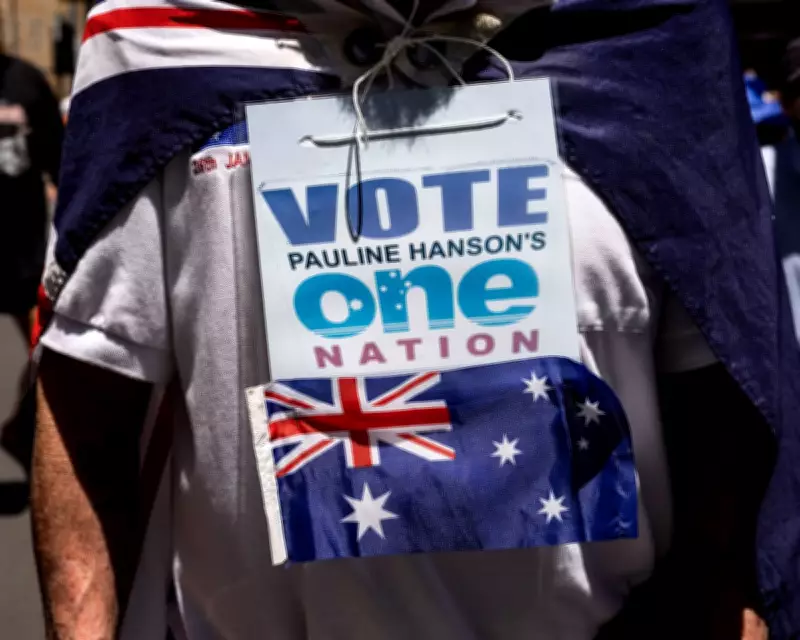
The Guardian Essential poll reveals a striking trend in Australian politics: despite mounting controversies surrounding Pauline Hanson's One Nation party, voter support continues to climb steadily. The survey of 1,002 Australians conducted last week shows nearly 60% of respondents expressing openness to voting for the rightwing populist party in the next federal election.
Polling Numbers Tell a Compelling Story
The latest data indicates One Nation maintaining a solid 22% primary vote, while Labor recorded 30% (down one point from January) and the Coalition ticked up to 26%. Perhaps most concerning for traditional political forces is the breakdown of voter intentions: 25% of all respondents say they would "definitely" back One Nation at the next election, with another 33% saying they're "open" to the possibility. Only 28% firmly reject the party outright.
This represents a dramatic surge from One Nation's 6.4% lower house vote in the May 2025 election to nearly a quarter of voters in current polling. The trend has accelerated since at least October, persisting through multiple controversies including Hanson's inflammatory comments about Muslims, her burqa-wearing Senate stunt, and questions about transparency and her relationship with billionaire Gina Rinehart.

Cross-Party Appeal Raises Political Alarms
The poll reveals startling cross-party appeal for One Nation's message. Among Coalition voters, 17% say they would definitely vote for Hanson's party next time, with 51% expressing openness to doing so. Labor voters show similar patterns, with 12% committed to switching and 33% open to considering One Nation.
Peter Lewis, executive director of Essential Media, warns that traditional political strategies may no longer work. "The approach for 30 years has been to isolate One Nation. These numbers suggest that is no longer a viable strategy for either side of politics," Lewis observed. "With populists gaining traction around the globe, rather than cancelling her we need to understand what is driving her surging popularity."
Leadership Changes Fail to Shift Dynamics
The polling period coincided with Angus Taylor's first full week as Liberal leader following his ousting of former opposition leader Sussan Ley. Despite this leadership change, the Coalition's primary vote remains virtually unchanged. When asked about Taylor's influence, 26% said they'd be more likely to vote Liberal under his leadership, while 19% said less likely.
Prime Minister Anthony Albanese offered his analysis on a recent podcast appearance, suggesting One Nation's rising support reflects "people expressing frustration with the system they think isn't working for them." He contrasted this with his government's focus on cost-of-living support, noting that One Nation has consistently opposed key government policies including legislated penalty rates.
Policy Vacuum and Political Warnings
One Nation's surge occurs despite what critics describe as a lack of workable policy agenda. The party's proposals include deporting 75,000 "illegal immigrants," slashing student and skilled work visas, implementing citizen-initiated referenda for constitutional change, and abolishing several federal agencies including the climate change department and National Indigenous Australians Agency.
Former federal Labor president Wayne Swan has issued repeated warnings about the political landscape, noting the potential for Labor's primary vote to drop below 30% in a preferential voting system. He has emphasized the need for better engagement with lower-income, lower-educated Australians and focusing on basic services like housing, health, and tax reform.
Swan described Labor's 2025 election victory as "wide but shallow," highlighting concerns about declining primary support. His warnings echo growing international trends where rightwing populist movements have gained significant traction despite controversial leadership and policy positions.

The Essential poll results suggest Australian politics may be entering a new phase where traditional party loyalties are weakening and protest voting is becoming more mainstream. As One Nation continues to gain ground, both major parties face the challenge of responding to voter frustrations while maintaining their core principles and policy agendas.