Budget Breach: How a Premature Publication Rocked Westminster
In a dramatic prelude to the Chancellor's statement, the UK's fiscal plans were unexpectedly revealed to the world on Wednesday when the Office for Budget Responsibility accidentally published its complete economic analysis more than 40 minutes before Rachel Reeves was scheduled to deliver her budget speech. The unprecedented leak sent immediate shockwaves through financial markets and Westminster, casting a shadow over one of the government's most important annual events.
Market Reactions and Political Fallout
The crisis began unfolding at 11:41 am on Wednesday when Reuters news agency started publishing alerts containing detailed budget information drawn from the accidentally released documents. Financial markets responded instantly, with sterling jumping by 0.3% and the yield on 10-year UK government bonds initially dropping by four basis points as traders executed billions of pounds in transactions based on the premature information.
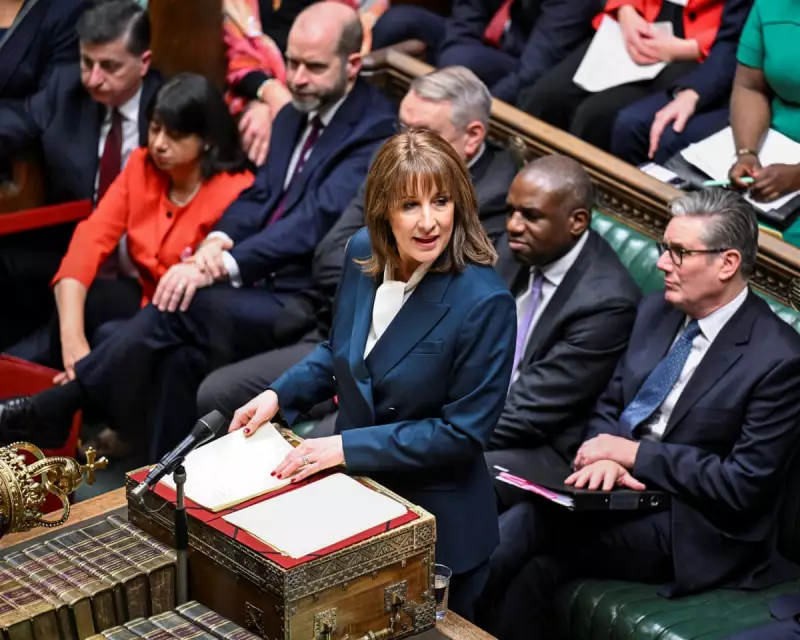
Within the House of Commons, chaos ensued as the scale of the breach became apparent. Chancellor Rachel Reeves was seen checking her phone moments before her speech, while Treasury minister Torsten Bell passed his device along the frontbench and MPs hurriedly shuffled handwritten notes. The atmosphere grew increasingly tense as officials realized the independent budget watchdog had uploaded its critical Economic and Fiscal Outlook report in full on its website well ahead of schedule.
Historical Precedents and Current Investigation
This is not the first time a UK budget has suffered from premature disclosure. The incident echoes several historical breaches, including the 2013 budget when the London Evening Standard tweeted George Osborne's main announcements before his speech, and the notorious 1947 case that forced Labour Chancellor Hugh Dalton to resign after providing budget details to a journalist.
Shadow Chancellor Mel Stride highlighted the seriousness of the current situation by suggesting the leak could "constitute a criminal act" and describing the event as "utterly outrageous" during Commons proceedings. The OBR has since launched an internal investigation, with chair Richard Hughes issuing a humbling apology during a tense Westminster press conference.
Technical analysis reveals that the accidentally published PDF was last modified at 3:10 am on Tuesday 25 November, suggesting the document had been prepared well in advance. Economists close to the OBR criticized the lack of password protection, noting that officials likely created the webpage without realizing people could guess the link.
The breach has provided fresh ammunition for the watchdog's critics within Labour ranks, where the timing of productivity downgrades has caused particular consternation. Some government sources have called for the OBR to be "shut down," while the TUC had previously urged Chancellor Reeves to review whether the organization remains fit for purpose.
Despite the controversy, Reeves's spokesperson confirmed she maintains "full confidence" in Richard Hughes, who has stated he will continue leading the OBR unless he loses the confidence of either the chancellor, the Treasury committee, or parliament. The investigation continues as Westminster assesses the full implications of one of the most significant budget leaks in recent history.