A senior economist at the UK's fiscal watchdog has publicly challenged what he called "misconceptions" spread through anonymous Treasury briefings to the media, stating they were damaging to the institution's reputation.
Setting the Record Straight on Fiscal Forecasts
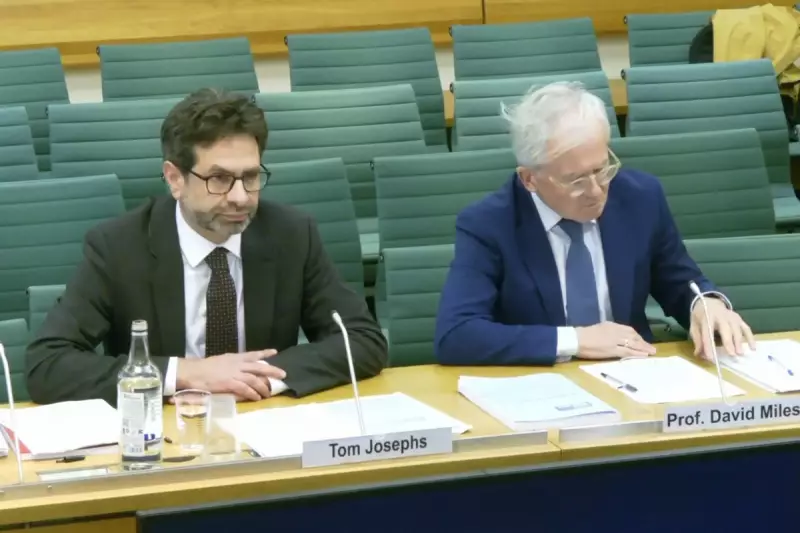
David Miles, a member of the Office for Budget Responsibility's (OBR) Budget Responsibility Committee (BRC), told the Treasury Select Committee of MPs that the watchdog released a detailed letter to clarify the timeline of its fiscal forecasts. This move was a direct response to media reports, including one from Bloomberg on 13 November, which suggested the government's fiscal headroom had swung by around £10bn after 31 October, influencing policy decisions.
Miles, who led the session following the resignation of chair Richard Hughes, emphasised the letter was published to "set the record straight on the process". He strongly rejected the narrative that the OBR had "acceded to pressure" or "helpfully found some money at the last minute" to assist the Treasury.

Addressing the 'Scene Setter' and Market Uncertainty
The economist also addressed Chancellor Rachel Reeves' unusual pre-Budget press conference on 4 November, where she warned of problems with public finances. Miles dismissed suggestions that Reeves had misled the public, interpreting her comments as highlighting the difficult choices ahead. He noted the forecasts showing just £4.2bn in headroom at that point were "wafer thin" and did not include later welfare spending U-turns.
However, Miles acknowledged that uncertainty in the lead-up to the Budget, potentially exacerbated by policy leaks, likely discouraged business investment. "[Uncertainty] may well have been exacerbated by leaks that one day seemed to be suggesting one thing and another day differently," he stated.
Productivity Revisions and Ongoing Scrutiny
Miles further defended the OBR's timing in revising down its productivity trend forecasts by 0.3 percentage points, a move that cost the government an estimated £16bn in headroom. He argued that making such a judgment earlier, amid the "fog of noise" following Covid and the energy crisis, would have been very difficult.
This revision had become a point of contention, with former OBR chiefs reportedly stating Reeves had been warned about the potential downgrade. Despite the strong rebuttal of specific briefings, Miles insisted the OBR was not "at war" with the Treasury, maintaining the need for transparent and accurate fiscal reporting.