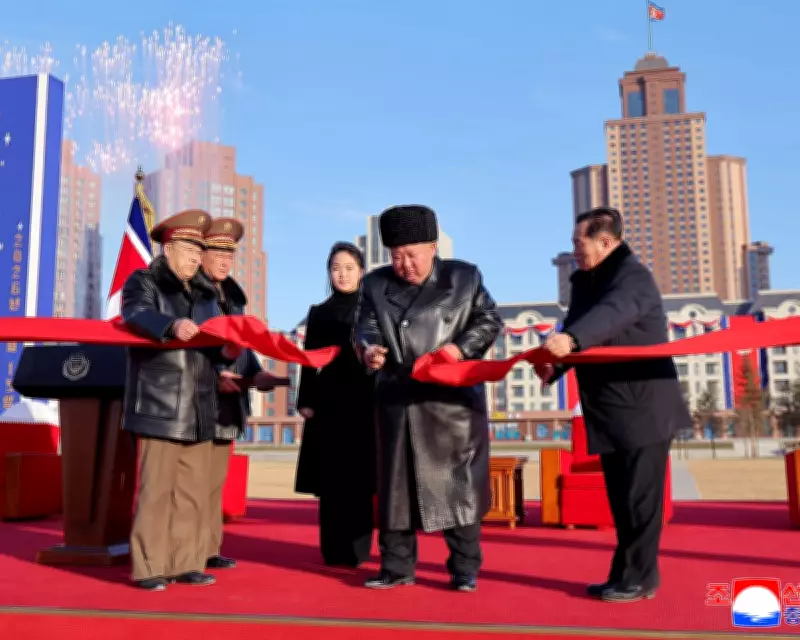
North Korea's Housing Initiative for Ukrainian War Families
In a surprising move, North Korea has unveiled a housing program aimed at providing homes for families displaced by the ongoing conflict in Ukraine. This announcement, made by North Korean state media, has captured global attention and sparked intense debate among international observers and policymakers.
Details of the Housing Program
The program, as described by North Korean officials, involves the construction of new residential units specifically designed to accommodate Ukrainian families affected by the war. According to reports, these housing projects are set to be developed in various regions across North Korea, with an emphasis on creating sustainable and comfortable living environments. The initiative is framed as a humanitarian gesture, with North Korea expressing solidarity with those suffering from the devastation of the conflict.
State media highlighted that the housing units will include essential amenities such as electricity, water supply, and basic furnishings. The program is reportedly part of a broader effort by North Korea to engage in international humanitarian efforts, marking a notable shift in its typically isolated foreign policy stance.

International Reactions and Analysis
The announcement has elicited mixed reactions from the international community. Some analysts view it as a strategic maneuver by North Korea to improve its global image and potentially gain diplomatic leverage. Others express skepticism, questioning the feasibility and sincerity of the initiative given North Korea's own economic challenges and history of human rights concerns.
Experts note that North Korea has faced severe housing shortages domestically, with many citizens living in substandard conditions. This raises questions about the country's capacity to undertake such a large-scale project for foreign families. Additionally, the timing of the announcement, amid ongoing tensions in Ukraine and global geopolitical shifts, adds layers of complexity to the situation.
International organizations and governments are closely monitoring the development, with calls for transparency and verification of North Korea's claims. The initiative could potentially impact diplomatic relations, particularly if it leads to increased interactions between North Korea and other nations involved in the Ukraine conflict.
Broader Implications and Future Outlook
This housing program represents a rare instance of North Korea stepping into an international humanitarian role. If implemented, it could signal a new phase in the country's foreign policy, possibly opening doors for more collaborative efforts on global issues. However, challenges such as logistical hurdles, funding, and international sanctions may pose significant obstacles to the program's success.
Observers are also considering the potential effects on Ukrainian families, who might view this offer with caution due to North Korea's political reputation. The initiative underscores the interconnected nature of global crises, where housing and displacement issues transcend national borders and involve unexpected actors.
As the situation evolves, further details are expected to emerge regarding the scale, timeline, and implementation of the housing program. The international community remains watchful, assessing whether this move will lead to tangible benefits for displaced families or remain a symbolic gesture in the complex landscape of international relations.