Revealed: How the Department of Health Manipulated Strike Poll Data
The Department of Health faces serious allegations of manipulating public opinion after evidence emerged that it selectively briefed newspaper journalists with misleading polling data about junior doctor strike support. The controversy centres on a Savanta poll commissioned by the department itself ahead of the five-day NHS strikes that began on 14 November 2025.
The Misleading Headline That Started It All
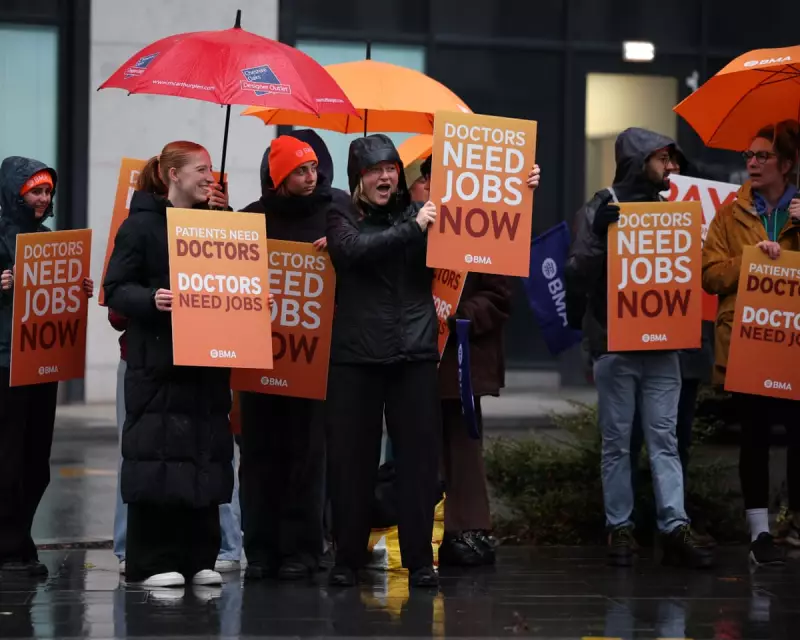
As resident doctors began picketing outside the Royal Liverpool University Hospital and other NHS facilities, The Times published a front-page story claiming "Five days of NHS strikes opposed by most doctors." The article, citing Health Secretary Wes Streeting, asserted the British Medical Association was acting "against the wishes" of its members. However, the complete polling data reveals a strikingly different picture.
The Savanta survey actually showed overwhelming support for the industrial action among junior doctors. When directly asked whether they supported or opposed the strike, 69% of doctors expressed support with only 12% opposed. These crucial figures were conspicuously absent from The Times' coverage.
Instead, the newspaper reported responses to a separate question that presented hypothetical government concessions, creating the false impression that most doctors opposed the current strike action.
Transparency Victory as Full Poll Emerges
The truth only emerged six days later thanks to the intervention of the British Polling Council, which requires member companies like Savanta to maintain transparency standards. Former YouGov chairman Peter Kellner, who helped establish the council two decades ago, revealed that the Department of Health had commissioned the poll and deliberately withheld the unfavourable results.
"The department wanted a propaganda win as the strike started," Kellner stated. "So it gave The Times the results for Q10 and withheld the results for Q9."
The delayed publication of the complete data has raised serious questions about government transparency and the manipulation of public information. Kellner has called for a full investigation into who within the Department of Health authorised the selective briefing and whether ministerial approval was obtained.
Broader Implications for Democratic Accountability
This incident highlights growing concerns about how government departments use privately commissioned polling data. Unlike statistics from independent bodies like the Office for National Statistics, which follow strict publication protocols, privately commissioned polls can be selectively released to serve political agendas.
Kellner argues for fundamental reform: "The general rule, subject to clearly defined exceptions, should be that what the government knows about what we think, we should know too."
Despite his personal opposition to the doctors' strike, Kellner emphasised the importance of truthful representation: "In an era when populism feeds on distrust of mainstream politicians, we should object when the truth is twisted, even in favour of a cause we agree with."
The controversy continues to develop as pressure mounts on the Department of Health to explain its handling of the poll data and provide assurances about future transparency in government communications.