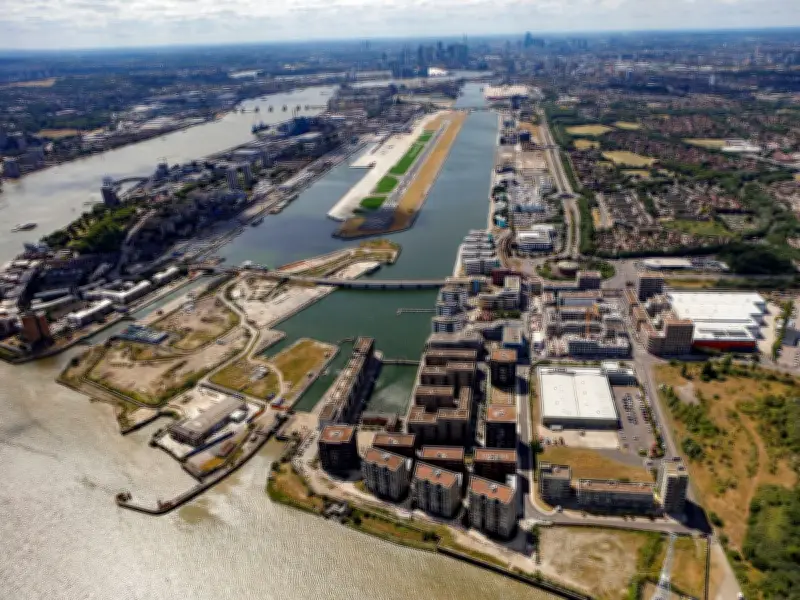
The new combined Smithfield and Billingsgate market is projected to be fully complete and operational by 2029, with traders expected to vacate existing sites and move to Albert Island in Newham's Royal Docks within the next three years. The City of London Corporation, which owns the markets, has stated the scheme will contribute billions in economic growth and create a win-win for traders and Londoners.
Background and Previous Plans
The Albert Island proposal is not the first relocation attempt. A previous plan to move the markets to Dagenham was cancelled in November 2024 primarily due to ballooning costs, which had reached around £1 billion. Following that cancellation, members agreed not only to cancel the project but for the local authority to stop running the markets altogether. The Corporation has continued to support traders in securing a new base and agreed a hefty compensation package, though it will no longer oversee market management after the move.
Legal and Parliamentary Process
The decision relies on Royal Assent being granted to a Private Bill, submitted to Parliament shortly after the 2024 meeting and currently progressing through the House of Commons. Three petitions were filed opposing the Bill; two were refused for failing to meet strict requirements. The third, by food poverty charity Bags of Taste on behalf of Ridley Road Market fishmongers and customers, raised concerns about the relocation's impact.

At an Opposed Bill Committee, Richard Turney KC, the Corporation’s legal counsel, told MPs: “There is almost universal acceptance that the sites are no longer fit for purpose… the traders and the Corporation… have recognised for some years the practical reality that these markets cannot continue where they are.” He added that the Billingsgate site in Poplar has always been a “compromise” and that Smithfield requires heavy goods vehicles to access an increasingly congested location. Mr Turney said the Dagenham option failed as it was “neither affordable nor the right solution”, reiterating support for Albert Island.
“Only parliament can remove the market restrictions on the current sites,” he said. “Unless the market restrictions are removed there is no scope for the sites to be released for their intended uses. If the sites cannot be released for those uses then the Corporation cannot pay for the surrender of the market leases and the funding for the move falls away.”
Timeline and Trader Concerns
Chris Bonner, Director of Regeneration and Development at the Corporation, revealed that assuming the Bill receives Royal Assent by mid-2027, the new combined market will be fully fitted out and operational in 2029. This is based on traders having two years to vacate existing sites and for the new market to be built. If delays occur, parties are committed to discuss how to proceed. If the new market finishes early, traders can relocate upon completion.
Mr Bonner said: “This programme is about futureproofing London’s wholesale food system, supporting traders to modernise and thrive, and unlocking enormous public benefit from the existing and historic sites.”
Greg Lawrence, Chairman of Smithfield Market Tenants’ Association and a Corporation member who has worked at the market for 60 years, said: “As it stands today it would be impossible for us to stay on the site we are on now. Firstly, there’s no room for anyone to expand or grow… And perhaps more importantly there’s road closures all round the market. The suppliers… would be reluctant to deliver to Smithfield Market because of the congestion.”

Zahaab Amjad, son of the owner of PM Prime Fish, one of the petitioners, said fishmongers have two concerns: a potential gap in sourcing produce if Billingsgate closes before the new market is finished, and fears it may never be built. “These businesses rely on Billingsgate, going there three or more times per week to supply,” he said. “Without it they would have to close. One of the owners stated he would end up on benefits with no other options.” Mr Amjad noted the lack of a legal guarantee that a new market will be constructed, especially given the cancelled Dagenham plan, has left petitioners anxious. “We are not here to obstruct the market's future. We are here because of who bears the cost if that future is delayed.” He added: “The fishmongers are not afraid of change. They are afraid of a real, unaccounted-for risk in this transition.”
Next Steps and Future Developments
Committee Chair Matt Turmaine MP asked if the Corporation would engage with fishmongers to discuss support if a delay occurs, to which Mr Turney confirmed it would. The Bill will now proceed to the report stage, the last opportunity for MPs to propose amendments, with a date yet to be announced. Both existing sites—Smithfield in the Square Mile and Billingsgate by Canary Wharf—are earmarked for major redevelopments. The new London Museum, opening in November 2026, will form part of cultural and commercial offerings around Smithfield. Billingsgate is expected to deliver thousands of homes, with Tower Hamlets designating it suitable for tall buildings.