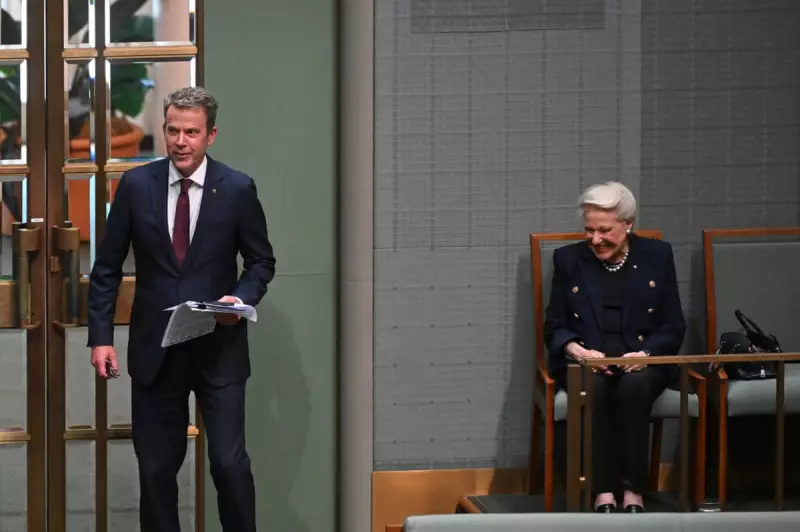
Fresh behaviour standards introduced to clean up Parliament's culture have failed to curb bullying during the often-chaotic Question Time sessions, according to frustrated crossbench MPs.
The new code of conduct, which came into effect on Monday, was designed to establish clearer expectations for behaviour within the parliamentary precinct. However, multiple independent and minor party representatives report that the aggressive and intimidating atmosphere during ministers' questions remains largely unchanged.
Persistent Problems in the Chamber
Despite the formal adoption of new standards, the reality within the chamber tells a different story. Crossbenchers allege that bullying conduct continues unabated, with government ministers particularly cited for maintaining a hostile environment.

One MP described the situation as particularly challenging for newer members and those from smaller parties who lack the institutional backing of major political machines. The very structure of Question Time, with its combative format, appears to undermine the spirit of the new conduct rules.
The New Standards Framework
The recently implemented behaviour standards represent Parliament's latest attempt to address long-standing concerns about workplace culture. Developed following extensive consultation, the framework outlines expected standards of behaviour for everyone operating within the parliamentary environment.
However, the gap between policy and practice has become immediately apparent. The rules themselves contain robust language about respect and professionalism, but enforcement during the heat of political combat proves challenging.
Several MPs have pointed to specific incidents occurring just days after the standards took effect, suggesting that without stronger accountability measures, the document remains largely symbolic.
Calls for Genuine Cultural Change
Critics argue that the persistence of bullying behaviour highlights the need for more than just written policies. What's required is a fundamental shift in parliamentary culture, particularly around the traditionally adversarial Question Time format.
Many crossbenchers now question whether meaningful change can occur while the current dynamics of political engagement remain unchanged. The very nature of parliamentary debate, with its emphasis on scoring points rather than constructive discussion, may inherently undermine conduct improvements.
There are growing calls for the behaviour standards to be backed by clearer consequences for violations and independent mechanisms for addressing complaints. Without these elements, MPs fear the new rules will join previous attempts at reform that failed to transform the actual experience of working in Parliament.
The situation raises broader questions about whether Britain's political institutions can adapt to modern expectations of workplace conduct while maintaining their traditional functions and character.