Police Declare Canberra Music Venue Crime Scene Over Controversial Art Display
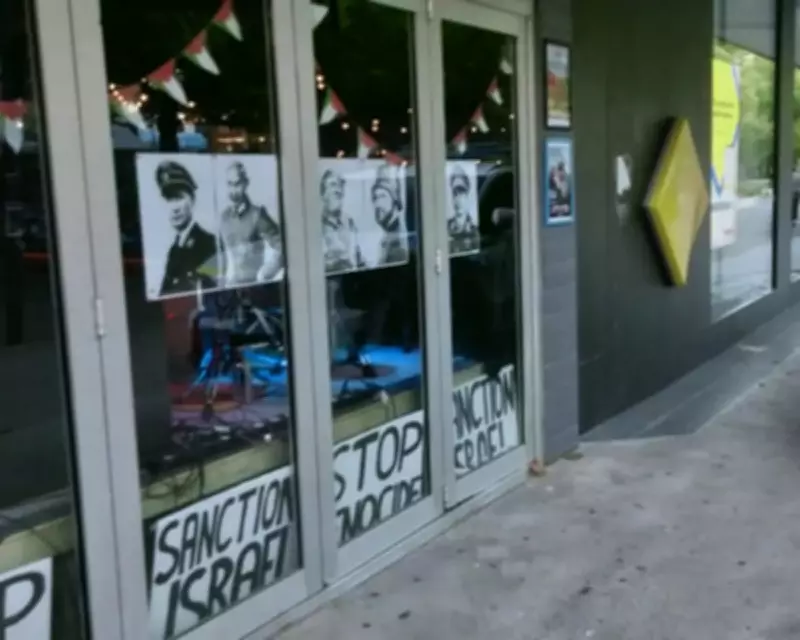
Australian Capital Territory police have seized five provocative art posters from a popular Canberra music venue and bar, declaring the establishment a crime scene while launching a formal investigation. The posters, which depicted prominent global figures including former US President Donald Trump, billionaire entrepreneur Elon Musk, and Israeli Prime Minister Benjamin Netanyahu wearing Nazi-era uniforms, were removed from Dissent Cafe and Bar following complaints about their content.
Hate Symbol Legislation Triggered Following Bondi Terror Attack Response
The police action comes under recently enacted hate symbol laws that were implemented in direct response to the Bondi terror attack. Authorities confirmed the five seized posters will undergo thorough examination to determine whether criminal charges should be filed against the venue or individuals involved in displaying the controversial artwork. The investigation represents one of the first major tests of Australia's strengthened hate symbol legislation.
"We are treating this matter with the utmost seriousness," an ACT police spokesperson stated. "The legislation exists to protect our community from symbols that promote hatred and violence, and we will apply it appropriately based on our investigation findings."
Venue Owner Defends Display as Anti-Fascist Statement
David Howe, proprietor of Dissent cafe, defended the controversial display as an intentional "anti-fascist statement" rather than an endorsement of Nazi ideology. Howe explained that the artwork was meant to provoke discussion about contemporary political leadership and historical parallels, though he acknowledged the potentially offensive nature of the imagery.
ACT Senator David Pocock weighed in on the controversy, emphasizing the delicate balance between preventing hate speech and protecting legitimate protest. "It's crucial that police effectively protect our community against hate and prohibited symbols while simultaneously permitting peaceful protest and artistic expression," Pocock commented, highlighting the complex intersection of free speech and hate crime legislation.
Broader Context of Political and Social Tensions
The incident occurs against a backdrop of heightened political tensions both domestically and internationally. Recent parliamentary debates have seen Labor MPs warning against what they describe as chasing One Nation down a "racist rabbit hole," while international conflicts continue to spark heated discussions about appropriate political discourse and protest methods.
Meanwhile, unrelated but significant environmental and social issues continue to dominate headlines, including Wellington's sewage crisis described as a "catastrophe" with millions of litres of raw waste entering ocean waters, and property development controversies involving threatened black cockatoo habitats in Western Australia.
Legal Precedent and Community Impact
Legal experts suggest this case could establish important precedents for how Australia's hate symbol laws are interpreted and enforced. The legislation, designed to combat extremist symbolism while respecting artistic and political expression, faces its first major public test with this high-profile seizure.
Community reactions have been mixed, with some residents supporting the police action as necessary protection against hateful imagery, while others express concern about potential overreach that might stifle legitimate political commentary and artistic expression. The investigation's outcome is being closely watched by civil liberties organizations, artistic communities, and legal experts nationwide.
As authorities continue their examination of the seized materials, the Canberra arts community awaits clarification on where the line between provocative political art and prohibited hate symbols will be drawn under Australia's new legal framework.