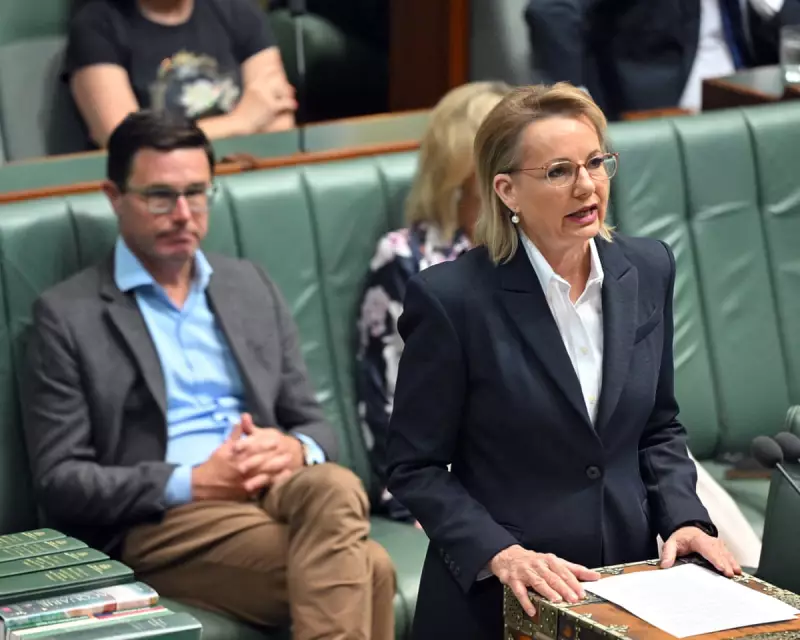
In a significant political development, three Nationals frontbenchers have tendered their resignations after violating shadow cabinet solidarity rules by voting against Labor's contentious hate speech bill. The opposition leader, Sussan Ley, confirmed on Wednesday afternoon that she had accepted the resignations of Bridget McKenzie, Ross Cadell, and Susan McDonald, who will now move to the backbench.
Shadow Cabinet Solidarity Enforced
Ley underscored the critical importance of maintaining a cohesive Coalition, stating that shadow cabinet solidarity is not optional but fundamental to a credible opposition and future government. She remarked, "Maintaining a strong and functioning Coalition is in the national interest. The Coalition exists to serve the Australian people. But shadow cabinet solidarity is not optional. It is the foundation of serious opposition and credible government." This move marks the latest in a series of high-profile departures from the Coalition, highlighting internal tensions over legislative matters.
Labor's Stance on Further Protections
Meanwhile, the prime minister clarified earlier today that Labor has no intentions to introduce additional legal safeguards for religious groups, individuals with disabilities, and LGBTQ+ Australians following a protracted parliamentary debate this week. He attributed this decision to a lack of parliamentary support, succinctly noting, "It's a matter of maths, and there is not support for it." This statement comes amid ongoing discussions about hate speech laws and their implications for minority communities.

Broader Context and Implications
The resignations reflect broader challenges within the Coalition as it navigates complex policy issues and internal dissent. By enforcing solidarity rules, Ley aims to project a united front ahead of future elections, though this incident may fuel further debate about party discipline and free voting in Australian politics. The departure of these frontbenchers could reshape the Nationals' influence within the Coalition and impact legislative strategies moving forward.
As the political landscape evolves, this event underscores the delicate balance between party loyalty and individual conscience in parliamentary systems, with potential ramifications for both the opposition's effectiveness and public perception of Coalition unity.