Lisa Nandy Confronts Labour's 'Unforgivable' Week Amid Epstein-Mandelson Scandal
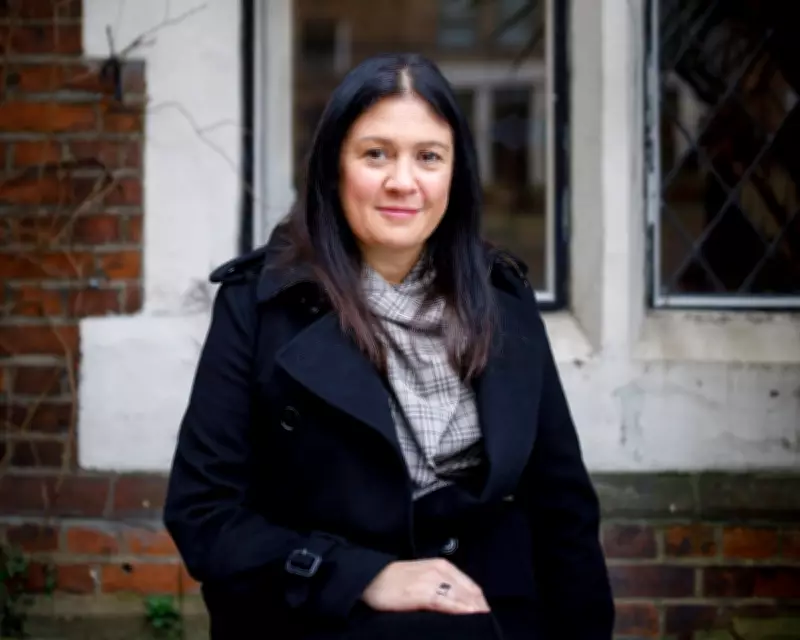
In the hushed corridors of 100 Parliament Street, home to the Department for Culture, Media and Sport, Culture Secretary Lisa Nandy reflects on a near-death experience for the Labour government. Just days after Prime Minister Keir Starmer faced calls for resignation, Nandy remains surprisingly upbeat, but her words carry a sharp edge of critique and urgency.
A Government in Shock and the Culture of Change
Nandy, the Labour MP for Wigan, welcomes visitors to her office adorned with cultural symbols: a Hamlet poster, a painting of a Burnley ginnel, and a sculpture quoting George Bernard Shaw. Sport is represented by a football from Bury FC, a nod to her role in establishing the Independent Football Regulator. Yet, the media aspect of her portfolio feels less visible, amid ongoing BBC crises and online regulation battles.
She points to a framed photo of Tessa Jowell, her mentor and predecessor, recalling how Jowell guided her from being a "proper awkward sod" on the backbenches to a cabinet role. Nandy admits to a "soft left" stance, rejecting labels that make her sound "like a jellyfish." Her background—raised in a political family, shaped by racism and limited opportunities—fuels her drive for systemic change.

The Epstein Files and a System Rigged Against the Many
The conversation turns to the scandal involving Peter Mandelson, the US ambassador accused of sharing confidential information with convicted sex offender Jeffrey Epstein. Nandy doesn't mince words: "You call it a shitshow, I say it's unforgivable." She argues that the Epstein files expose a global network of powerful, wealthy individuals who "control the system, look after their own interests, and screw everyone else."
This, she insists, is a moment of reckoning for Labour. The party must move beyond redistributing wealth to addressing who holds power. "We've forgotten that our job is about who holds power," she says, emphasizing the need to break up entrenched networks that dominate British institutions.
Rebalancing Britain: From Arts Funding to Youth Empowerment
Nandy highlights concrete steps her department is taking, such as redirecting arts funding from London to communities nationwide, ensuring "the whole country has something to contribute." She also points to youth hubs where young people make decisions, exemplifying her vision of redistributing power. "We're putting people back in charge of their own lives and their own destiny," she asserts.
However, she acknowledges Labour's struggles with messaging and hope. The government, she admits, has acted like "a government of national emergency" rather than a bold Labour administration. To win back voters, she says, Labour must "wear our colours on our sleeves again" and demonstrate why it alone can fix broken systems.
Internal Criticisms and a Call for Solidarity
Nandy faces criticism for being invisible in her media role, but she dismisses it, citing unfair briefings against her. "I've been criticised for not being a cellist, and for coming from Wigan," she laughs. Her focus, she stresses, is on those "who aren't in here"—the disregarded and disrespected across the country.
She calls for an end to internal plotting and a return to teamwork, invoking the civil rights movement: "It takes a movement to create change." Despite leadership rumors—she ran against Starmer in 2020—she denies any maneuvers, emphasizing collective responsibility.
Looking Ahead: Survival and Hope in the Face of Fascism
As the interview wraps up, Nandy expresses confidence in the government's survival, citing Monday's cabinet rally. But she warns of a greater threat: "We are staring down the barrel of a fascist government for the first time in British history." Labour, she argues, must offer not just anger but vision and hope, rebalancing the country in favor of ordinary people.
In her final pitch, Nandy reiterates her commitment to fighting for those unseen and unheard, from football fans to young people in youth hubs. "I wake up every day and fight for them," she says, leaving no doubt about her priorities in a turbulent political landscape.