MPs Shatter Royal Protocol in Unprecedented Commons Debate
If you find a quiet corner within the Palace of Westminster, you might detect a faint creaking sound. While the building itself desperately requires refurbishment—a project likely to span decades and cost billions—another British institution appeared equally fragile this week. Yesterday, from the press gallery of the House of Commons, I witnessed something nearly unprecedented: a parliamentary debate focusing directly on a member of the royal family, with MPs united in their condemnation.
A Rare Departure from Tradition
One by one, MPs rose to speak their minds. The Liberal Democrats, who had tabled the motion, filled their benches, while the rest of the chamber, though somewhat sparse, buzzed with a spirited atmosphere as each member eagerly awaited their turn. According to the official guide to Parliamentary practice, which currently rests on my lap, "reflections must not be cast in debate upon the conduct of members of the royal family" except in very specific circumstances.
This rare opportunity reportedly arose because Speaker Lindsay Hoyle determined that Andrew Mountbatten-Windsor's formal pariah status means he no longer enjoys the same protections as a fully recognized royal. Seizing this opening, MPs truly let loose.

Scathing Criticism from the Government Bench
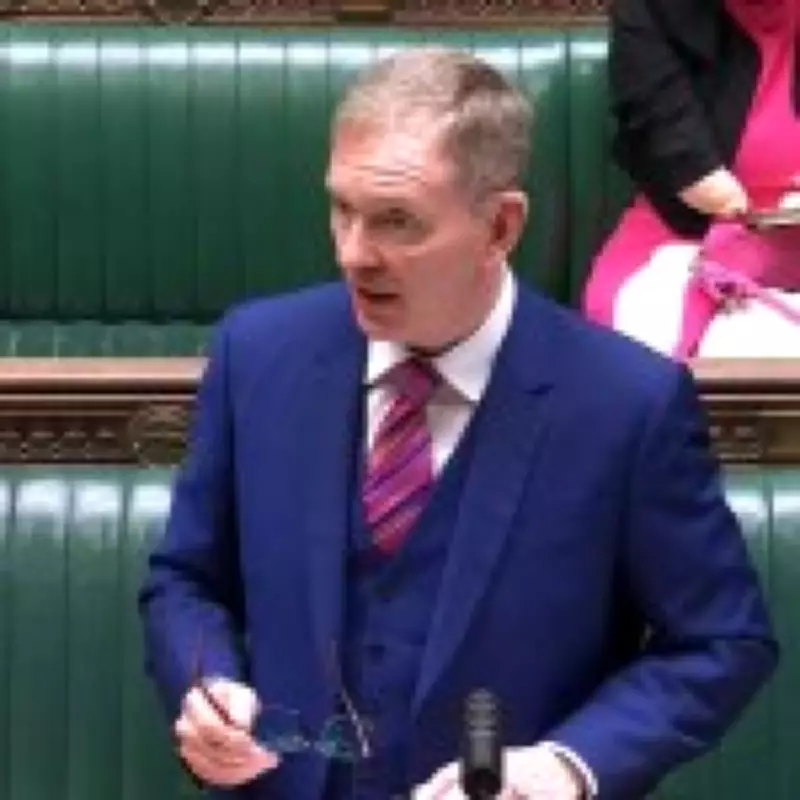
Trade Minister Sir Chris Bryant, speaking on behalf of the government, declared that Prince Andrew is widely viewed as "a rude, arrogant and entitled man who could not distinguish between the public interest, which he said he serves, and his own private interest." Amid the barrage of criticism, frequent complaints emerged that such discussions are typically forbidden in the House of Commons—a place where holding power accountable is fundamentally its purpose.
The rule prohibiting reflections on royal conduct exemplifies the old traditions underpinning the British Parliament. Some find these often arcane and quirky customs charming; others consider them tiresome. It felt poetic that one of these traditions—deemed particularly egregious by many MPs who spoke yesterday—would be shaken during a debate centered on Jeffrey Epstein.
The Epstein Affair and Institutional Rot
More than any other scandal in recent memory, the Epstein affair has exposed the depravity lurking among the global elite. Files released over the past six months reveal a world where wealthy and powerful individuals worldwide commit crimes with impunity, confident they will evade consequences. On Tuesday, Liberal Democrat leader Sir Ed Davey spoke of a "rot that eats away at the British establishment."
This scandal has prompted profound questions about who wields power, what legitimizes that authority, and how it is exercised. When the official guide to Parliamentary practice was first published in the 1840s, nearly every Prime Minister sat in the House of Lords, many as hereditary peers. It was an era when the ruling class received unquestioning loyalty and operated free from constraints. Clearly, we no longer inhabit that world.
A Watershed Moment in Parliamentary History
The debate represents a significant departure from centuries of protocol, highlighting shifting attitudes toward accountability and transparency within British institutions. As MPs continue to grapple with these issues, the echoes of this unprecedented session will likely resonate through Westminster for years to come, challenging long-held norms and reshaping the relationship between Parliament and the monarchy.