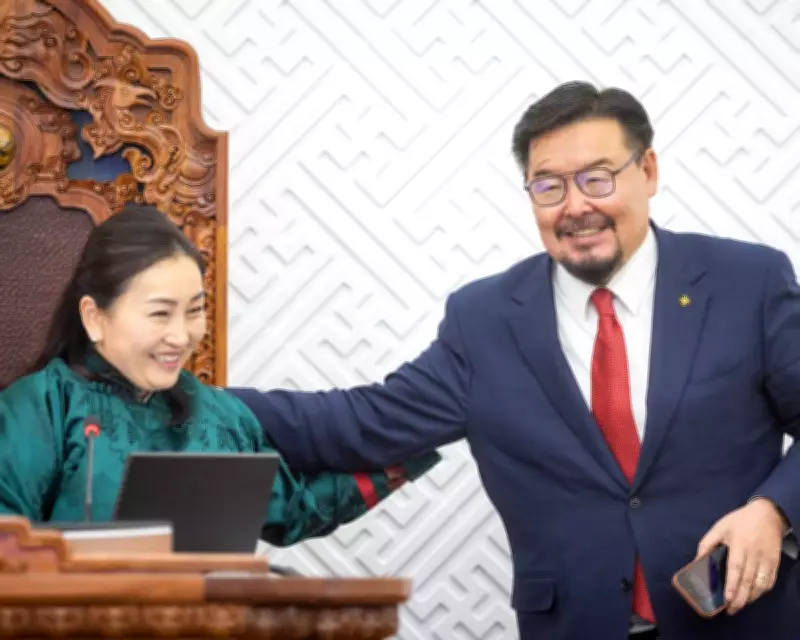
Mongolian Politicians Face Severe Jail Terms After Parliamentary Vote
In a dramatic escalation of political tensions, several young Mongolian politicians, including prominent women leaders, are confronting the possibility of lengthy prison sentences for their involvement in a parliamentary vote that called for Prime Minister Zandanshatar Gombojav to resign. The situation has ignited widespread concerns about a potential slide toward authoritarianism in one of the region's few democracies.
Charges and Allegations
The former deputy speaker of parliament, Bulgantuya Khürelbaatar, who holds a Yale education, revealed she is facing charges that could result in 12 to 20 years of imprisonment. She has been accused of "an organized effort to unlawfully seize or retain state power," a charge she describes as absurd and without precedent in Mongolia's history. Additionally, she has been subjected to travel bans and movement restrictions within the country, with the state intelligence agency playing a key role in the prosecution.
Background of the Dispute
The controversy stems from a parliamentary vote held in October 2025, where a majority of MPs voted for Prime Minister Zandanshatar Gombojav to step down, merely four months into his tenure. This vote was centered on disputes over changes to the mineral exporters tax regime, which critics argued would favor wealthy exporters at the expense of state revenue. Bulgantuya, who chaired the vote, insists the procedure followed established precedents, including a similar vote in 2021.

However, President Ukhnaagiin Khürelsükh, an ally of the prime minister, vetoed the parliament's decision. Concurrently, the prime minister's cabinet secretary appealed to Mongolia's constitutional court, which ruled that the vote used an incorrect formula and that the quorum count was manipulated. This ruling was final and not subject to appeal.
Legal and Political Fallout
Bulgantuya was given less than two days to prepare her defense in a hearing that largely occurred behind closed doors, and she claims she was denied the right to legal counsel. She argues that the charges are baseless, stating, "It is absurd to claim that I have tried to seize state power when state power lies with the parliament, and I was fulfilling the wishes of the parliament." Her legal team emphasized that parliamentary supremacy is a cornerstone of Mongolia's constitutional democracy.
As a result of the charges, Bulgantuya has been forced to resign as deputy speaker and expelled from the ruling Mongolia People's party (MPP). In a further move, President Khurelsükh has tabled a draft bill to strip immunity from MPs deemed to have acted unethically by their party.
Broader Implications for Democracy
Enkhbat Bolormaa, another parliamentary critic and Mongolia's first female governor, warned that this case is a critical test for the country's democracy and constitution. She stated, "What we did was hold the prime minister accountable for granting unlawful tax concessions to a handful of powerful mining conglomerates, and we are now being silenced for it."
The inter-parliamentary union human rights body has filed a complaint, alleging that power is being centralized in the executive, leading to intimidation and retaliation against reform-oriented, independent-minded parliamentarians, particularly younger ones.
Historical Context and Leadership Instability
Mongolia has a history of political instability, with frequent leadership changes. In three decades of democracy, only two governments have completed full four-year terms, with administrations lasting an average of 1.8 years. The previous prime minister, Oyun-Erdene Luvsannamsrai, resigned last summer after anti-corruption protests led to a loss of confidence. He recently questioned the charges against Bulgantuya, asking, "If leading a parliamentary meeting turns you into a criminal, do we even need parliamentary democracy?"

This ongoing factional power struggle within the MPP, fueled by allegations of political corruption in the mineral-rich nation, threatens to weaken Mongolia as it navigates an independent foreign policy amid pressures from neighboring Russia and China. The case highlights a generational divide, with younger reformists, including those educated abroad, challenging the traditional leadership, raising alarms about the future of democratic governance in the country.