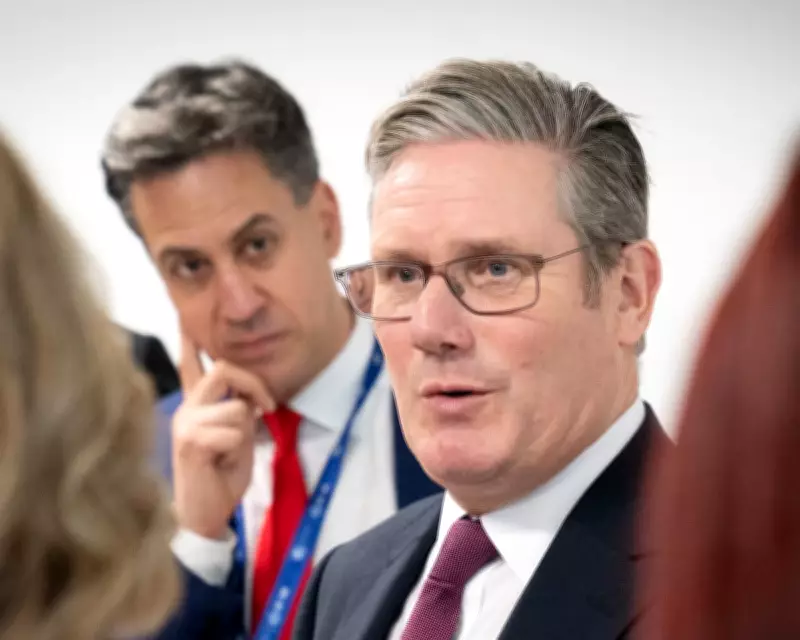
Ed Miliband's Calming Presence Amid Labour's Leadership Turmoil
In the midst of Labour's recent leadership crisis, one figure has emerged as a surprisingly steadying influence: Ed Miliband. The former party leader turned energy secretary has positioned himself as a crucial stabilising force within Keir Starmer's cabinet, bringing a unique perspective shaped by his own experiences at the helm.
The Reluctant Power Broker
What sets Miliband apart from many of his cabinet colleagues is his complete lack of ambition for the top job. Having experienced the brutal realities of leadership during his own tenure, he has no desire to return to that pressure cooker environment. This detachment gives him a credibility that more ambitious ministers struggle to match. As one Westminster observer noted, Miliband's contentment with his current role allows him to speak with an authority that comes from having survived political catastrophe and emerged wiser.
When the leadership crisis reached its peak, it was Miliband who took to the airwaves to deliver measured assessments rather than dramatic pronouncements. His appearance on BBC's Today programme presented a nuanced view of the situation, acknowledging the genuine nature of the crisis while emphasising the collective responsibility of Labour MPs to maintain stability.

A Delicate Balancing Act
Miliband's approach represents a sophisticated political balancing act. Publicly, he offers support to Starmer, praising the leader's "bold and passionate" speech to the parliamentary party and emphasising their fifteen-year friendship. Yet beneath this surface loyalty runs a subtle undercurrent of cabinet influence. There's a recognition that Starmer's position depends heavily on continued cabinet support, creating what some describe as a "transactional" relationship at the heart of government.
The energy secretary's interventions carry particular weight because they come from someone who understands leadership pressures intimately. His reminder to colleagues about the dangers of removing a leader without a clear successor reflects hard-won wisdom from his own political journey. This perspective resonates with backbench MPs nervously eyeing their own electoral prospects.
The Reality Behind the Rhetoric
While publicly supporting Starmer's renewed commitment to tackling class divides and governing for the powerless, Miliband operates with a clear understanding of power dynamics. The description of Starmer as "the leader who thought he was driving the driverless DLR" captures the complex reality of contemporary Labour leadership. Miliband appears content to allow Starmer the appearance of control while ensuring cabinet influence remains substantial.
This arrangement serves multiple purposes: it maintains party unity, avoids the turmoil of leadership contests, and allows policy development to continue. Miliband's subtle positioning enables him to advocate for "Labour things" - his policy priorities - without needing the trappings of highest office.
Future Challenges and Cabinet Dynamics
The leadership crisis may have temporarily subsided, but underlying tensions remain. Figures like Wes Streeting continue to navigate their own ambitions within the party structure. Miliband's gentle criticism of those making the crisis "all about their own ambitions" serves as both warning and positioning within internal party dynamics.
As Labour looks toward future electoral challenges, Miliband's role as experienced stabiliser becomes increasingly valuable. His ability to bridge different factions within the party, combined with his lack of leadership ambition, creates a unique position of influence. The coming months will test whether this delicate balance can be maintained through inevitable future crises.
What emerges from recent events is a picture of modern political leadership where formal authority and actual influence don't always align perfectly. Miliband's approach suggests that sometimes the most effective power lies not in seeking the top job, but in understanding how to work effectively within complex political structures while pursuing substantive policy goals.