Metropolitan Police Reverses Course, Will Resume Arrests for Palestine Action Support
The Metropolitan Police has declared it will resume arresting individuals who show support for Palestine Action, a direct action group, just weeks after stating it would halt such arrests following a high court ruling that deemed the ban on the group unlawful. This reversal comes as Home Secretary Shabana Mahmood prepares an appeal against the court's decision, with the ban remaining in effect pending the outcome.
High Court Ruling and Immediate Aftermath
On 13 February, the high court in London ruled that the proscription of Palestine Action was unlawful, leading the Met police to announce it would immediately cease arrests under the Terrorism Act for offences related to supporting the group. Initially, the police indicated they would gather evidence for potential future prosecutions instead. However, this position has now been revised, with Deputy Assistant Commissioner James Harman describing the earlier statement as an "interim position."
Enforcement Approach Revised
In a statement on Wednesday, Harman explained that while the high court found the proscription unlawful, the judgment's impact will not take effect until the government's appeal is considered, which could take many months. "That means it is still a criminal offence to support Palestine Action," Harman said. "We must enforce the law as it is at the time, not as it might be at a future date. We must do that consistently and without fear or favour."

The appeal by Home Secretary Shabana Mahmood is scheduled to be heard at the Court of Appeal on 28 and 29 April. Harman noted that the Met was forced to take an immediate view after the ruling due to protesters outside the court engaging in displays of support for Palestine Action, and uncertainty over whether Mahmood would be granted permission to appeal or if proscription would be lifted pending the appeal.
Legal and Protest Context
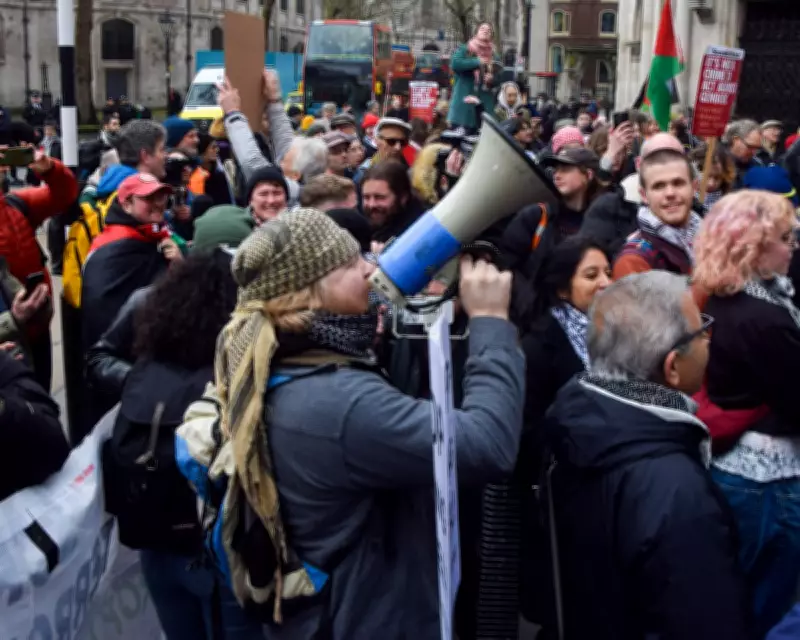
Defend Our Juries (DOJ), which organised protests where many of the over 2,500 people arrested for alleged support of Palestine Action were detained, wrote to Met Commissioner Sir Mark Rowley last week after a woman was arrested in London on 15 March for holding a sign stating: "I still oppose genocide. I still support Palestine Action." DOJ had previously announced plans for a mass vigil on 11 April, highlighting ongoing tensions.
Hunger Strike Allegations and Medical Negligence Claims
In related developments, Palestine Action-affiliated protesters who went on hunger strike while in prison awaiting trial have raised concerns about alleged medical negligence. At a press conference in London, Heba Muraisi, who endured a 73-day hunger strike—the longest among the protesters—claimed she was not given electrolytes and only received vitamins after 30 days. Qesser Zuhrah, who fasted for 48 days, said she did not receive electrolytes until day 20 and had them withdrawn after collapsing on day 42.
Kamran Ahmed, who participated in a 66-day hunger strike, reported ongoing chest pains and shortness of breath, while others mentioned neurological issues. "The main takeaway is that all of us are suffering with trauma from the hunger strike," Ahmed stated. "Everyone who went through the hunger strike was dehumanised, there was medical negligence that took place."
A government spokesperson responded to these allegations, asserting: "All individuals were managed in line with longstanding policy while in prison. This includes regular checks by medical professionals, heart monitoring and blood tests, and support to help them eat and drink again. If deemed appropriate by healthcare teams, prisoners were taken to hospital."
Broader Implications and Future Outlook
This situation underscores the complex interplay between legal rulings, law enforcement practices, and civil liberties in the UK. The Met's decision to resume arrests reflects a cautious approach to maintaining order while legal processes unfold, but it has sparked criticism from advocacy groups concerned about free speech and protest rights. As the appeal proceeds, the outcome could have significant ramifications for how similar cases are handled in the future, potentially influencing policies on terrorism-related offences and public demonstrations.