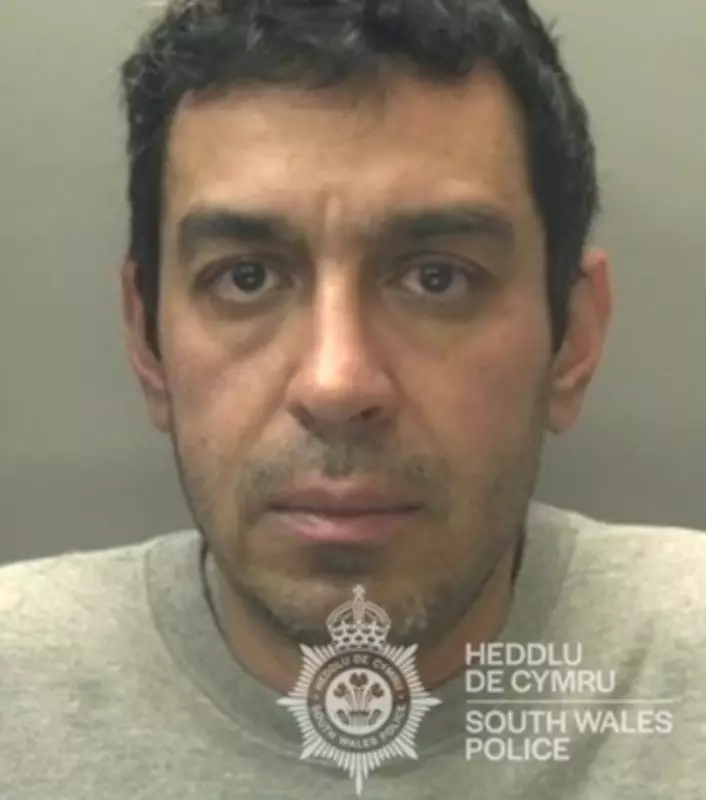
Man Receives Life Sentence for Ex-Wife's Murder and Garden Burial
A Cardiff man has been sentenced to life imprisonment with a minimum term of twenty-six years for the brutal murder of his ex-wife, whose body was discovered buried in the garden of their former family home. Alireza Askari, aged forty-two, admitted to killing thirty-seven-year-old Paria Veisi in what the judge described as a "cold-blooded murder" motivated by her decision to leave him and seek a divorce.
Grisly Discovery in Penylan Garden
Police uncovered Veisi's body buried in a makeshift grave concealed beneath patio slabs, soil, and freshly planted flowers in the rear garden of the Penylan property the couple previously shared. The discovery came after a concerned friend reported Veisi missing to South Wales Police, expressing fears that she was being held against her will by her ex-husband.
Justice Stacey, presiding over the case at Cardiff Crown Court, handed down the life sentence with a minimum twenty-six-year term for what he characterized as a calculated and brutal killing. "She was in the prime of her life," Justice Stacey told Askari during sentencing. "Her death has destroyed her family's happiness, as you knew it would."

Premeditated Attack and Cover-Up
The court heard disturbing details of the premeditated nature of the crime. On April 12th of last year, Askari purchased a set of kitchen knives from a supermarket before returning to the Penylan home where he murdered Veisi in the conservatory at approximately 4:30 PM.
Prosecutor William Hughes KC revealed that after burying his ex-wife's body, Askari contacted his aunt, forty-eight-year-old Maryam Delavary, in London before making another trip to purchase bleach, compost, and plants to further conceal the crime scene. Delavary subsequently traveled to Cardiff by taxi to assist in covering up the murder.
"You recruited your aunt," Justice Stacey told Askari during sentencing. "You did everything in your power to cover up the murder, to destroy evidence and to hinder the South Wales police investigation."
International Connections and Motive
The court learned that Askari and Veisi had moved to the United Kingdom from Iran in 2010 and married, but were living separately at the time of the murder. Analysis of Askari's phone revealed he had been texting a woman in Iran believed to be his girlfriend prior to the killing.
In one particularly chilling message, Askari told the woman: "I'm planning for them to kill her in Iran." Justice Stacey noted the defendant's "staggering hypocrisy," stating that Askari wanted Veisi "out of the way" so he could pursue his relationship with the woman in Iran while simultaneously preventing his ex-wife from obtaining a divorce.
Arrest and Evidence Recovery
Askari was arrested on April 15th while driving from Birmingham to Cardiff. Police discovered canisters containing caustic soda in his vehicle, which prosecutors stated were intended for use in destroying Veisi's remains. The post-mortem examination revealed Veisi suffered four stab wounds along with injuries to her chest and neck.
During the investigation, friends of Veisi told authorities she had confided in them about her fear of Askari, describing how she had been subjected to abuse at home and lived in constant apprehension of her ex-husband.
Co-Defendant Sentencing
Maryam Delavary, of White City estate in west London, pleaded guilty to perverting the course of justice for her role in assisting with the cover-up. She received a sentence of five years and six months imprisonment for her participation in the crime.
Askari had previously pleaded guilty to murder and preventing the lawful and decent burial of a body. An additional charge of assault occasioning actual bodily harm was ordered to lie on file, while Delavary's guilty plea to perverting the course of justice concluded the legal proceedings against both defendants.
The case has highlighted the devastating consequences of domestic violence and the extreme measures some perpetrators will take when faced with relationship dissolution. Justice Stacey emphasized the profound impact of Veisi's death on her family and community, while law enforcement officials have underscored the importance of reporting concerns about potential domestic violence situations to authorities.