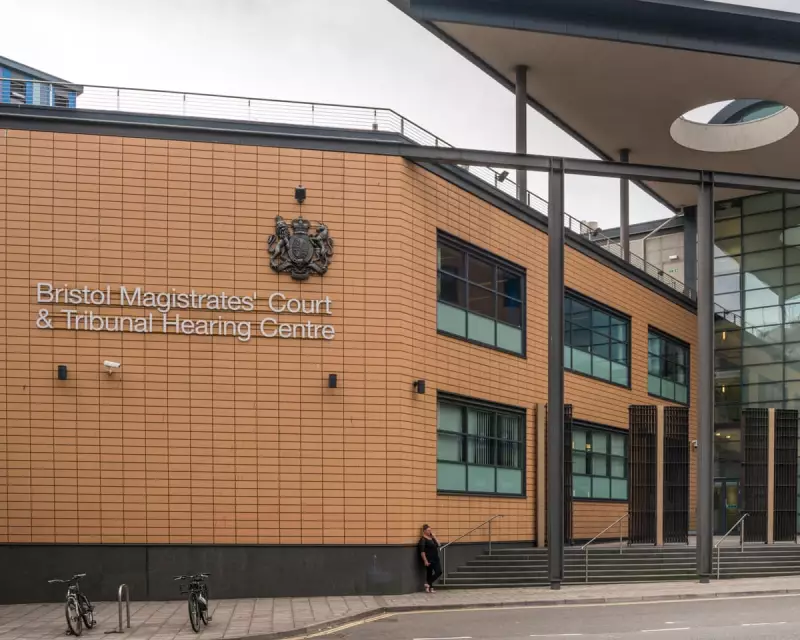
The government's controversial proposals to limit jury trials in England and Wales are facing a significant and potentially insurmountable hurdle: a severe shortage of magistrates. Legal experts warn that plans for new 'swift courts' and expanded sentencing powers for magistrates cannot function without a 'gargantuan' increase in volunteer justices, which recent recruitment drives have failed to deliver.
The Recruitment Crisis Undermining Reform
At the heart of the problem is a stark recruitment shortfall. In January 2022, the Ministry of Justice launched a £1 million campaign aiming to recruit 4,000 new magistrates. However, by April 2024, only 2,008 had been appointed. The success rate for applicants in the year ending March 2025 stood at a mere 22%, highlighting the difficulty in attracting suitable volunteers given the high commitment and stringent criteria required.
Retired barrister Janet Carter points out that the magistracy, described as "the linchpin of our criminal justice system," is already stretched. The proposed reforms would place an even greater burden on it. One key proposal is to extend magistrates' sentencing powers from the current maximum to up to 18 months and remove the right to a jury trial for offences within that bracket, keeping such cases in magistrates' courts.

Last year, 47% of custodial sentences (23,059 cases) imposed in the crown court were for 18 months or less. This statistic indicates the massive potential increase in workload that would remain with the magistracy if the change proceeds.
Questioning the Canadian Comparison and Practical Solutions
The government has cited Canada's judge-only trial system as a model for reducing backlogs. However, this comparison has been sharply criticised. Kirsty Brimelow KC, Chair of the Bar Council, notes that Canada also has strict time limits for cases to be heard, and its backlog reduction cannot be solely attributed to judge-only trials. She also highlights Lord Chancellor David Lammy's own previous finding in the Lammy Review that juries are a success story, showing no disparity in verdicts for defendants from different ethnic backgrounds.
Barrister Paul Keleher KC argues that Lammy's proposals are fundamentally different from the Canadian system, where defendants retain an absolute right to elect a jury trial. He also points out that Canada abolished its own lay magistrates in the 1980s over reliability concerns—the very group Lammy now wishes to empower.
Faced with the recruitment crisis, Janet Carter proposes a pragmatic solution: creating a "trial only" panel within the magistracy. This would involve faster recruitment, shorter training, and more flexible sitting requirements for new volunteers, who would sit alongside a fully trained presiding justice, with a right of appeal. This, she argues, could attract a wider cross-section of the community.
Broader Systemic Issues Ignored
Critics argue that the focus on jury trials—which constitute only about 2% of cases—and establishing a new court structure is draining resources from addressing more immediate, practical problems causing delays. Brimelow KC notes that on 13 January, 11% of courtrooms in England and Wales were vacant. Persistent issues with the Prisoner Escort and Custody Services (PECS) delivering defendants late, insufficient court staff, and a lack of barristers due to unimplemented legal aid increases continue to cripple the system.
Addressing these fundamental operational failures, experts contend, would do more to reduce the backlog by 2026 than dismantling the jury trial system. The Bar Council has stated it stands firm in protecting the jury trial, which it sees as reflecting the legal history, tradition, and culture of England and Wales, from what it deems "unnecessary erosion."