In the wake of a dramatic military operation that saw US forces capture Venezuelan President Nicolás Maduro, a fascinating rift has emerged within the conservative media landscape traditionally allied with Donald Trump. Many prominent voices who once championed an "America First" doctrine of non-intervention are now rallying behind the President's decisive action.
From Isolationist Pledges to Cheering Intervention
Following his election victory in November 2024, President Trump reiterated a familiar vow: "I'm not going to start a war. I'm going to stop wars." This pledge to disengage from foreign entanglements was a cornerstone of his "Make America Great Again" movement, fervently supported by his top allies in conservative media. The apparent contradiction posed by the invasion of Venezuela, an operation that resulted in dozens of casualties during the night-time abduction of Maduro and his wife, has prompted scrutiny.
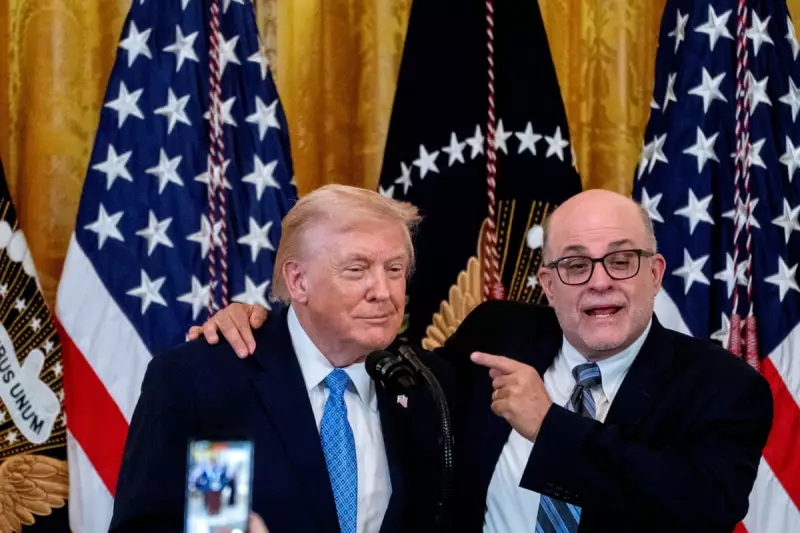
Yet, rather than widespread condemnation, Trump has received robust backing from most of his media defenders. Figures like radio and television host Mark Levin have not only supported the move but launched fierce attacks on its critics. On Sunday 15th December 2025, Levin labelled those questioning the incursion's legality, including Senator Bernie Sanders, as "pure evil," accusing them of defending totalitarian regimes.

Key Voices in the Pro-Trump Chorus
The supportive narrative has dominated key outlets. Fox News host Sean Hannity declared the world "a safer, freer place" because of the administration's actions, while Laura Ingraham described Maduro's capture as "quintessentially MAGA." Commentator Ben Shapiro praised the "gutsy" president for preserving national security, directly criticising the "so-called isolationist right"—a clear nod to voices like Tucker Carlson.
Carlson himself, however, expressed a more measured response. In a Monday streaming show, he voiced cautious optimism about Trump's decision to back Maduro's former vice-president, Delcy Rodríguez, to lead a transitional government. "That makes me calm down a bit," Carlson stated, emphasising a preference for influencing an existing government structure over total dismantlement, citing the disastrous examples of Iraq and Libya.
Dissenting Notes in the Conservative Chorus
Not all influential conservative voices have fallen seamlessly into line. Former Fox News host Megyn Kelly, while reaffirming her support for Trump, mocked the uncritical coverage on her old network, comparing it to "watching Russian propaganda." She urged caution, suggesting the action was more about global oil dominance than law enforcement.
Libertarian commentator Kat Timpf, a Fox News panelist, pointedly highlighted the inconsistency in Trump's stance. "Let me get this straight: we go to a country, we capture their leader, we bomb it... And that is not war," she questioned, adding, "It doesn't make any sense." She later reported receiving "very brutal personal attacks" for her scepticism.
Meanwhile, media personality Candace Owens launched a fierce critique, calling the operation a CIA-led "hostile takeover" and linking it to what she termed globalist and Zionist interests. The editorial boards of Murdoch-owned papers were also divided; the New York Post praised the "stunningly successful" Operation Absolute Resolve, while the Wall Street Journal expressed scepticism about the long-term viability of the plan and Trump's mercenary-focused rhetoric on Venezuelan oil.
As former Republican congressman Joe Walsh observed, the dynamic is clear: "To be in rightwing media... you either get on the train, or you don't." With the majority of the audience supporting Trump's move, most media allies have chosen to stay aboard, marking a significant evolution in the MAGA movement's approach to American power projection abroad.