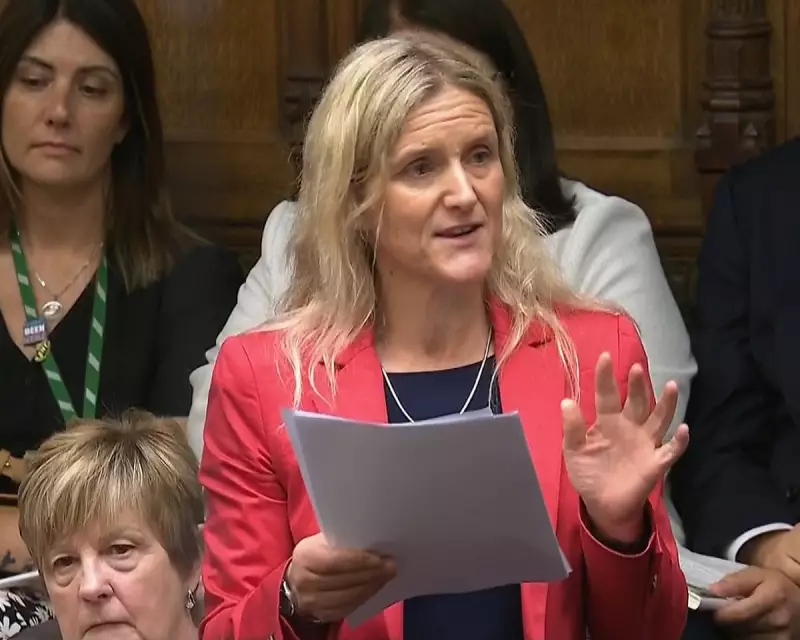
A crucial piece of legislation that would allow terminally ill adults in England and Wales to request assistance to end their lives is facing unprecedented obstruction in the House of Lords. The private member's bill, introduced by Labour MP Kim Leadbeater, passed its third reading in the House of Commons in June this year but is now being subjected to what supporters call a wrecking operation by a minority of peers.
A Barrage of Amendments
Peers have tabled a staggering over 1,000 amendments to the bill, a move that leading campaigners argue is designed to paralyse the process rather than provide effective scrutiny. In a letter to the Guardian, Dr Jacky Davis, Chair of Healthcare Professionals for Assisted Dying, highlighted the absurdity of some proposals. One amendment, numbered 458, would require every dying person, including a 90-year-old with advanced cancer, to provide a negative pregnancy test before their request could be approved.
"I am sure there are many peers who want to scrutinise the bill in a sensible way," wrote Dr Davis, "but they are being thwarted by a handful who seem intent on stopping law change at any cost." She described the current draft, which was amended and approved by MPs, as safer than any other assisted dying law in the world, with robust protections for healthcare professionals who conscientiously object.

The Core of the Debate
The bill, as it stands, would permit assisted dying for terminally ill adults who are mentally competent and have been diagnosed with less than six months to live. However, this very limitation has become a focal point of criticism from some supporters of reform. Former appeal court judge Stephen Sedley argued in a separate letter that this arbitrary timeframe is a flawed compromise that gives "doctrinal opponents a field day."
Sedley contends that the legislation fails people like Tony Nicklinson, who was left paralysed by a stroke and fought a legal battle for the right to die, a plea ultimately denied by the Supreme Court in 2014. He calls for the government to promote a new bill that drops the six-month prognosis and helps patients facing "indefinite and unbearable pain or distress."
A Democratic Impasse
The situation has ignited a fierce debate about the role of the unelected Lords in blocking legislation passed by the democratically elected Commons. Dr Davis drew a "sad parallel" between peers who "think they know better" and some in the medical profession who seek to dictate end-of-life choices. The logjam means that terminally ill people across the UK continue to be denied the choice that is available in jurisdictions like Oregon, Canada, and several Australian states.
With the bill's progress now critically delayed, pressure is mounting on Parliament to resolve the impasse. Campaigners insist that the current model offers strict safeguards while providing compassion and autonomy at the end of life, urging the Lords to allow a final vote on the substantive legislation.