Londoners Demand Police Treat Crime as Illegal Amid Rising Theft Epidemic
For years, Londoners have been told by Mayor Sadiq Khan to ignore the reality unfolding before their eyes. Now, his announcement of a major crackdown on phone theft represents a tacit admission that the capital has become less safe than it should be. This shift comes after prolonged denials that London was experiencing a significant crime wave.
The Scale of London's Theft Crisis
Professional, international crime gangs have systematically targeted London, creating what many describe as the worst theft epidemic on record. Statistics reveal the alarming scope of the problem:
- A mobile phone is stolen somewhere in London every five minutes
- 260 shoplifting cases are reported daily across the capital
- Less than one percent of theft cases result in a suspect being identified
- More than 90 percent of reported shoplifting incidents do not lead to charges
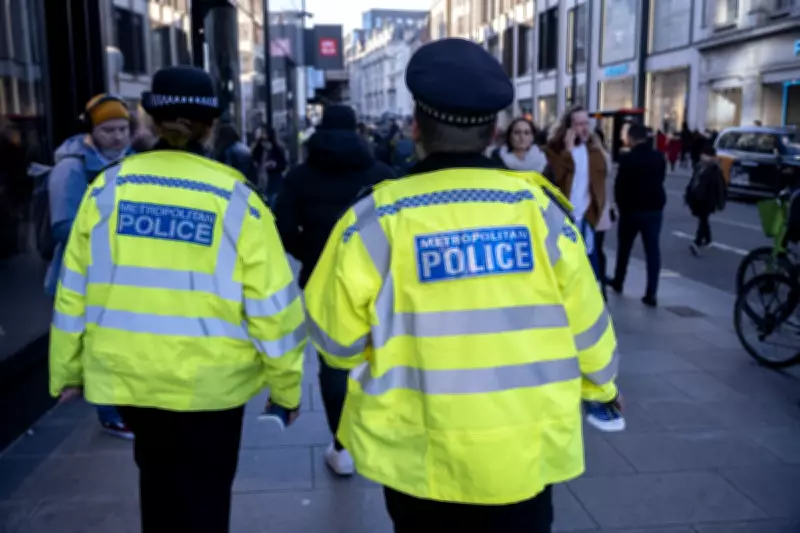
The Metropolitan Police have effectively created a situation where theft carries minimal consequences, with most cases receiving no police response whatsoever. This approach has normalized criminal behavior and shattered public confidence in law enforcement.

Public Experience Versus Official Denial
Ordinary Londoners experience this crisis daily. Commuters have phones ripped from their hands during morning journeys. Shop owners watch thieves brazenly fill bags with merchandise, knowing police intervention is unlikely. School children organize walking groups, alter their routes, and maintain tight grips on their belongings as protective measures.
Despite these realities, Mayor Khan and Metropolitan Police Chief Mark Rowley recently embarked on a media campaign dismissing critics. They accused those highlighting London's crime problems of "painting a dystopian picture of a lawless place where criminals run rampant" and spreading "an endless stream of distortions and untruths."
The New Crackdown and Its Implications
The recently announced "Command Cell" represents a significant policy shift. This specialized unit will target organized networks behind phone theft, while additional funding aims to shut down shops trading in stolen devices. This initiative acknowledges that previous approaches have been insufficient.
While additional resources and specialized task forces won't solve London's crime problems overnight, they signal that City Hall may finally be prepared to confront reality rather than continue denying evident facts. The critical question remains whether this represents the beginning of genuine enforcement or merely another announcement designed to placate growing public anger.
What Genuine Crime Reduction Requires
If Mayor Khan is truly serious about addressing London's crime epidemic, the Metropolitan Police must dismantle the entire ecosystem that makes criminal activity profitable. This requires:
- Targeting professional criminals responsible for approximately half of London's crime
- Disrupting international networks smuggling stolen devices abroad
- Closing shops that knowingly resell shoplifted merchandise
Historical evidence demonstrates that concentrated action against repeat offenders significantly reduces crime rates. The approach is straightforward: make crime unprofitable through consistent enforcement and meaningful consequences.
The Basic Right to Safety
Londoners aren't asking for extraordinary measures or impossible solutions. They seek the fundamental right to navigate their city without becoming victims. They want safe streets and law enforcement that treats criminal activity as illegal rather than inconvenient.
Public confidence in the Metropolitan Police has deteriorated dramatically, with approximately two-thirds of Londoners reporting they don't trust the force. This erosion stems from the perception that authorities have surrendered public spaces to criminals who operate with near-total impunity.
The test for City Hall and police leadership will be whether today's announcement marks the beginning of substantive change or merely represents another public relations exercise. Londoners have endured enough platitudes and dismissals of their lived experiences. What they demand now is concrete action that restores basic safety to their communities.