London Police Stop Data Reveals Stark Racial Disparities in Wealthy Areas
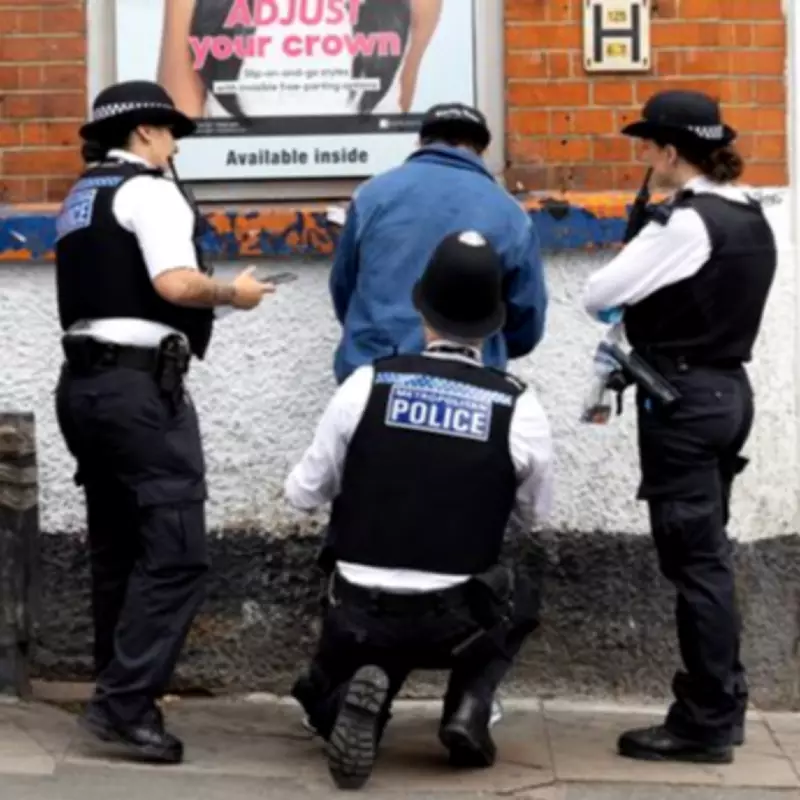
Black individuals face dramatically higher rates of police stops in London's wealthier neighborhoods, with new research showing they are up to forty-eight times more likely to be stopped and searched than white residents in certain areas. A comprehensive analysis of Metropolitan Police records from 2023, covering over 152,000 stop incidents, has uncovered significant racial disproportionality that extends beyond simple frequency to include the quality of justification provided for searches.
Grounds for Search Show Concerning Patterns
The research conducted by King's College London reveals that police officers frequently provide more vague and less specific grounds when stopping black individuals compared to white individuals. This finding suggests potential procedural inconsistencies that may contribute to the broader pattern of disproportionate policing. The data indicates that these disparities are not merely statistical anomalies but reflect systematic differences in how stop and search powers are applied across different racial groups.
Affluent Areas Show Most Extreme Disparities
The three London ward areas with the highest levels of disproportionality were all affluent neighborhoods. In East Sheen, located within the Richmond borough, black people were forty-eight times more likely to be searched than white residents. Dulwich Village showed a rate forty times higher for black individuals, while Hampstead Town recorded a figure thirty-eight times higher. These findings challenge assumptions that racial disparities in policing are confined to economically disadvantaged areas.

Broader London and National Context
Across London overall, black residents were 3.4 times more likely than white residents to be stopped and searched by police during February of this year. This figure, while significant, represents a lower disproportionality rate than the national average of four times. The research provides crucial context for understanding how local policing practices may differ from broader national trends, particularly in specific geographic areas within the capital.
Academic Analysis and Police Response
Dr. Yijing Li from King's College London emphasized the importance of the findings, stating: "Our modeling revealed clear evidence of unexplained disproportionality in how stop and search powers are used across London. These data-driven insights provide a robust evidence base to support fairer, more effective policing in London, and aim to help rebuild trust between communities and law enforcement."
The research comes amid ongoing scrutiny of police practices, with London Mayor Sadiq Khan responding to the findings by announcing new accountability measures. "This major new research shows significant and unacceptable levels of disproportionality that we must act on," Khan stated. "That's why I am introducing a mandatory annual report of how stop and search is being used in London. The use of stop and search must be more transparent and accountable to deliver a safer and fairer London for all."
Stop and Search Outcomes and Weapon Recovery
The research also examined outcomes from police stops, revealing that approximately two-thirds of all stop and search incidents in London end with no further action taken. Only 17.4 percent lead to an arrest, raising questions about the effectiveness of current practices. In 2025, Metropolitan Police officers conducted 149,299 searches, with 19,054 specifically targeting weapons. During these operations, 3,748 weapons were recovered, with roughly half discovered during weapon-specific searches and half found during stops for other suspected offenses such as drug possession or stolen property.
Mayor Khan acknowledged the complex role of stop and search in policing, noting: "Stop and search is a vital policing tool. Done well, it stops those intent on causing harm and fear in our communities and takes dangerous weapons and drugs off our streets and ultimately saves lives. But when done badly and unfairly, it harms community confidence and trust and damages the partnership and community relationships so important to policing by consent and keeping Londoners safe."

The findings present both challenges and opportunities for police reform, highlighting the need for data-driven approaches to address racial disparities while maintaining effective law enforcement strategies. As London continues to grapple with issues of public safety and community trust, this research provides valuable evidence for policymakers seeking to balance these competing priorities.