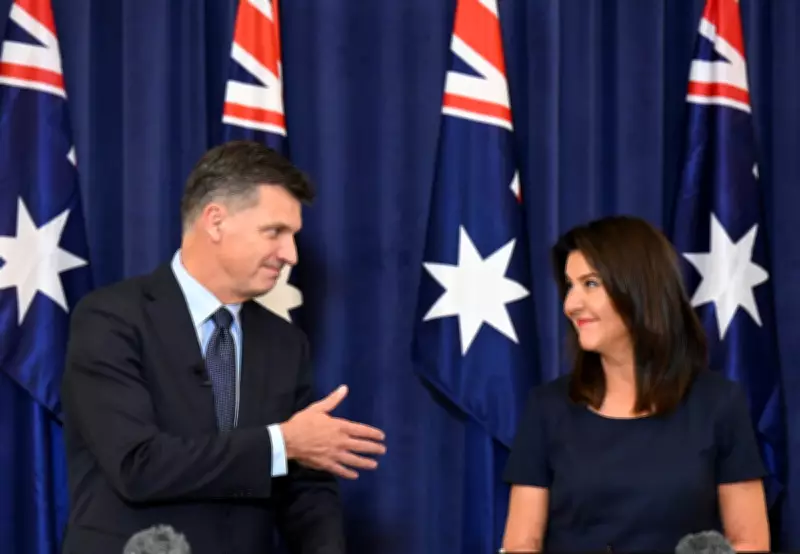
The Liberal Party, under leader Angus Taylor and deputy Jane Hume, faces a critical juncture as it adopts Trump-style politics to regain power, but this strategy is proving ineffective in urban Australia. According to analysis by Zoe Daniel, the opposition has offered "nothing bold nor hopeful to inspire the younger voters who are looking for it." This approach risks alienating the very demographics the party needs to win back.
Echo Chamber Politics and Rightward Shift
Veteran Liberal strategist Tony Barry warns that the party is "chasing the noise," leaning further to the right with nationalism, protectionism, and populism reminiscent of Trump and Farage. This shift is drenched in xenophobia and division, representing political selfishness aimed at saving the party's skin by fomenting outrage, to the detriment of Australia's multicultural society.
The Coalition's alignment with One Nation, including preference deals and Senate votes under Morrison and Dutton, shows a creeping erosion of values. While less overt than in the northern hemisphere, this strategy mirrors Scott Morrison's 2022 and Peter Dutton's 2025 election plans, targeting rural and fringe areas affected by trade and immigration.

Urban Disconnect and Alienation
However, this flyover state rhetoric, which resonates in America's heartland and Queensland, falls flat in Australia's culturally rich coastal cities. Targeting voters drifting to One Nation further alienates urban seats, especially amid Pauline Hanson's attacks on Muslim Australians. The Liberals' failure to distance themselves from such rhetoric, as seen in Taylor's immigration dog-whistling, undermines their credibility.
To survive, Barry emphasizes the need for bold policy and economic hope. Yet, the Coalition offers little: no credible climate change plan, with Taylor rejecting Labor's net zero ideology; no housing supply initiatives; and no focus on women's empowerment, government integrity, health, education, or technology.
Policy Vacuum and Economic Missteps
Shadow treasurer Tim Wilson's backtracking on tax reform for investment property, which could help younger voters own homes, exemplifies this void. With real wages declining, Wilson's suggestion that the Reserve Bank prioritize inflation over employment, endorsing interest rate rises, adds to cost-of-living pressures for struggling households.
Charlotte Mortlock, founder of Hilma's Network, resigned from the Liberal Party, accusing it of being "algorithmed"—creating policy for a social media-driven virtual reality. This echo chamber is fueled by groups like Advance, which amplifies anti-immigration content to stir resentment.
Call for Fairness and Intergenerational Equity
The Coalition's focus on Australian values, akin to American patriotism, misses the core value of fairness. Initiatives like universal early childhood education and tax reform for housing are geared toward intergenerational equity, where bold policy hope must emerge. As Zoe Daniel notes, a "fair go" for migrants, women, children, and young people is essential for economic participation and progress.
In summary, the Liberal Party's embrace of divisive populism fails to address the needs of young urban voters, leaving a policy vacuum that threatens its relevance in Australia's evolving political landscape.